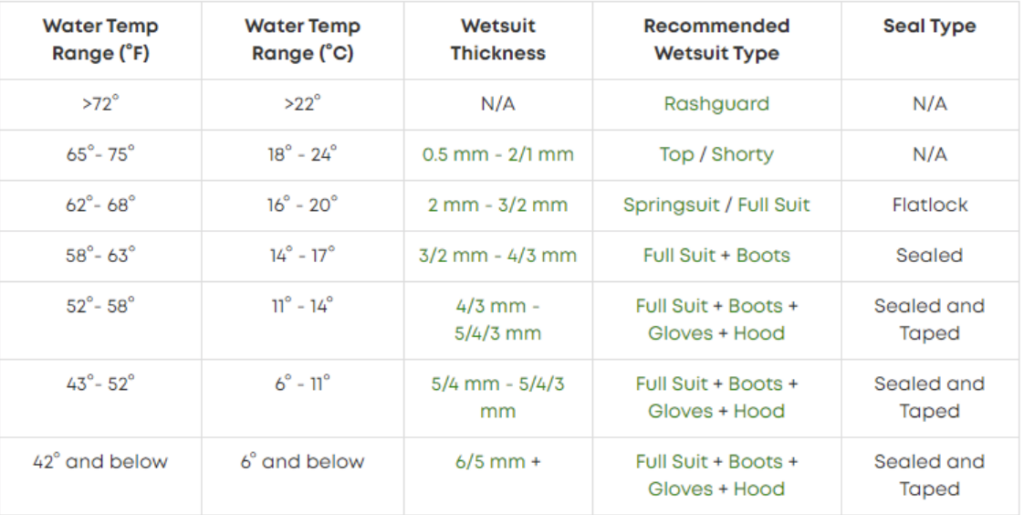
Wetsuit Water Temperature Chart
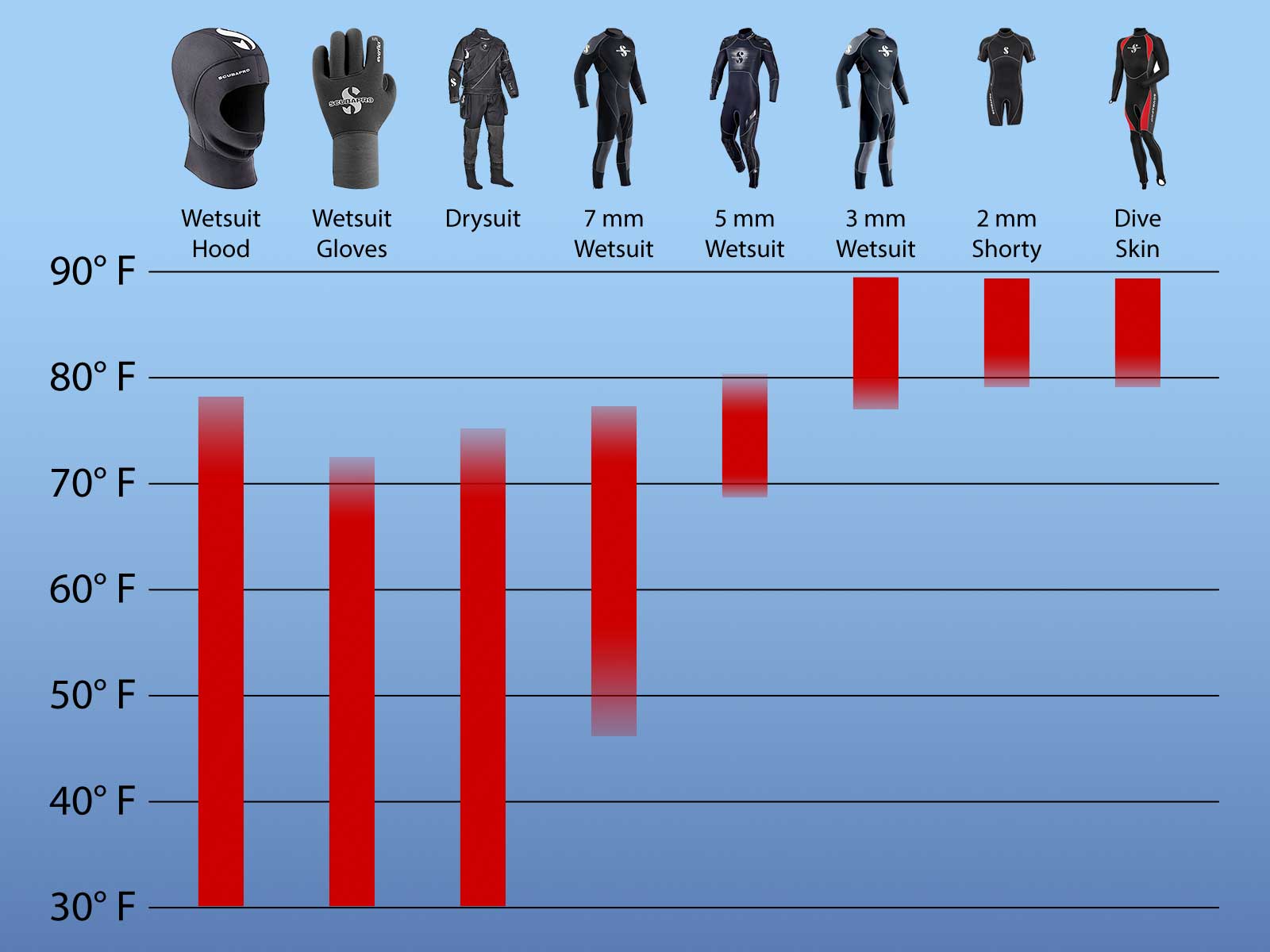
Wetsuit Water Temperature Chart - Wetsuit thickness is crucial for thermal insulation. Web wetsuits range from about 0.5mm to 8mm in thickness. The colder the water, the more neoprene you need. Optimal thickness and wetsuit type can shift in many regions based on the season. Web here’s a wetsuit temp guide to help you choose the perfect wetsuit to match various water temperatures: Web siesta sea temperatures peak in the range 29 to 31°c (84 to 88°f) on around the 19th of august and are at their minimum on about the 10th of february, in the range 18 to 22°c (64 to 72°f). Year round warm sea temperatures at siesta climb to their warmest in the third week of august. Web here's a quick chart that will help you find the right wetsuit thickness (density in millimeters) for your average local water temperatures (in celsius and fahrenheit): In general, the colder the water, the thicker the wetsuit should be. Web the neoprene wetsuit must ensure low thermal flow from the “warm” diver body (>35 °c to avoid any hypothermia) to the external “cold” water, particularly at the highest recreational sea water depths (50 m below sea level and a water pressure of 6 × 10⁵pa) and lowest water temperatures (~10 °c in salt or fresh waters). Water temperature (°f/°c) wetsuit thickness (mm) Web the temperature of the water around you will determine what wetsuit you will need for diving and how thick it will need to be. In general, the colder the water, the thicker the wetsuit should be. What thickness wetsuit will i need? Bathing suit, rashguard, or uv protective dive skin; Year round warm sea temperatures at cocoa beach pier climb to their highest in the fourth week of july. Being aware of these factors will aid you in selecting the appropriate wetsuit thickness. Range of water temperature in °fahrenheit (°celcius) It's a popular question we get on our surf forum, so here's an article in an attempt to answer this. Web sea temperature charts. The key to staying warm in the water is selecting a wetsuit suitable for that specific temperature range. Bathing suit, rashguard, or uv protective dive skin; But of course, you can also choose the right wetsuit thickness by looking at the water temperature alone. Web siesta sea temperatures peak in the range 29 to 31°c (84 to 88°f) on around. This temperature depends on the location of your dive as well as the time of year. It's a popular question we get on our surf forum, so here's an article in an attempt to answer this. Web sea temperature charts. Measured in millimeters, wetsuit thickness is represented with two or three numbers separated by slashes (for example 3/2mm). Wetsuits are. Web siesta sea temperatures peak in the range 29 to 31°c (84 to 88°f) on around the 19th of august and are at their minimum on about the 10th of february, in the range 18 to 22°c (64 to 72°f). Use the cold water chart provided above to find out your recommended cold water setup based on water temp. Web. Web our expert wetsuit thickness guide and temperature chart answers common questions around wetsuit types, temperatures and styles. Web this wetsuit water temperature guide will help you decipher the wetsuit thickness code and find the right water apparel according to your local water temperatures. Measured in millimeters, wetsuit thickness is represented with two or three numbers separated by slashes (for. It's a popular question we get on our surf forum, so here's an article in an attempt to answer this. Range of water temperature in °fahrenheit (°celcius) In general, the colder the water, the thicker the wetsuit should be. What thickness wetsuit will i need? Web the ncei coastal water temperature guide (cwtg) provides recent ocean and great lakes temperatures. For example, in warm water (70°f/21°c and above), a 2mm wetsuit may be sufficient. While thicker wetsuits tend to limit your motions, they’re much better at giving you warmth and protection. It's a popular question we get on our surf forum, so here's an article in an attempt to answer this. Generally, the colder the water you plan to dive. Web cocoa beach pier sea temperatures peak in the range 28 to 30°c (82 to 86°f) on around the 26th of july and are at their minimum on about the 10th of february, in the range 20 to 23°c (68 to 73°f). Web as outlined in the chart above, surfing wetsuit thicknesses range anywhere from 0.5mm in warm water up. Web the ideal wetsuit thickness depends on the water temperature. This temperature depends on the location of your dive as well as the time of year. Web the temperature of the water around you will determine what wetsuit you will need for diving and how thick it will need to be. While thicker wetsuits tend to limit your motions, they’re. Web in the following chart, you can determine the best wetsuit thickness for the corresponding water temperature: Measured in millimeters, wetsuit thickness is represented with two or three numbers separated by slashes (for example 3/2mm). Web the ideal thickness for a wetsuit depends on the water temperature and your personal tolerance for cold. By selecting the appropriate thickness, you can. Web siesta sea temperatures peak in the range 29 to 31°c (84 to 88°f) on around the 19th of august and are at their minimum on about the 10th of february, in the range 18 to 22°c (64 to 72°f). Use the cold water chart provided above to find out your recommended cold water setup based on water temp. Web. Web as outlined in the chart above, surfing wetsuit thicknesses range anywhere from 0.5mm in warm water up to 7mm in the coldest waters. Year round warm sea temperatures at cocoa beach pier climb to their highest in the fourth week of july. Web choose the right wetsuit for scuba diving based on water temperature: It's a popular question we get on our surf forum, so here's an article in an attempt to answer this. Web the first step to getting the correct cold water gear is to identify the temperature of the water where you are riding. Measured in millimeters, wetsuit thickness is represented with two or three numbers separated by slashes (for example 3/2mm). Range of water temperature in °fahrenheit (°celcius) Web in the following chart, you can determine the best wetsuit thickness for the corresponding water temperature: In cold water ( below 60°f/15°c), a 5mm or 7mm wetsuit may be necessary. Web our expert wetsuit thickness guide and temperature chart answers common questions around wetsuit types, temperatures and styles. Web wetsuits range from about 0.5mm to 8mm in thickness. The key to staying warm in the water is selecting a wetsuit suitable for that specific temperature range. Web siesta sea temperatures peak in the range 29 to 31°c (84 to 88°f) on around the 19th of august and are at their minimum on about the 10th of february, in the range 18 to 22°c (64 to 72°f). 2mm shorty wetsuit or 1mm full suit; The colder the water, the more neoprene you need. Web if you know the temperature of the ocean you swim or dive in, then picking a wetsuit may be as easy as taking a quick peek at the wetsuit temperature chart below.Wetsuit Thickness & Temperature Guide Custom Wetsuits Blog
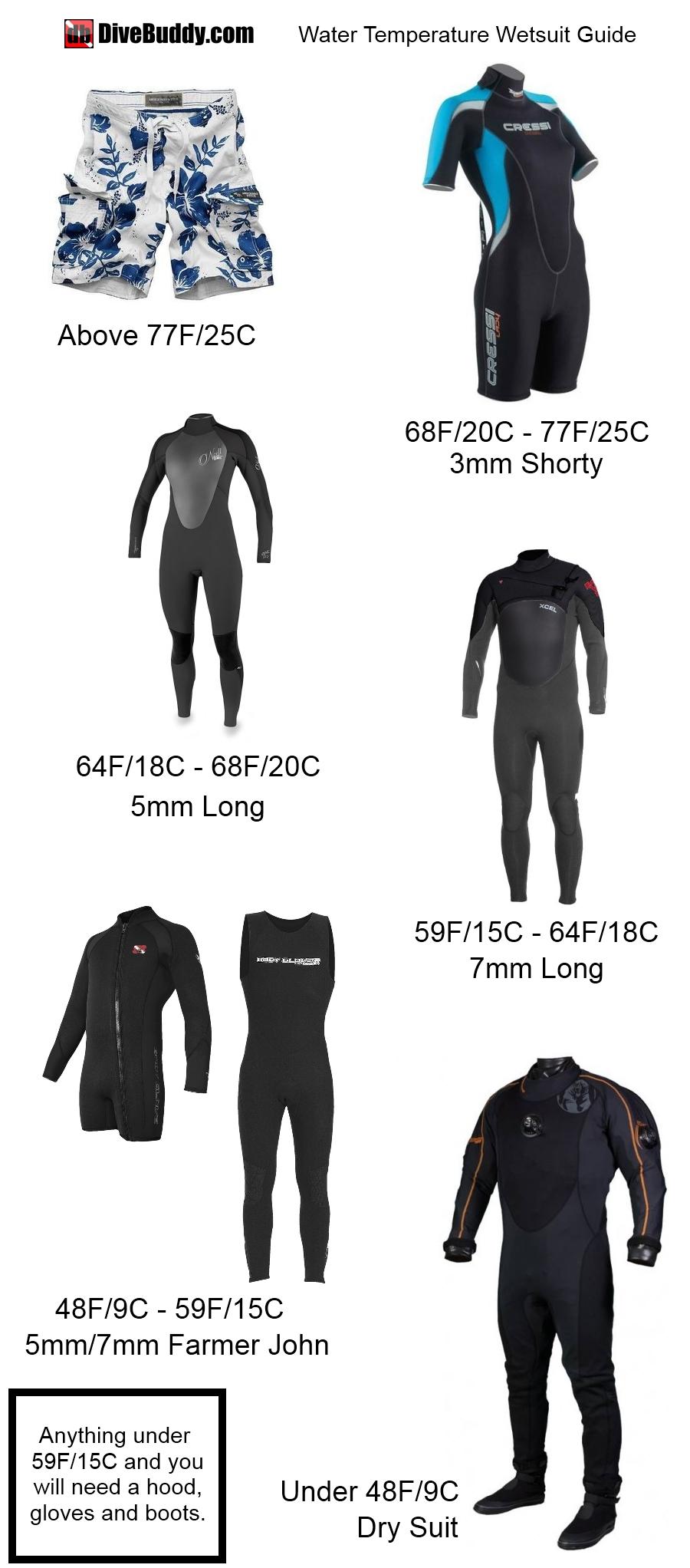
Water Temperature Wetsuit Guide for Scuba Divers

Wetsuit Temperature Guide Xcel Wetsuits

Wetsuit Temperature Guide Xcel Wetsuits
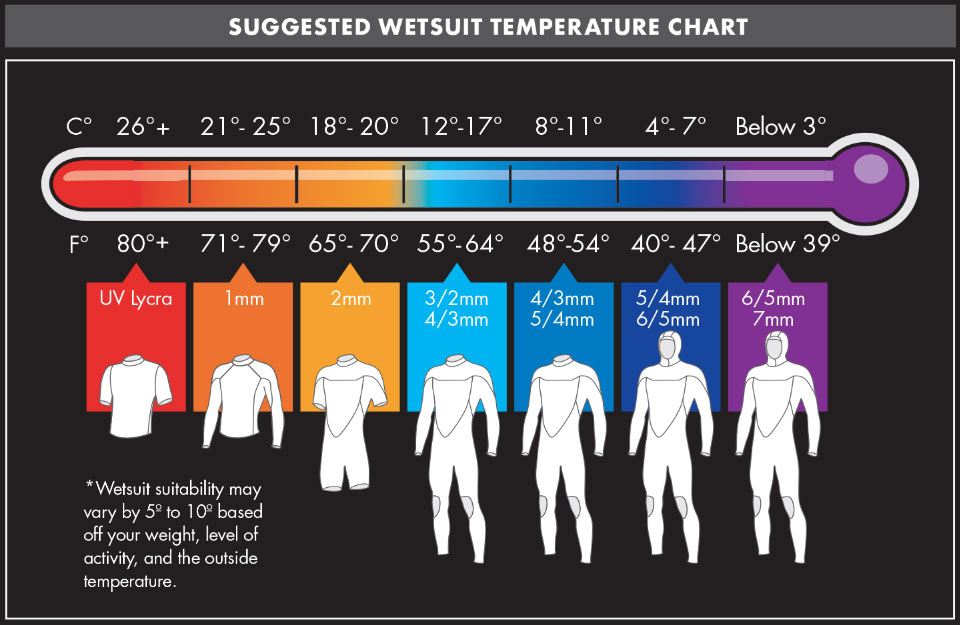
What is the temperature rating for wetsuits? O'Neill Help Center
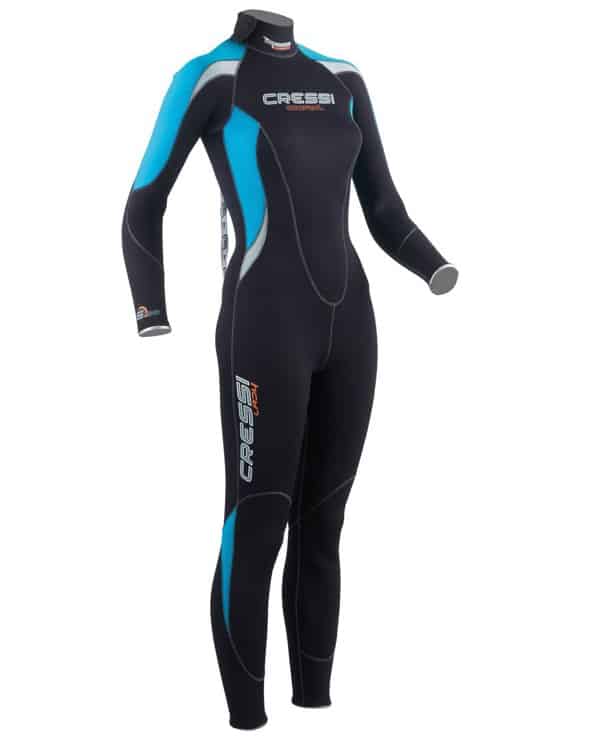
Wetsuit Water Temperature Chart and Guide for Divers 360Guide

Wetsuits FAQ O'Neill Wetsuits
Reef Tips Gear Guide Wetsuits Scuba Gear Canada

Wetsuit Water Temperature Chart and Guide for Divers 360Guide

Wetsuits Thickness Guide
For Example, In Warm Water (70°F/21°C And Above), A 2Mm Wetsuit May Be Sufficient.
Web Here's A Quick Chart That Will Help You Find The Right Wetsuit Thickness (Density In Millimeters) For Your Average Local Water Temperatures (In Celsius And Fahrenheit):
Web The Temperature Of The Water Around You Will Determine What Wetsuit You Will Need For Diving And How Thick It Will Need To Be.
Web Here’s A Wetsuit Temp Guide To Help You Choose The Perfect Wetsuit To Match Various Water Temperatures:
Related Post: