
Uneven Brake Pad Wear Chart
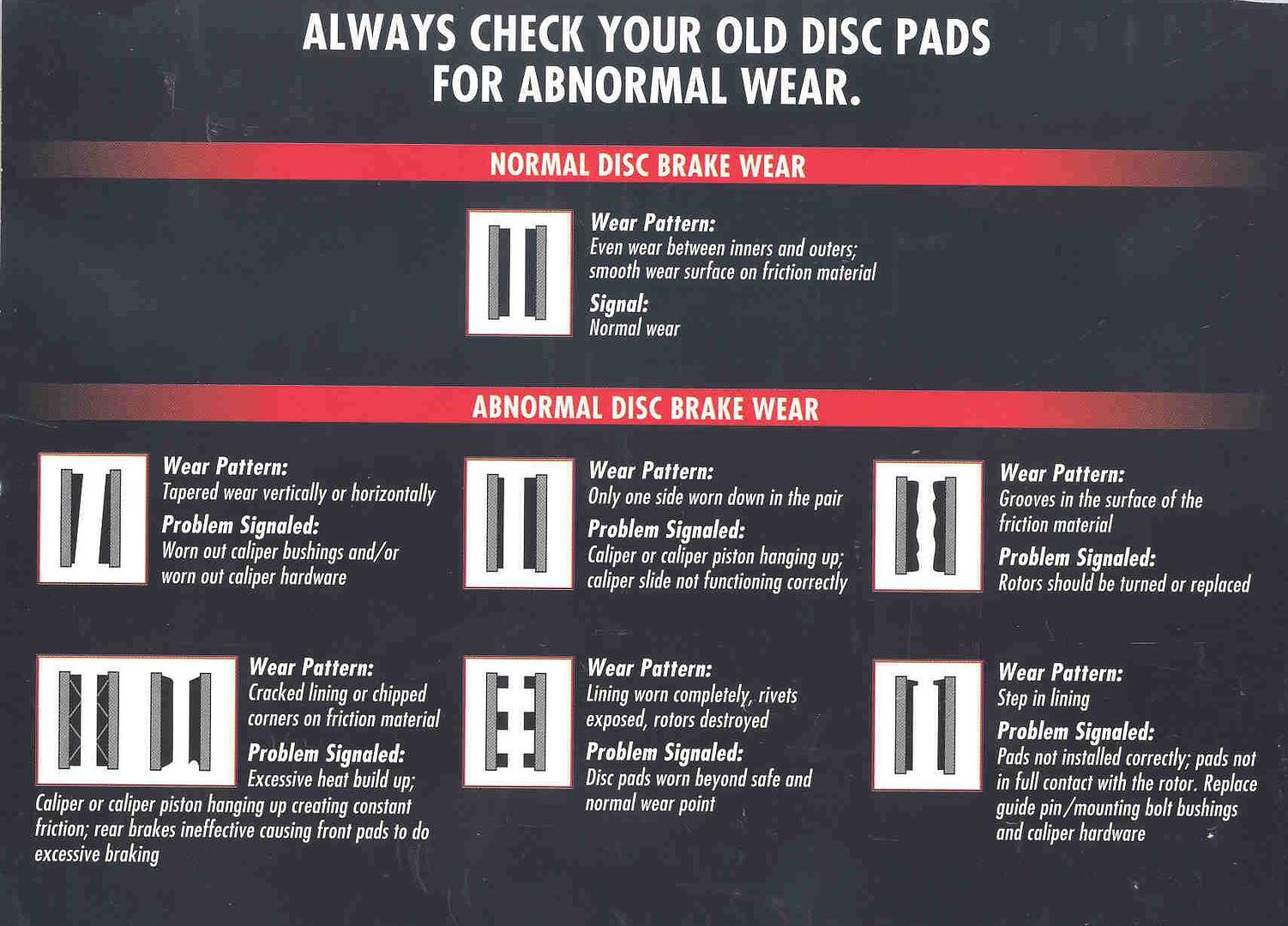
Uneven Brake Pad Wear Chart - Web brake pads wear unevenly for several reasons: Web there are four types of brake wear; When well aligned, the brake pad should squeeze evenly on the rotor. Learn the signs, inspection techniques, and maintenance tips to keep your vehicle's braking system in optimal condition and ensure safe and reliable stops. Web pad wear chart diagnosis caliper problems. This could manifest as uneven wear between the left and right sides of the vehicle, or between the front and rear brakes. Disc brakes consist of three primary components that work together to bring your vehicle to a stop: By understanding the signs and symptoms of uneven brake pad wear, drivers can take proactive measures to maintain their vehicle’s braking system and ensure optimal safety on the road. Inspect brake pad thickness and note wear patterns for diagnosis. The “soft pad” theory that has been around forever, doesn’t hold water. Web to diagnose uneven brake pad wear, inspect the pads for a wedge or taper. Defective mounting hardware or faulty installation may be the actual problem. Squeaky brakes can be an indicator of brake wear and indicate you may need a brake replacement. If you have questions about brake wear, use this handy brake pad replacement indicator chart to help identify disc brake problems and their causes, effects and solutions. Web brake pads that show uneven wear generally are out of alignment, and depending on the wear pattern this type of wear could mean a variety of things. Web uneven brake pad wear refers to a condition where the brake pads on a vehicle wear down at different rates. Web the brake pads may wear unevenly because of a stuck slide pin or stuck brake pads in the mounting bracket. This can indicate quality or installation issues. Address rotor thickness differences by machining or replacing discs. Web understanding the different types available, how to properly maintain them, and when to replace them is essential for every vehicle owner. The most common problem is uneven pad wear on floating brake caliper systems. Web there are four types of brake wear; Web if your brake pads, which work with the calipers to clamp onto the brake rotor, are thin or have uneven wear, you might not have your brake’s full stopping power when you need it. Find tips for maintaining. This can indicate quality or installation issues. Web check the brake pads for cracks, uneven wear, and misalignment while inspecting each unit. Web understanding the most common causes of uneven brake pad wear can help diagnose and address the issue promptly. Web uneven or premature pad wear is not the fault of the friction. Web chances are that your brake. The brake caliper houses a piston that pushes the pads against the rotor to slow or bring the vehicle to a stop when you depress the pedal. The critical role brake pads play in keeping your vehicle safe. Web if your brake pads, which work with the calipers to clamp onto the brake rotor, are thin or have uneven wear,. If you have questions about brake wear, use this handy brake pad replacement indicator chart to help identify disc brake problems and their causes, effects and solutions. Web if your brake pads, which work with the calipers to clamp onto the brake rotor, are thin or have uneven wear, you might not have your brake’s full stopping power when you. Web learn how to understand and interpret brake pad wear charts, identify different wear patterns, and determine when to replace your brake pads. Uneven or rapid pad wear blamed on defective caliper. Web the brake pads may wear unevenly because of a stuck slide pin or stuck brake pads in the mounting bracket. Defective mounting hardware or faulty installation may. Find tips for maintaining brake pads and choosing the best ones. Web brake pads that show uneven wear generally are out of alignment, and depending on the wear pattern this type of wear could mean a variety of things. Rotor damage that puts uneven pressure on the pads. Web uneven or premature pad wear is not the fault of the. The most common problem is uneven pad wear on floating brake caliper systems. Wheel misalignment can also lead to uneven wearing of the brake pad. Web in this article, we will explore the various causes of uneven brake pad wear and discuss how to check for it. Seized guide pins that do not allow the pads to retract. All vehicles. Checking brake pad wear should be part of. Learn the signs, inspection techniques, and maintenance tips to keep your vehicle's braking system in optimal condition and ensure safe and reliable stops. Before replacing a caliper use the wear guide charts below to help diagnose pad wear. Wheel misalignment can also lead to uneven wearing of the brake pad. A misaligned. The critical role brake pads play in keeping your vehicle safe. Squeaky brakes can be an indicator of brake wear and indicate you may need a brake replacement. Inspect brake pad thickness and note wear patterns for diagnosis. Even wear, inner wear, outer wear, and tapered wear. Web what you need to know. Web brake pads wear unevenly for several reasons: Web discover how to diagnose and address uneven brake wear effectively with this comprehensive guide. Learn the signs, inspection techniques, and maintenance tips to keep your vehicle's braking system in optimal condition and ensure safe and reliable stops. Web there are four types of brake wear; The brake caliper houses a piston. Web understanding the different types available, how to properly maintain them, and when to replace them is essential for every vehicle owner. Find tips for maintaining brake pads and choosing the best ones. This could manifest as uneven wear between the left and right sides of the vehicle, or between the front and rear brakes. Web learn how to understand and interpret brake pad wear charts, identify different wear patterns, and determine when to replace your brake pads. In this article, we’ll go over the top seven causes of uneven brake pad wear. It could also mean uneven wear on a single brake pad, with one edge wearing down faster than the other. It could also be due to bad brake pad quality, or a bad brake caliper piston, as well as rotor thickness variation. Problem with the master cylinder pumping fluid. Uneven or rapid pad wear blamed on defective caliper. Web chances are that your brake system may be suffering from uneven brake pad wear. Learn the signs, inspection techniques, and maintenance tips to keep your vehicle's braking system in optimal condition and ensure safe and reliable stops. This can indicate quality or installation issues. Web there are four types of brake wear; Regularly maintain caliper components to prevent uneven wear. Worn caliper bushings or defective mounting hardware. Caliper slides or mounting pins not functioning properly.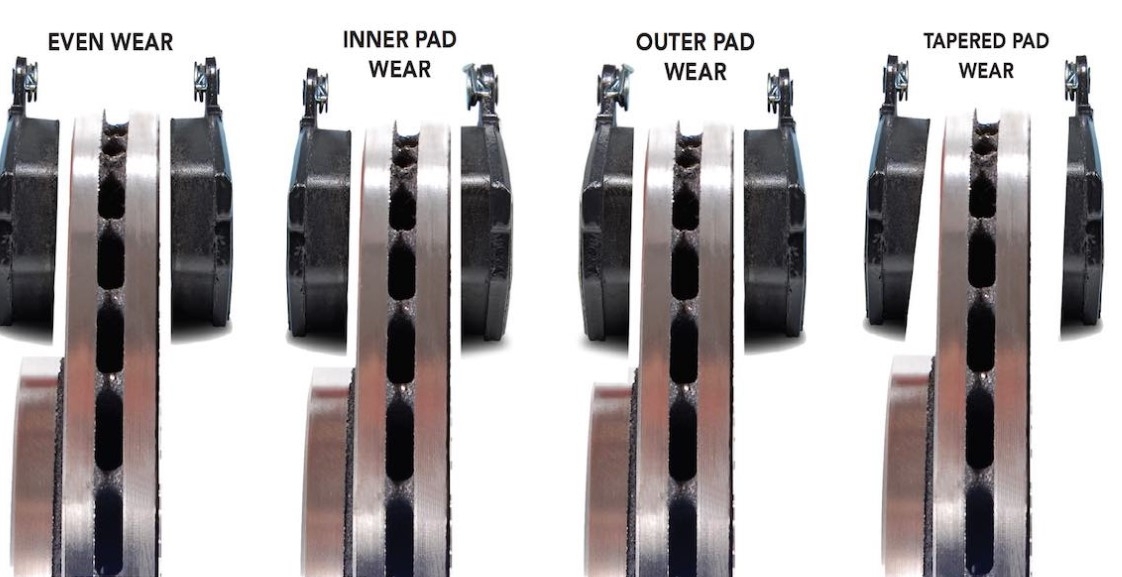
Codes P0826 and P1701, Grinding/rubbing Noise When Car Is Rolling

How to Detect Uneven Brake Pad Wear In The Garage with

FIXES FOR COMMON BRAKE PROBLEMS
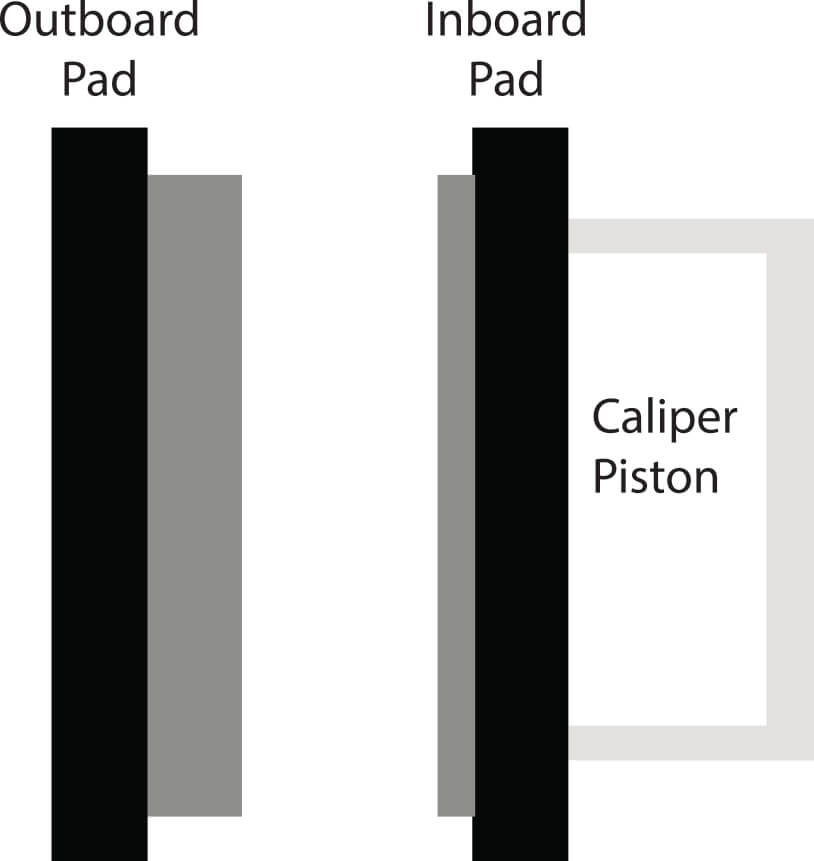
Understanding Uneven Brake Pad Wear Causes and Solutions — Ricks Free
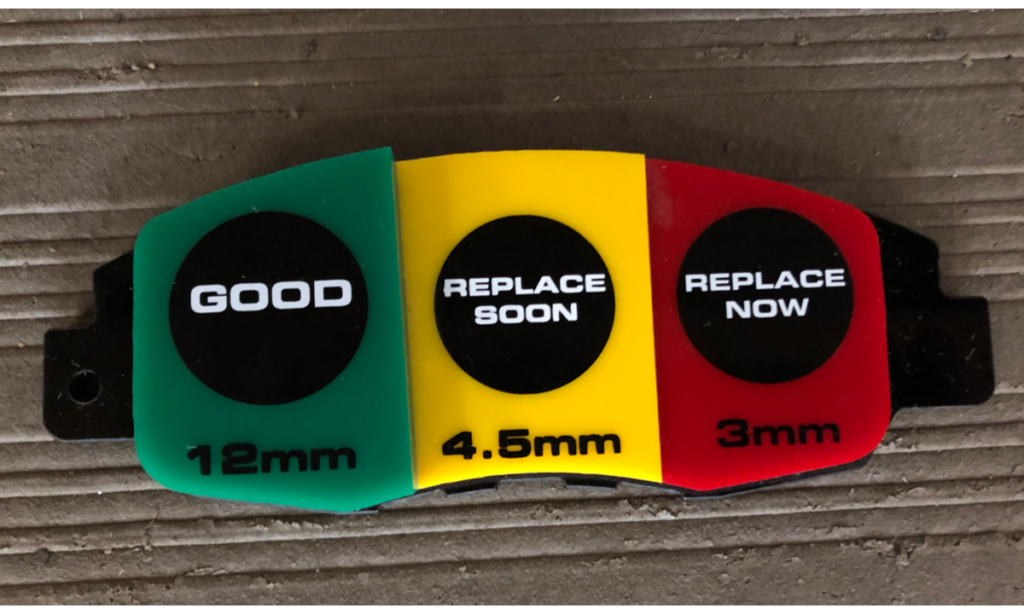
Brake Pad Wear Chart
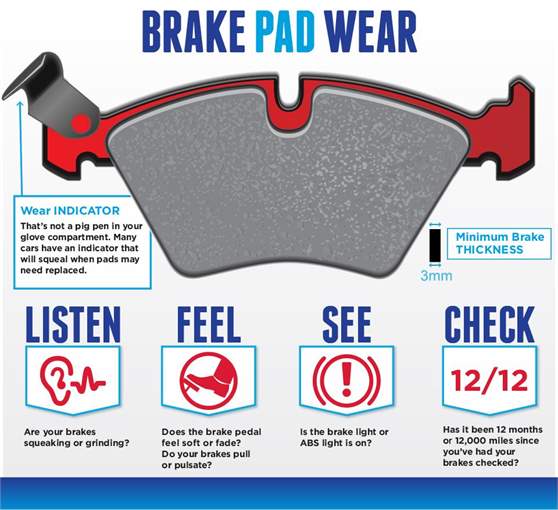
How To Tell If Car Brakes Are Worn Classic Car Walls

How to Detect Uneven Brake Pad Wear In The Garage with

Pad Wear Chart Helps Diagnose Caliper Problems 180005.pdfPad Wear

Uneven Brake Pad Wear Chart
Honda accord uneven brake pad wear
The Most Common Problem Is Uneven Pad Wear On Floating Brake Caliper Systems.
Web Check The Brake Pads For Cracks, Uneven Wear, And Misalignment While Inspecting Each Unit.
The “Soft Pad” Theory That Has Been Around Forever, Doesn’t Hold Water.
A Brake Line That Won’t Allow Fluid To Flow Back And Forth.
Related Post: