
Tooth Anatomy Chart
Tooth Anatomy Chart - Fully labeled illustrations of the teeth with dental terminology (orientation, surfaces, cusps, roots numbering systems) and detailed images of each permanent tooth. We use teeth to masticate (or chew) food into tiny pieces. Web the four main types of teeth are incisors, canines, premolars, and molars. They cut and crush foods, making them easier to swallow. Web adults have 12 permanent molars — six on the bottom and top jaw, and children have eight primary molars. Tooth avulsion and enamel erosion). Incisors, canines, premolars, and molars, which each have a specific function. Though they look more like bones, teeth are actually ectodermal organs. Web we’ll go over the anatomy of a tooth and the function of each part. We’ll also go over some common conditions that can affect your teeth, and we’ll list common symptoms to watch for. Web most adults have 32 permanent teeth, including eight incisors, four canines, eight premolars and 12 molars. Fully labeled illustrations of the teeth with dental terminology (orientation, surfaces, cusps, roots numbering systems) and detailed images of each permanent tooth. Web read the following article to find out more details about the two types of human teeth. They cut and crush foods, making them easier to swallow. Web adults have 12 permanent molars — six on the bottom and top jaw, and children have eight primary molars. Learn about the types of teeth in a fast and efficient way using our interactive tooth identification quizzes and labeled diagrams. Tooth avulsion and enamel erosion). A tooth can be divided into two main parts: Though they look more like bones, teeth are actually ectodermal organs. Teeth anatomy tooth structure the four groups of teeth are not identical, but they all share a typical and general tooth anatomy, as follows: Web adults have 12 permanent molars — six on the bottom and top jaw, and children have eight primary molars. Teeth anatomy tooth structure the four groups of teeth are not identical, but they all share a typical and general tooth anatomy, as follows: Web atlas of dental anatomy: They cut and crush foods, making them easier to swallow. We. Teeth anatomy tooth structure the four groups of teeth are not identical, but they all share a typical and general tooth anatomy, as follows: Web the teeth are a group of hard organs found in the oral cavity. They also provide shape to the mouth and face and are important components in producing speech. Web a comprehensive guide to teeth. They cut and crush foods, making them easier to swallow. Web humans have four types of teeth: Teeth anatomy tooth structure the four groups of teeth are not identical, but they all share a typical and general tooth anatomy, as follows: Incisors, canines, premolars, and molars, which each have a specific function. The incisors cut the food, the canines tear. The last molars to erupt are wisdom teeth, or third molars, which usually come. A tooth can be divided into two main parts: Web atlas of dental anatomy: Tooth avulsion and enamel erosion). Web a comprehensive guide to teeth including types of teeth, tooth anatomy, tooth surface terminology and clinical relevance (e.g. Web the four main types of teeth are incisors, canines, premolars, and molars. Web humans have four types of teeth: Fully labeled illustrations of the teeth with dental terminology (orientation, surfaces, cusps, roots numbering systems) and detailed images of each permanent tooth. Web the teeth are divided into four quadrants within the mouth, with the division occurring between the upper. Web a comprehensive guide to teeth including types of teeth, tooth anatomy, tooth surface terminology and clinical relevance (e.g. The last molars to erupt are wisdom teeth, or third molars, which usually come. Use our diagram to learn more about teeth numbers and placement. Web humans have four types of teeth: We use teeth to masticate (or chew) food into. The incisors cut the food, the canines tear the food and the molars and premolars crush the food. They also provide shape to the mouth and face and are important components in producing speech. Learn about the types of teeth in a fast and efficient way using our interactive tooth identification quizzes and labeled diagrams. Web read the following article. Fully labeled illustrations of the teeth with dental terminology (orientation, surfaces, cusps, roots numbering systems) and detailed images of each permanent tooth. They also provide shape to the mouth and face and are important components in producing speech. Web the teeth are divided into four quadrants within the mouth, with the division occurring between the upper and lower jaws horizontally. Web read the following article to find out more details about the two types of human teeth. The roots of teeth are embedded in the maxilla (upper jaw) or the mandible (lower jaw) and are covered by gums. Fully labeled illustrations of the teeth with dental terminology (orientation, surfaces, cusps, roots numbering systems) and detailed images of each permanent tooth.. Web adults have 12 permanent molars — six on the bottom and top jaw, and children have eight primary molars. Though they look more like bones, teeth are actually ectodermal organs. Web most adults have 32 permanent teeth, including eight incisors, four canines, eight premolars and 12 molars. Web we’ll go over the anatomy of a tooth and the function. Learn about the types of teeth in a fast and efficient way using our interactive tooth identification quizzes and labeled diagrams. Web a comprehensive guide to teeth including types of teeth, tooth anatomy, tooth surface terminology and clinical relevance (e.g. Web atlas of dental anatomy: Teeth anatomy tooth structure the four groups of teeth are not identical, but they all share a typical and general tooth anatomy, as follows: A tooth can be divided into two main parts: The incisors cut the food, the canines tear the food and the molars and premolars crush the food. They also provide shape to the mouth and face and are important components in producing speech. Web humans have four types of teeth: Web the teeth are a group of hard organs found in the oral cavity. The last molars to erupt are wisdom teeth, or third molars, which usually come. We use teeth to masticate (or chew) food into tiny pieces. Web we’ll go over the anatomy of a tooth and the function of each part. Tooth avulsion and enamel erosion). Web the four main types of teeth are incisors, canines, premolars, and molars. The roots of teeth are embedded in the maxilla (upper jaw) or the mandible (lower jaw) and are covered by gums. Incisors, canines, premolars, and molars, which each have a specific function.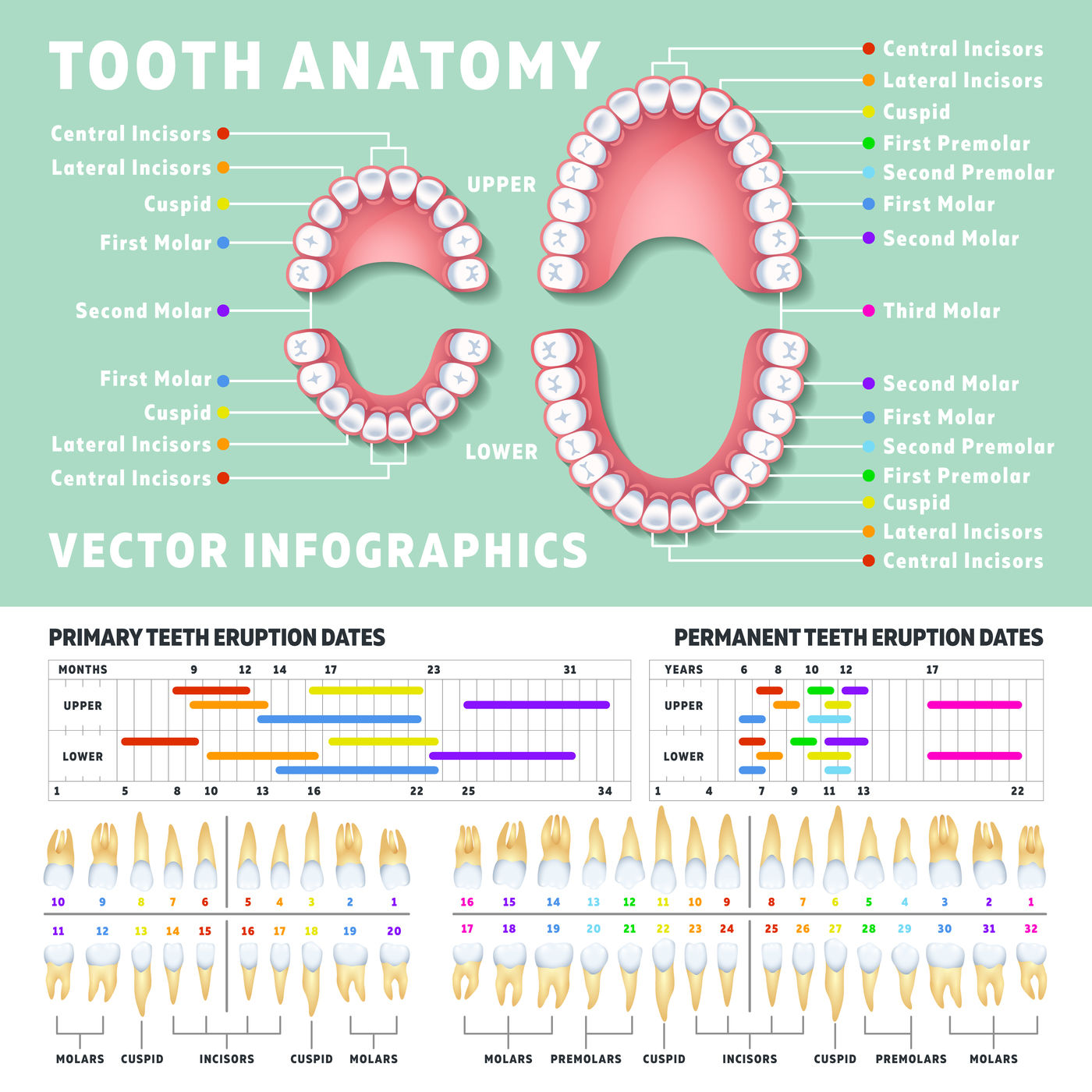
Orthodontist human tooth anatomy vector infographics with teeth diagra
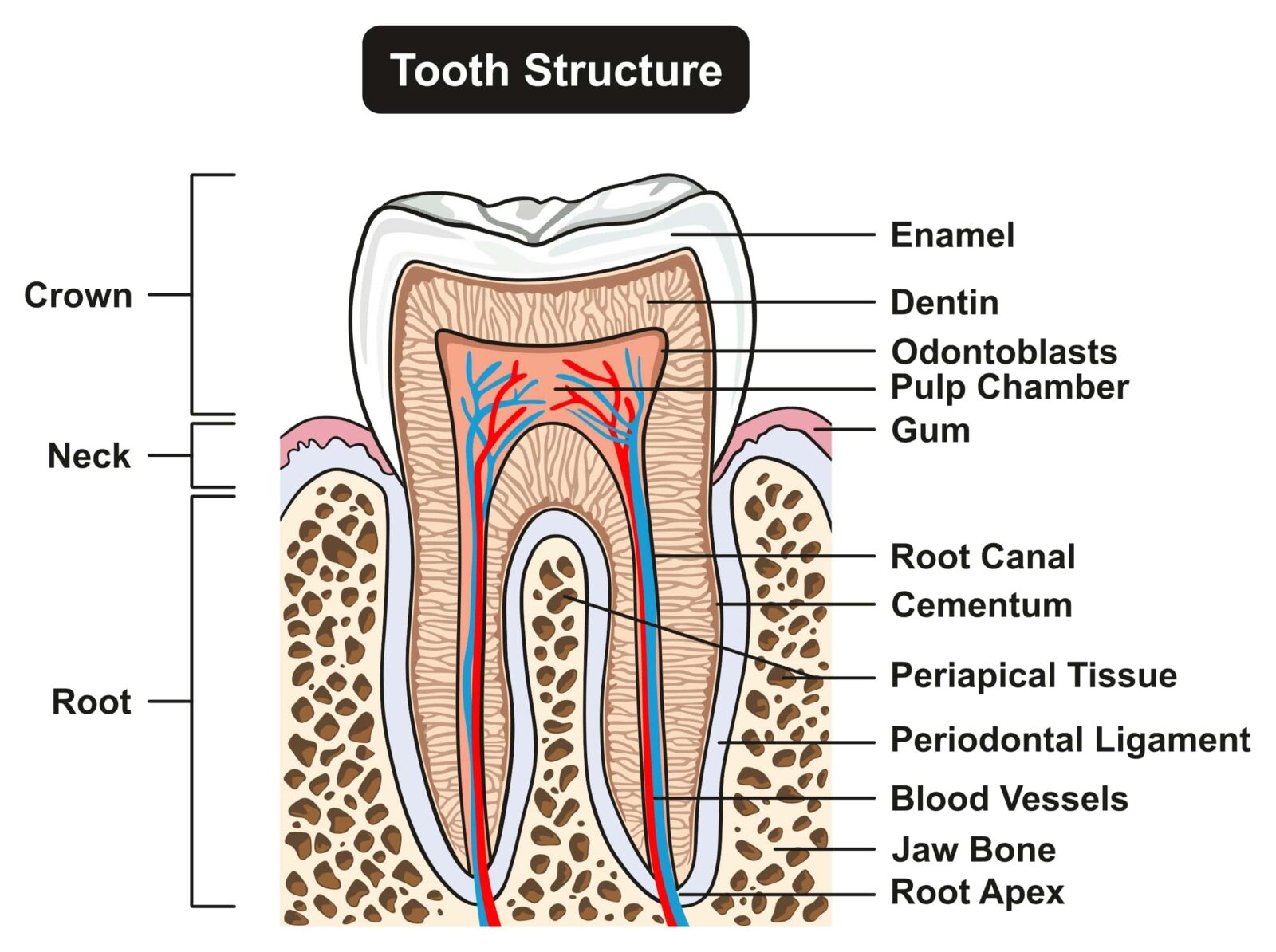
What's Inside Your Teeth? Acorn Dentistry For Kids

DentalCharts and Posters
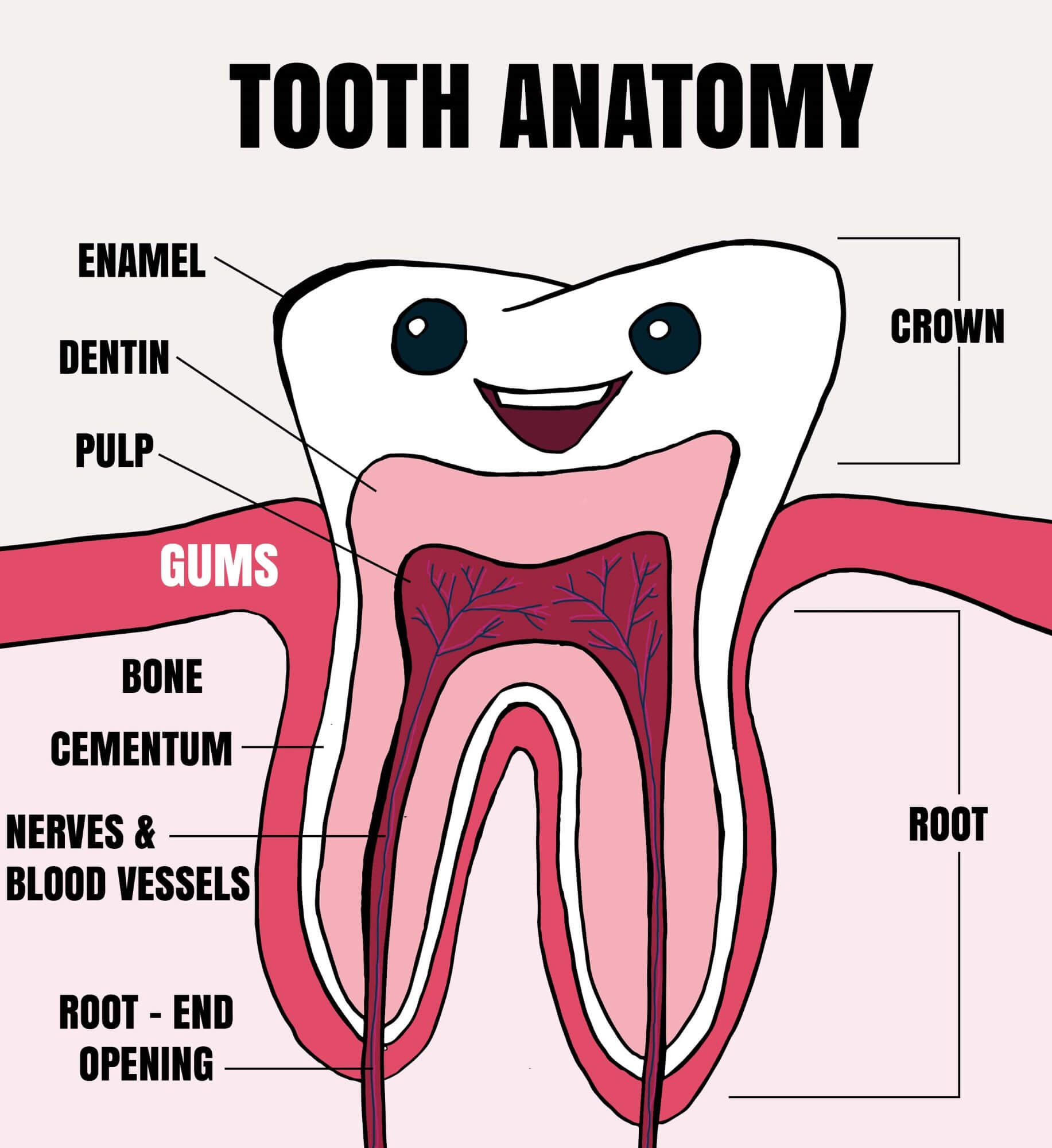
Tooth Anatomy Explained for Kids Tooth Fairy Smiles Blog

The Different Types of Teeth Stonehaven Dental

Tooth Anatomy Poster Behance
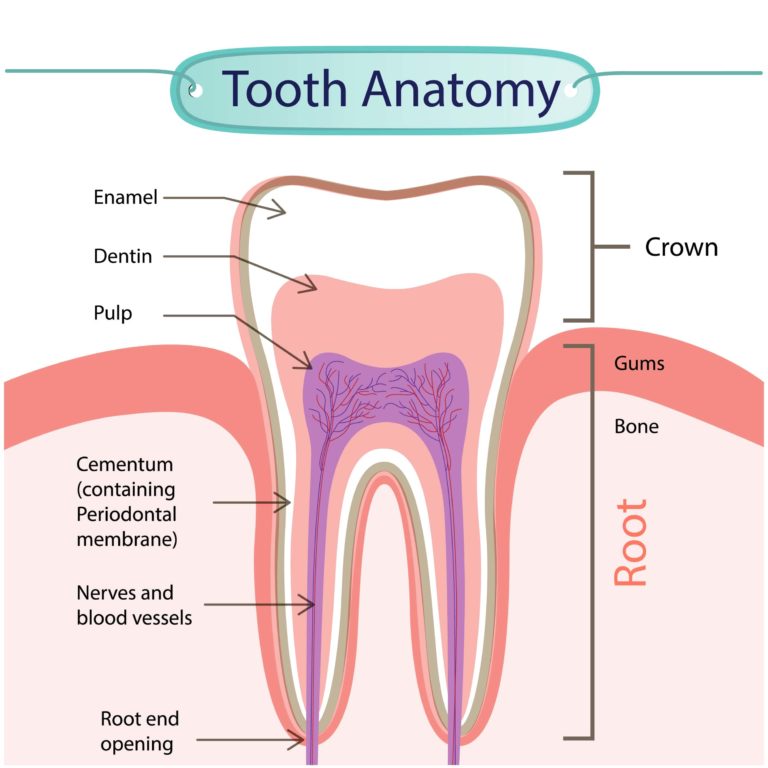
The Anatomy of Your Teeth
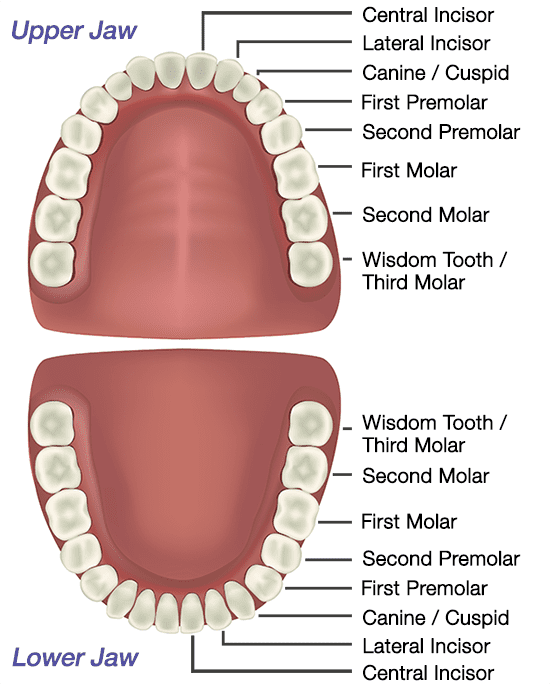
Tooth Anatomy Gosford, Experienced Dentists VC Dental

Tooth Number Chart to Identify Primary Teeth Eruption Charts
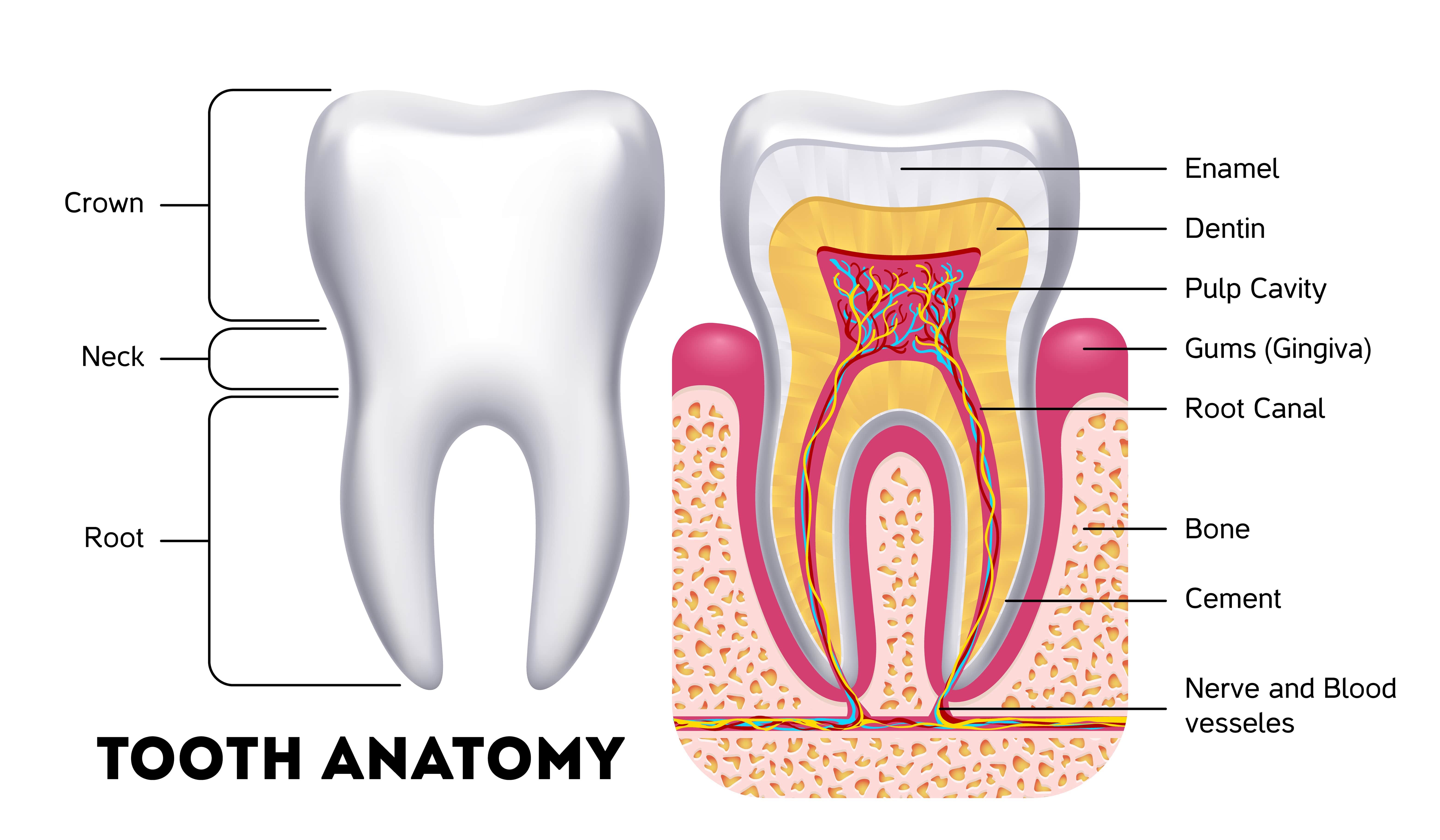
The Anatomy Of A Tooth In Four Parts Arc Dental
Your Teeth Play A Big Role In Digestion.
Web Most Adults Have 32 Permanent Teeth, Including Eight Incisors, Four Canines, Eight Premolars And 12 Molars.
Fully Labeled Illustrations Of The Teeth With Dental Terminology (Orientation, Surfaces, Cusps, Roots Numbering Systems) And Detailed Images Of Each Permanent Tooth.
Web Adults Have 12 Permanent Molars — Six On The Bottom And Top Jaw, And Children Have Eight Primary Molars.
Related Post: