
Thermistor Resistance Chart
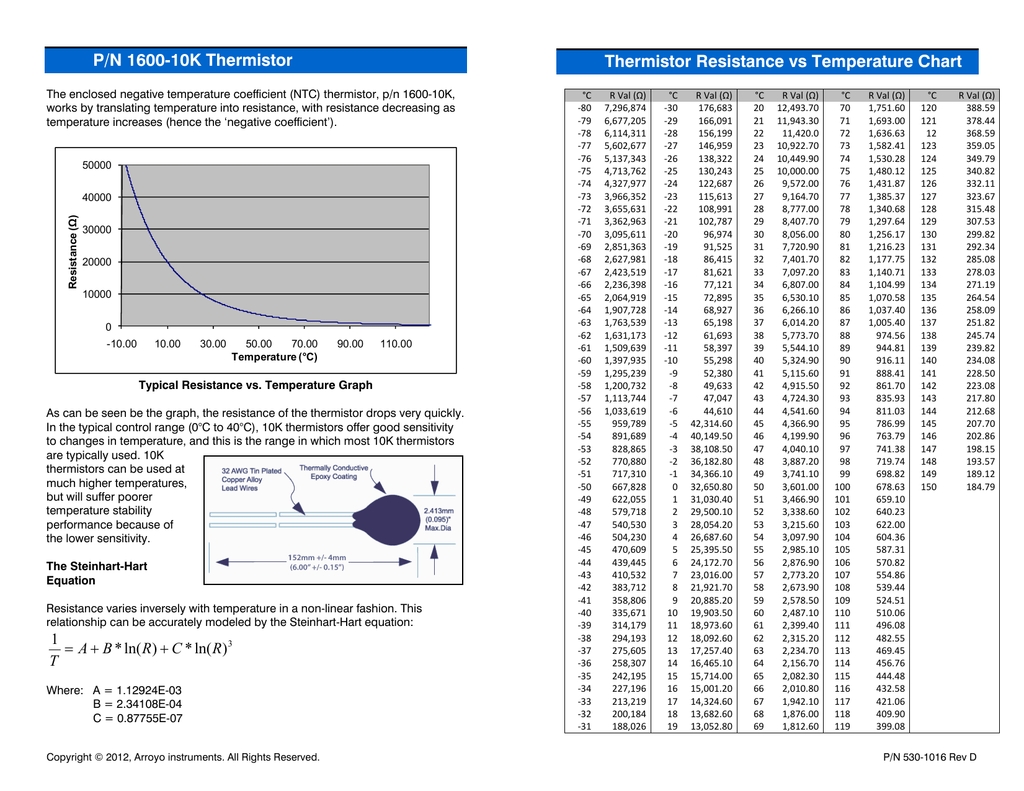
Thermistor Resistance Chart - Temperature/resistance figures are the same for both types. An example of a thermistor output curve can be seen in figure 1. Data in white refers to thermistors with ±0.2°c interchangeability. Web below are tables and graphs for thermistors commonly found in appliances. Web vishay dale ntc thermistors, resistance/temperature conversion www.vishay.com for technical questions, contact: Web the following is a table of the correlation between the temperature and the resistance for the thermistor used in many pasco products. Web data in brown refer to thermistors with ±0.1°c interchangeability. ±0.15°c @ 0°c (±0.28°f @ 32°f). The amount that the resistance characteristics of a thermistor will change. Temperature/resistance figures are the same for both types. Web an ntc thermistor is a thermally sensitive resistor for which the resistance exhibits a large, precise and predictable decrease as the core temperature of the resistor increases over the operating temperature range. Web a thermistor is a temperature sensitive resistor. Bapi thermistors are thermally sensitive resistors known for exhibiting a large change in resistance with only a small change in temperature. Web the resistance of the thermistor will change according to temperature, and should track with the following table. Only thermistors with ±0.2°c interchangeability are available encased in teflon as standard parts. Web the following is a table of the correlation between the temperature and the resistance for the thermistor used in many pasco products. Web vishay dale ntc thermistors, resistance/temperature conversion www.vishay.com for technical questions, contact: Web ntc thermistors are usually characterised by their base resistance at room temperature, that is 25 o c, (77 o f) as this provides a convenient reference point. The top table can be helpful for curve fitting. All resistors have some dependency on temperature,. Web the following is a table of the correlation between the temperature and the resistance for the thermistor used in many pasco products. Thermistors are manufactured to follow a specific curve with a high degree of accuracy. This web page will be revised as needed to add new and suggested thermistors. Web thermistor description thermistor overview bapi thermistors are thermally. So for example, 2k2ω at 25 o c, 10kω at 25 o c or 47kω at 25 o c, etc. This web page will be revised as needed to add new and suggested thermistors. Web the resistance of the thermistor will change according to temperature, and should track with the following table. Data in purple refer to thermistors with ±0.1°c. ±0.22°c @ 25°c (±0.4°f @ 77°f); Web an ntc thermistor is a thermally sensitive resistor for which the resistance exhibits a large, precise and predictable decrease as the core temperature of the resistor increases over the operating temperature range. Over a ten year span, bapi Web vishay dale ntc thermistors, resistance/temperature conversion www.vishay.com for technical questions, contact: They are often. Only thermistors with ±0.2°c interchangeability are available encased in teflon as standard parts. Feel free to bookmark this page for future reference! The top table can be helpful for curve fitting. Web temperature / resistance chart 10,000 ω @ 77 °f temp °f ohms temp °f ohms temp °f ohms temp °f ohms 0 85,378 33 31,738 66 13,138 99. Web a thermistor is a temperature sensitive resistor. Data in white refers to thermistors with ±0.2°c interchangeability. Web the resistance of the thermistor will change according to temperature, and should track with the following table. Web data in brown refer to thermistors with ±0.1°c interchangeability. ±0.15°c @ 0°c (±0.28°f @ 32°f). Thermistors are manufactured to follow a specific curve with a high degree of accuracy. Only thermistors with ±0.2°c interchangeability are available encased in teflon as standard parts. The precon sensor has a dissipation constant in still air at 25°c of 2.7 mw/°c. Temperature/resistance figures are the same for both types. The amount that the resistance characteristics of a thermistor will. Web a thermistor is a temperature sensitive resistor. Data in white refers to thermistors with ±0.2°c interchangeability. The top table can be helpful for curve fitting. Web resistances are normally specified at 25°c (77°f). Web data in brown refer to thermistors with ±0.1°c interchangeability. Web ntc thermistors are usually characterised by their base resistance at room temperature, that is 25 o c, (77 o f) as this provides a convenient reference point. Thermistors are manufactured to follow a specific curve with a high degree of accuracy. Web thermistor description thermistor overview bapi thermistors are thermally sensitive resistors known for exhibiting a large change in. Web the following is a table of the correlation between the temperature and the resistance for the thermistor used in many pasco products. They are used for resistance thermometers in temperature measurement and all sterling sensors assemblies are made using this type of thermistor. Temperature/resistance figures are the same for both types. Bapi thermistors are thermally sensitive resistors known for. ±0.22°c @ 25°c (±0.4°f @ 77°f); ±0.15°c @ 0°c (±0.28°f @ 32°f). Thermistors are accurate to approximately ± 0.2°c within their specified temperature range. All resistors have some dependency on temperature,. Web data in brown refer to thermistors with ±0.1°c interchangeability. Web temperature / resistance chart 10,000 ω @ 77 °f temp °f ohms temp °f ohms temp °f ohms temp °f ohms 0 85,378 33 31,738 66 13,138 99 5,961 1 82,710 34 30,855 67 12,811 100 5,827 2 80,135 35 30,000 68 12,493 101 5,697 3 77,649 36 29,171 69 12,184 102 5,570 4 75,249 37 28,376 70 11,883 103 5,446 5 72,931 38 27,589 71 11,591 104. Web thermistor description thermistor overview bapi thermistors are thermally sensitive resistors known for exhibiting a large change in resistance with only a small change in temperature. Web data in brown refer to thermistors with ±0.1°c interchangeability. Thermistors are manufactured to follow a specific curve with a high degree of accuracy. Over a ten year span, bapi The amount that the resistance characteristics of a thermistor will change. Both tables contain the same information. An example of a thermistor output curve can be seen in figure 1. They are used for resistance thermometers in temperature measurement and all sterling sensors assemblies are made using this type of thermistor. Data in white refers to thermistors with ±0.2°c interchangeability. Web the resistance of the thermistor will change according to temperature, and should track with the following table. The top table can be helpful for curve fitting. Temperature/resistance figures are the same for both types. Negative temperature coefficient (ntc) thermistors have a resistance which reduces as the temperature rises (fig 1.). The precon sensor has a dissipation constant in still air at 25°c of 2.7 mw/°c. They are often used as a temperature sensor.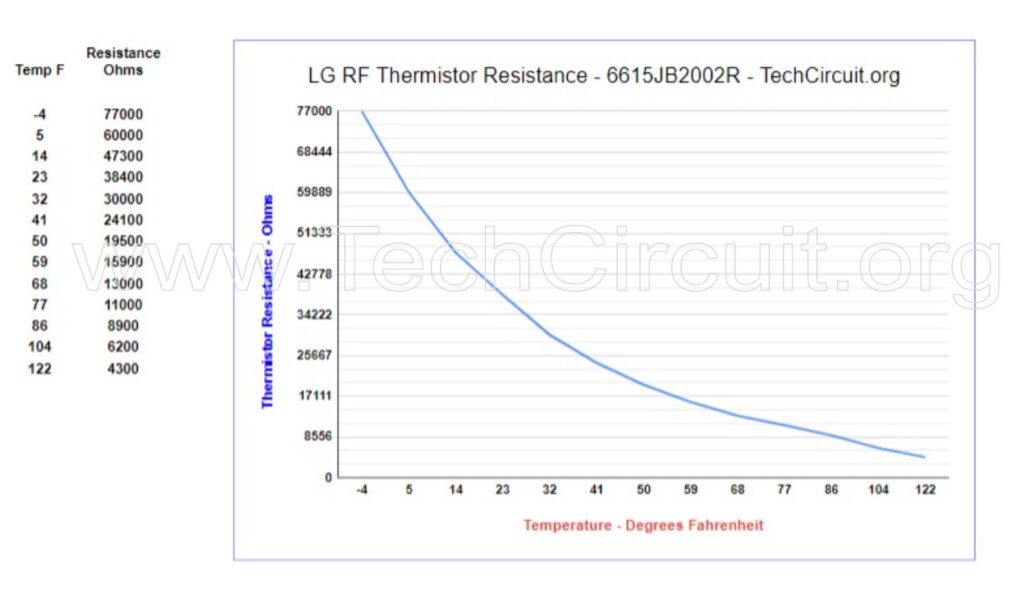
Thermistor Cheat Sheet Common Appliance Thermistor Values Tables and
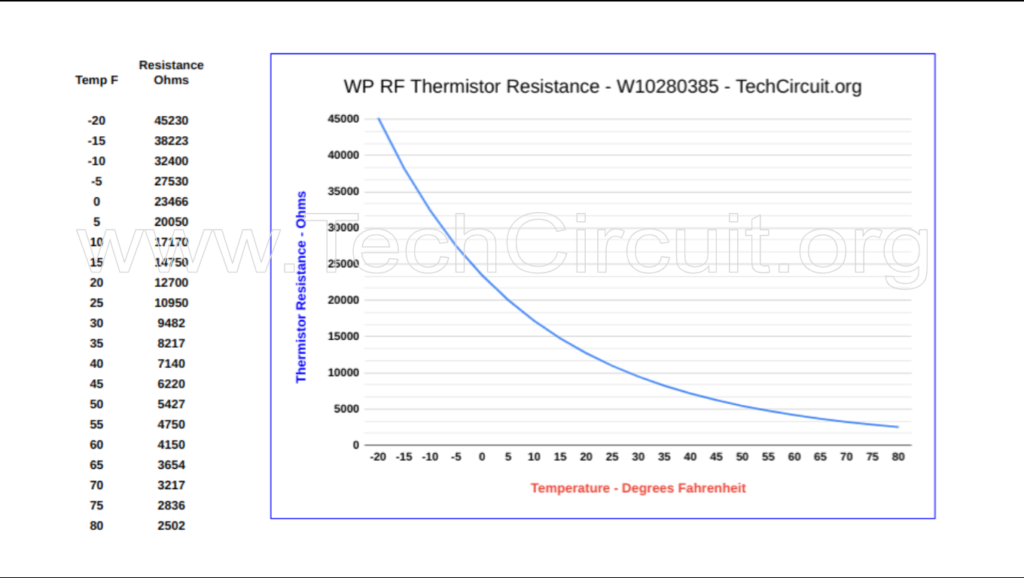
Thermistor Cheat Sheet Common Appliance Thermistor Values Tables and
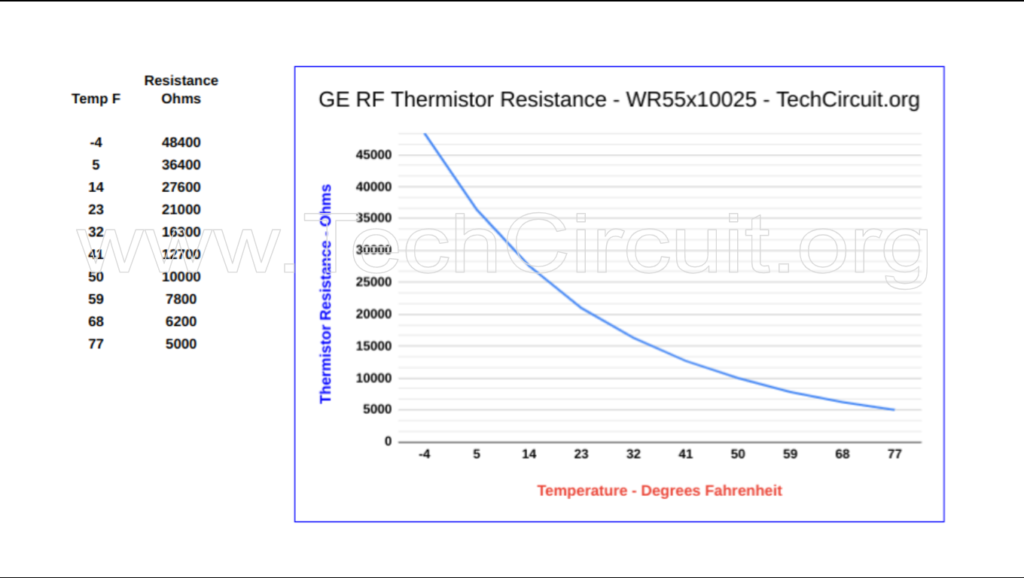
Thermistor Cheat Sheet Common Appliance Thermistor Values Tables and
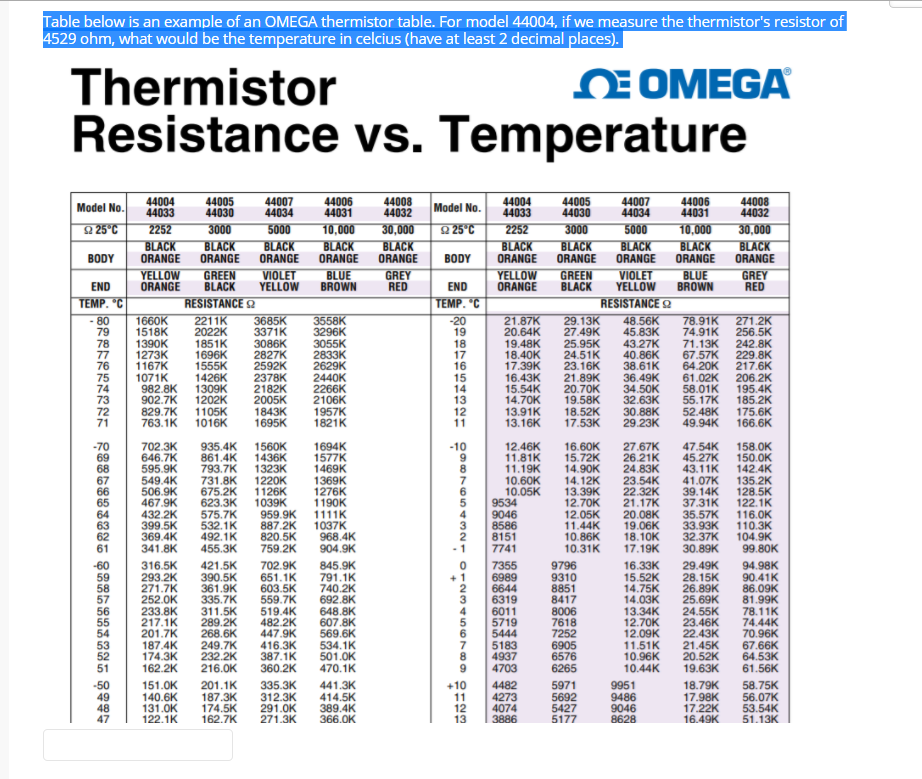
Solved Able Below Is An Example Of An OMEGA Thermistor Ta...
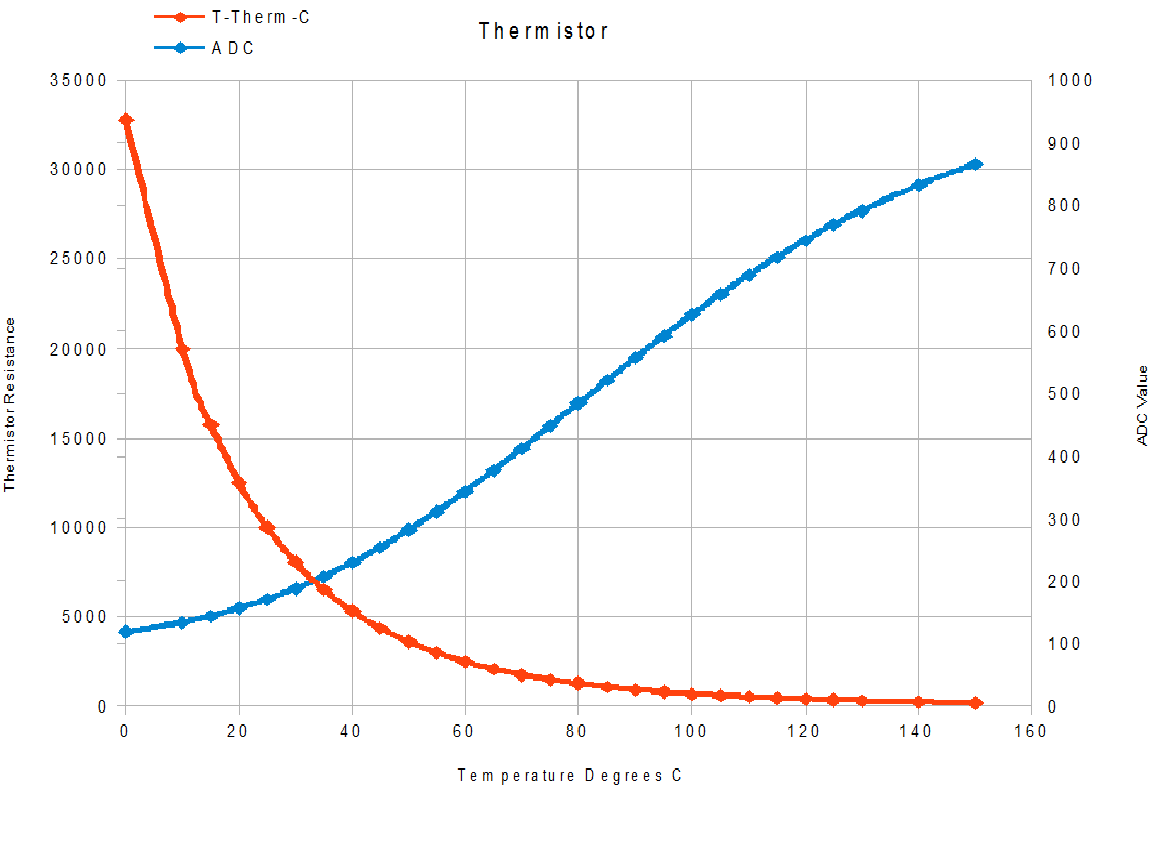
10k Ntc Thermistor Resistance Table Elcho Table
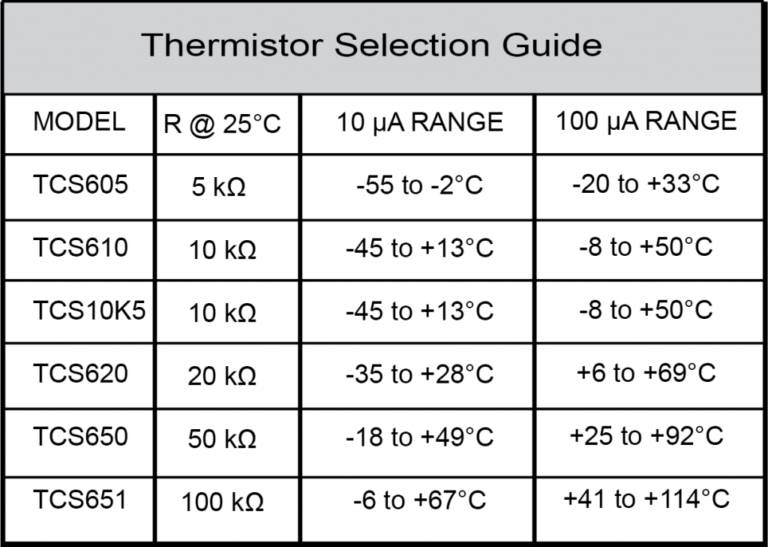
Thermistor Resistance How does it Calculate? Linquip

» How to test Whirlpool Thermistor Part WP8577274
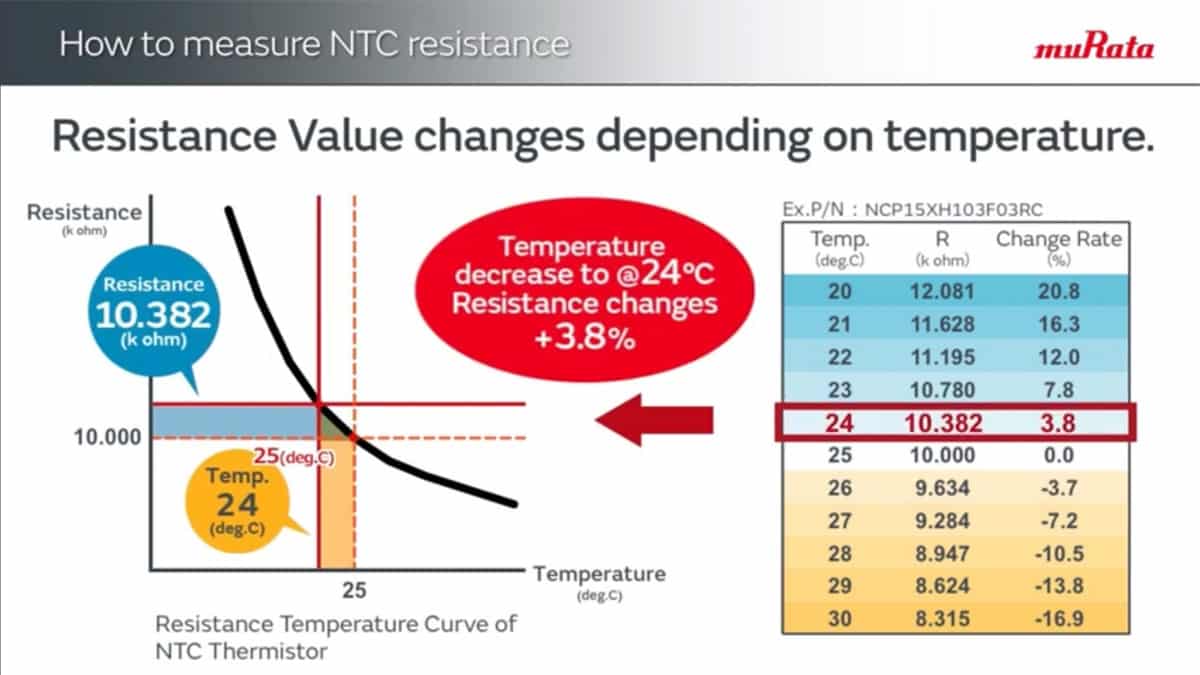
How to Measure NTC Thermistor Resistance; Murata Video
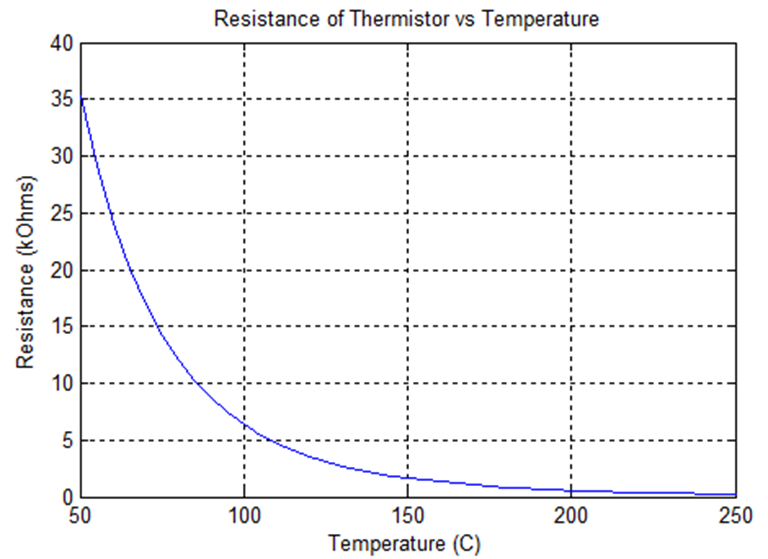
Using a Thermistor Hardware Breakout
6 Photos Ptc 10k Thermistor Table And Review Alqu Blog
Web Vishay Dale Ntc Thermistors, Resistance/Temperature Conversion Www.vishay.com For Technical Questions, Contact:
Another Important Characteristic Of A Thermistor Is Its “B” Value.
All Resistors Have Some Dependency On Temperature,.
Web An Ntc Thermistor Is A Thermally Sensitive Resistor For Which The Resistance Exhibits A Large, Precise And Predictable Decrease As The Core Temperature Of The Resistor Increases Over The Operating Temperature Range.
Related Post: