
Sourdough Temperature Chart
Sourdough Temperature Chart - Web it’s best to bake sourdough bread in the oven between 410°f (210°c) and 455°f (235°c) depending on the recipe. So what happens if the dough (or starter/levain) get too hot or too cold? If your room temperature is 60f/16c, your dough will underproof. Web sourdough bread typically needs to be cooked for 25 to 30 minutes. That temperature is optimal, but you can get a faster rise with warmer temperatures (to a point) or a slower rise with cooler temps. Web if your room temperature is 80f/27c, your dough will overproof. Web for a typical sourdough bread recipe, i let bulk fermentation play out at room temperature over 3 to 5 hours. This collection of guides, recipes, and walkthroughs will help you create your sourdough starter from scratch, maintain it with the right flour and feeding ratios, and learn how to use it to make a levain and bake bread. Web the interesting thing to notice is that a 20g:30g:30g feeding at 65f peaks in around 12 hours but a 1g:100g:100g feeding at 80f peaks in around 12 hours, too. Start your sourdough journey today! How to monitor, maintain, and calculate temperatures for baking consistently. Web sourdough bread typically needs to be cooked for 25 to 30 minutes. Web bulk fermentation at warmer temperatures encourages strong yeast and bacterial fermentation that results in an active and flavorful bread dough. 74 to 78°f (23 to 25°c) typical duration: Baking sourdough bread in colder temperatures. For the best crust, place an empty cast iron frying pan on the oven rack below the stone to preheat. So what happens if the dough (or starter/levain) get too hot or too cold? Too cold (68 degrees and below): About 60 minutes before the bread is ready to bake, preheat the oven with a baking stone in it (if you have a stone) to 450°f. But this time period is ultimately dictated by the bread you're making, what the recorded desired dough temperature is, and the temperature at which you keep the dough. The goal is to stay within that range for as much time as possible. The biggest factor is getting the bread to the necessary internal temperature. Web bulk fermentation at warmer temperatures encourages strong yeast and bacterial fermentation that results in an active and flavorful bread dough. (let’s say 2 x 2 if your mass of dough is roughly 8. Web a guide on the importance of dough temperature in baking bread. Starting with your large blob of dough on a work surface, use your bench knife to chop off a small piece. Web for a typical sourdough bread recipe, i let bulk fermentation play out at room temperature over 3 to 5 hours. So what happens if the dough. Web bulk fermentation at warmer temperatures encourages strong yeast and bacterial fermentation that results in an active and flavorful bread dough. The biggest factor is getting the bread to the necessary internal temperature. Web what temperature do you bake it at? If your room temperature is 60f/16c, your dough will underproof. But this time period is ultimately dictated by the. Web in our sourdough starter guide, we even broke down the complex relationship between temperature and development of differing strains of yeast and lactic acid bacteria. Web after years of research and hundreds of experiments, i’ve developed a new method for beginners (and experiened bakers) to easily determine when bulk fermentation is finished — by measuring the dough temperature and. Web it’s best to bake sourdough bread in the oven between 410°f (210°c) and 455°f (235°c) depending on the recipe. Web how to do it. For a more sour and developed flavor, temperature ranges that are either above 82f (28c) or below 50f (10c) are ideal, depending on which sour notes you prefer, and how long you want to ferment. For a more sour and developed flavor, temperature ranges that are either above 82f (28c) or below 50f (10c) are ideal, depending on which sour notes you prefer, and how long you want to ferment for. Some recipes atempt to provide more specifics, but the guidance is inconsistent with some recommending a 30% rise and some recommending a 100% rise. Web if your room temperature is 80f/27c, your dough will overproof. That temperature is optimal, but you can get a faster rise with warmer temperatures (to a point) or a slower rise with cooler temps. Use a probe thermometer to test the internal temperature in the center of your dough throughout bulk fermentation (e.g., every 30 minutes). If your room. So what happens if the dough (or starter/levain) get too hot or too cold? If you don’t have a thermometer, you can judge your dough through its appearance, paying attention to how much of your dough has risen, and whether it has doubled in size, appearing light and airy on top. Web generally, a temperature range of 70°f to 80°f. Web easily calculate ingredient proportions, fermentation times, and baking schedules for consistently delicious results. The dough temperature is also important in sourdough making and should be around 78°f (25°c). Find the warmest spot in the house. The cook time will depend on the size of the loaf. You can bulk ferment at practically any temperature between 65 and 90°f (18. So what happens if the dough (or starter/levain) get too hot or too cold? Web sourdough bread typically needs to be cooked for 25 to 30 minutes. Web the interesting thing to notice is that a 20g:30g:30g feeding at 65f peaks in around 12 hours but a 1g:100g:100g feeding at 80f peaks in around 12 hours, too. Web it’s best. 74 to 78°f (23 to 25°c) typical duration: Making a sourdough starter when it’s hot. Baking sourdough bread in colder temperatures. The biggest factor is getting the bread to the necessary internal temperature. Starting with your large blob of dough on a work surface, use your bench knife to chop off a small piece. About 60 minutes before the bread is ready to bake, preheat the oven with a baking stone in it (if you have a stone) to 450°f. Repeat, stacking the chopped pieces on top as you go. During this stage, you must keep a close eye on your dough. At these cold temperatures, fermentation will go very slowly and may even not take place. Cold bulk fermentation (bulk retarding) That temperature is optimal, but you can get a faster rise with warmer temperatures (to a point) or a slower rise with cooler temps. Web generally, a temperature range of 70°f to 80°f (21°c to 27°c) is ideal for bulk fermentation. So what happens if the dough (or starter/levain) get too hot or too cold? Find the warmest spot in the house. Web bulk fermentation at warmer temperatures encourages strong yeast and bacterial fermentation that results in an active and flavorful bread dough. Sourdough bread is baked at different temperatures depending on different baking methods used;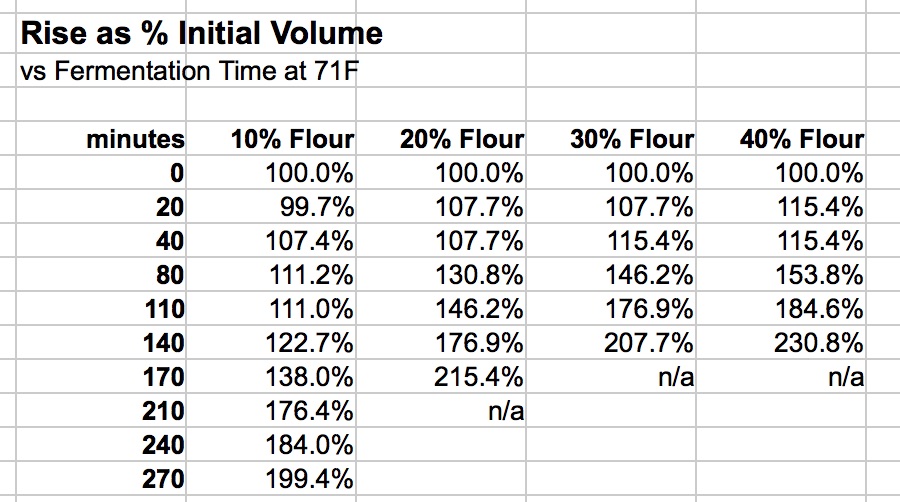
Sourdough Rise Data The Fresh Loaf
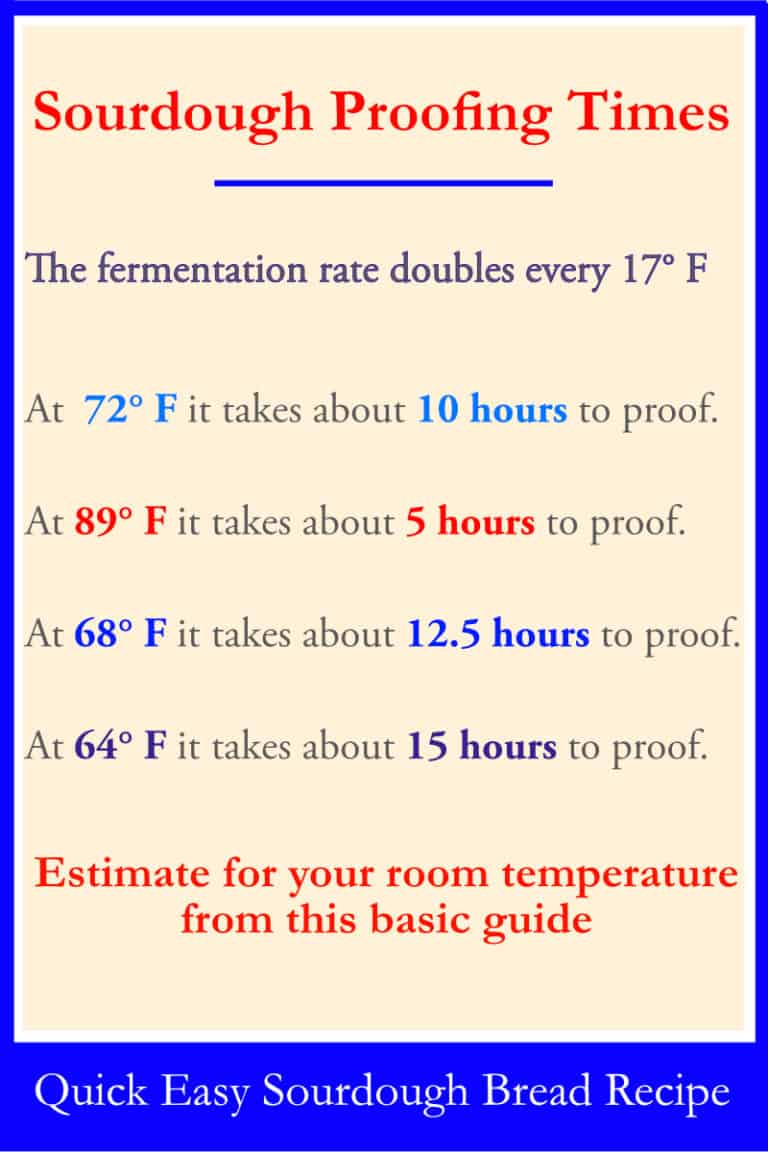
sourdough proofing time chart Archives • Dome Dough Maker and Prep Tool

Water temperature calculator. Sourdough Bread Recipe

How to bake sourdough on an industrial scale? Puratos

Tools The Sourdough Journey

Sourdough Proofing & Temperature Guide Bread making recipes
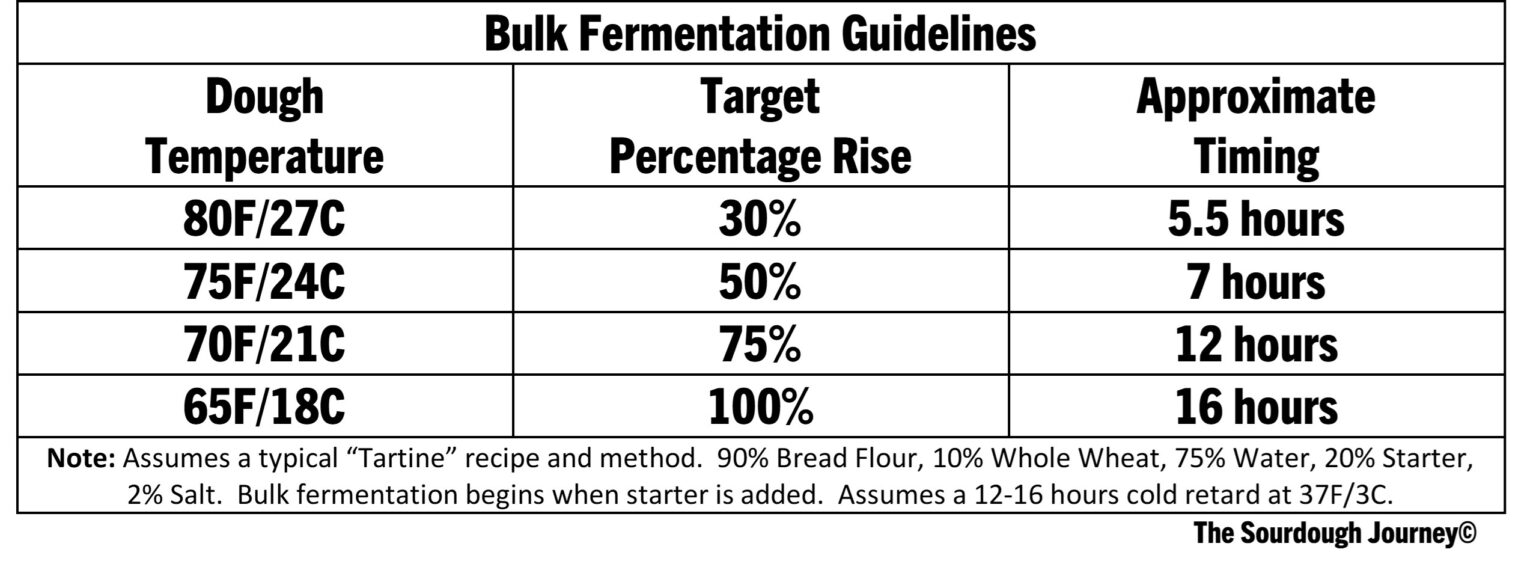
The Mystery of Percentage Rise in Bulk Fermentation The Sourdough Journey
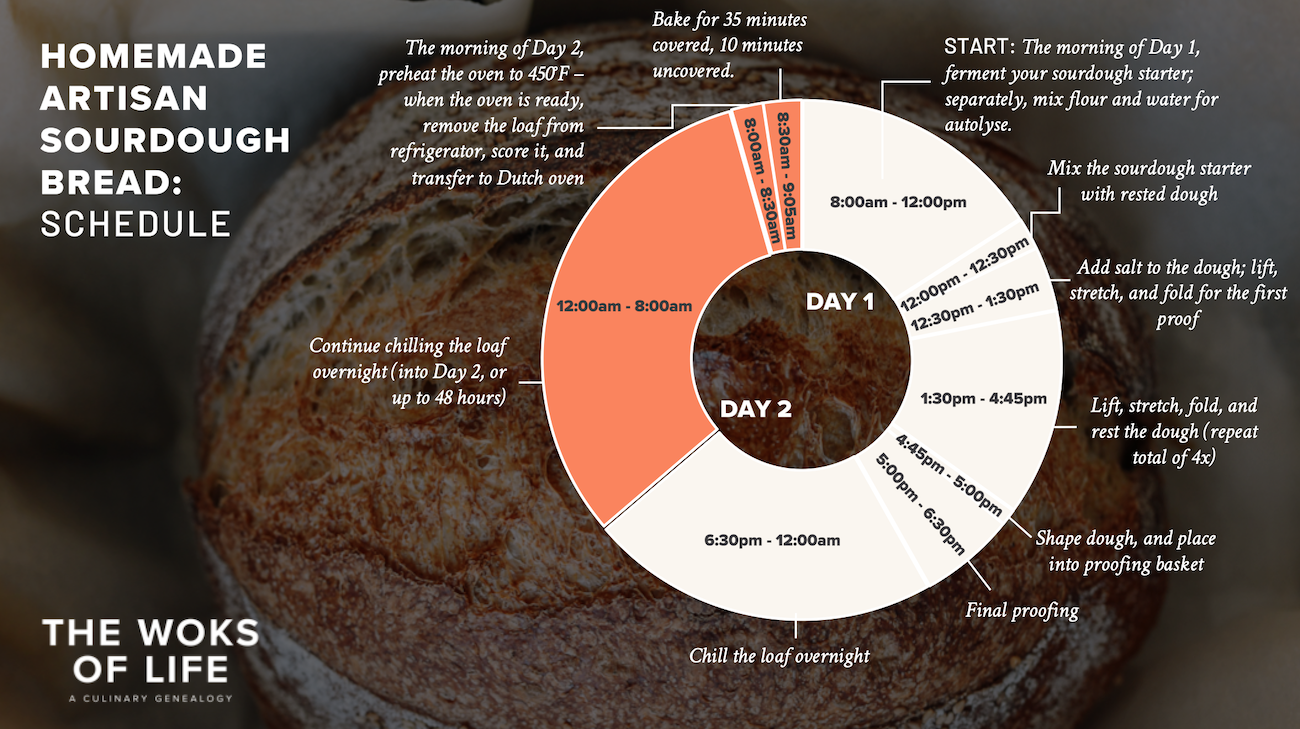
Homemade Artisan Sourdough Bread Recipe The Woks of Life

Sourdough Baking Temperature Guide Right Temperature to Bake Sourdough

Sourdough propagation parameters (fermentation temperature and time
But This Time Period Is Ultimately Dictated By The Bread You're Making, What The Recorded Desired Dough Temperature Is, And The Temperature At Which You Keep The Dough.
The Dough Temperature Is Also Important In Sourdough Making And Should Be Around 78°F (25°C).
Start Your Sourdough Journey Today!
(Let’s Say 2 X 2 If Your Mass Of Dough Is Roughly 8 X 8.) Plop That Small Piece Of Dough On Top Of The Larger Blob.
Related Post: