
Scoliosis Degree Chart
Scoliosis Degree Chart - Web what part of the spine curves? Web the degrees of curvature chart categorizes the severity of scoliosis by assigning a degree of curvature number. Viewed from the back, a typical spine is straight. Curves that are less than 10 degrees are not considered to represent scoliosis, but rather a minor spinal asymmetry. The upper cervical curve is convex forwards and is the reverse of the lower cervical curve. What are the symptoms in adults? The upper cervical curve extending from the occiput to the axis, and the longer lordotic curve of the lower cervical spine extending from the axis to the second thoracic vertebrae. In about 80% of cases, the scoliosis is considered idiopathic (without a congenital or other underlying cause). Web the accompanying adolescent scoliosis degrees of curvature chart shows how the two main scoliosis treatment approaches respond at each severity level. Scoliosis is diagnosed when the cobb angle reaches 10 degrees or more. Web what part of the spine curves? Adolescent idiopathic scoliosis (ais) degenerative scoliosis (de novo scoliosis) neuromuscular scoliosis. In this comprehensive article, we will explore the scoliosis degrees of curvature chart in detail, offering you a clearer roadmap through the scoliosis journey. Web a healthcare provider will measure the curve of your spine in degrees. Web a cobb angle of 10 degrees. Scoliosis is diagnosed when the cobb angle reaches 10 degrees or more. Viewed from the back, a typical spine is straight. They’ll rate the severity based on the degree of the curve: Scoliosis is a sideways curvature of the spine that most often is diagnosed in adolescents. It is the most common form of. Web table of contents. Viewed from the back, a typical spine is straight. Web take a look at the accompanying scoliosis degrees of curvature chart for both adolescents and adults, to see how each of the two main scoliosis treatment approaches responds at each severity level; Follow along on the accompanying scoliosis degrees chart for a visual of how the. Web what part of the spine curves? While scoliosis can occur in people with conditions such as cerebral palsy and muscular dystrophy, the cause of most childhood scoliosis is not known. The higher the degree, the more severe the curvature and the greater the risk of serious medical complications. What are the degrees of curvature? 2 normally occurring curves in. The upper cervical curve extending from the occiput to the axis, and the longer lordotic curve of the lower cervical spine extending from the axis to the second thoracic vertebrae. Curves that are less than 10 degrees are not considered to represent scoliosis, but rather a minor spinal asymmetry. While scoliosis can occur in people with conditions such as cerebral. In about 80% of cases, the scoliosis is considered idiopathic (without a congenital or other underlying cause). The upper cervical curve is convex forwards and is the reverse of the lower cervical curve. What sets the different types of scoliosis apart? The higher the degree, the more severe the curvature and the greater the risk of serious medical complications. Web. Scoliosis is not a disease. Between 25 to 39 degrees. Web what part of the spine curves? Follow along on the accompanying scoliosis degrees chart for a visual of how the traditional and functional treatment approaches address the various severity levels. Between 10 to 24 degrees. In about 80% of cases, the scoliosis is considered idiopathic (without a congenital or other underlying cause). Web the accompanying adolescent scoliosis degrees of curvature chart shows how the two main scoliosis treatment approaches respond at each severity level. Scoliosis is diagnosed when the cobb angle reaches 10 degrees or more. Web the scoliosis degrees of curvature chart is a. Between 25 to 39 degrees. Web the scoliosis progression chart provides a detailed overview of the different degrees of curvature and helps healthcare professionals interpret the severity of the condition. This different from the condition known as kyphosis, where the spine has an abnormal,. Viewed from the back, a typical spine is straight. Web adolescent idiopathic scoliosis is a lateral. Scoliosis is a lateral (or sideways) curvature of the spine in one or more places. Viewed from the back, a typical spine is straight. Between 10 to 24 degrees. Follow along on the accompanying scoliosis degrees chart for a visual of how the traditional and functional treatment approaches address the various severity levels. This different from the condition known as. Web a cobb angle of 10 degrees. Viewed from the back, a typical spine is straight. Web adolescent idiopathic scoliosis is a lateral curvature of the spine (i.e., the cobb angle) of 10 degrees or more that affects adolescents 10 to 18 years of age. It is the most common form of. What sets the different types of scoliosis apart? Both the thoracic (mid) and lumbar (lower) spine may be affected by scoliosis. What are the symptoms in adults? Scoliosis is a lateral (or sideways) curvature of the spine in one or more places. What are the degrees of curvature? Curves that are less than 10 degrees are not considered to represent scoliosis, but rather a minor spinal asymmetry. Both the thoracic (mid) and lumbar (lower) spine may be affected by scoliosis. Web table of contents. What are the degrees of curvature? Web adolescent idiopathic scoliosis is a lateral curvature of the spine (i.e., the cobb angle) of 10 degrees or more that affects adolescents 10 to 18 years of age. Web the scoliosis degrees of curvature chart is a crucial tool for assessing and managing scoliosis. Scoliosis is diagnosed when the cobb angle reaches 10 degrees or more. Below are seven types of scoliosis in greater detail: Between 10 to 24 degrees. Web take a look at the accompanying scoliosis degrees of curvature chart for both adolescents and adults, to see how each of the two main scoliosis treatment approaches responds at each severity level; Factors such as age, symptoms, and treatment options vary depending on the degree of curvature. Curves that are less than 10 degrees are not considered to represent scoliosis, but rather a minor spinal asymmetry. The upper cervical curve is convex forwards and is the reverse of the lower cervical curve. This different from the condition known as kyphosis, where the spine has an abnormal,. Web this chart not only provides vital insights into the severity of the condition but also plays a crucial role in guiding the treatment plan. In this comprehensive article, we will explore the scoliosis degrees of curvature chart in detail, offering you a clearer roadmap through the scoliosis journey. Web scoliosis is an abnormal sideways curvature of the spine that also twists abnormally.
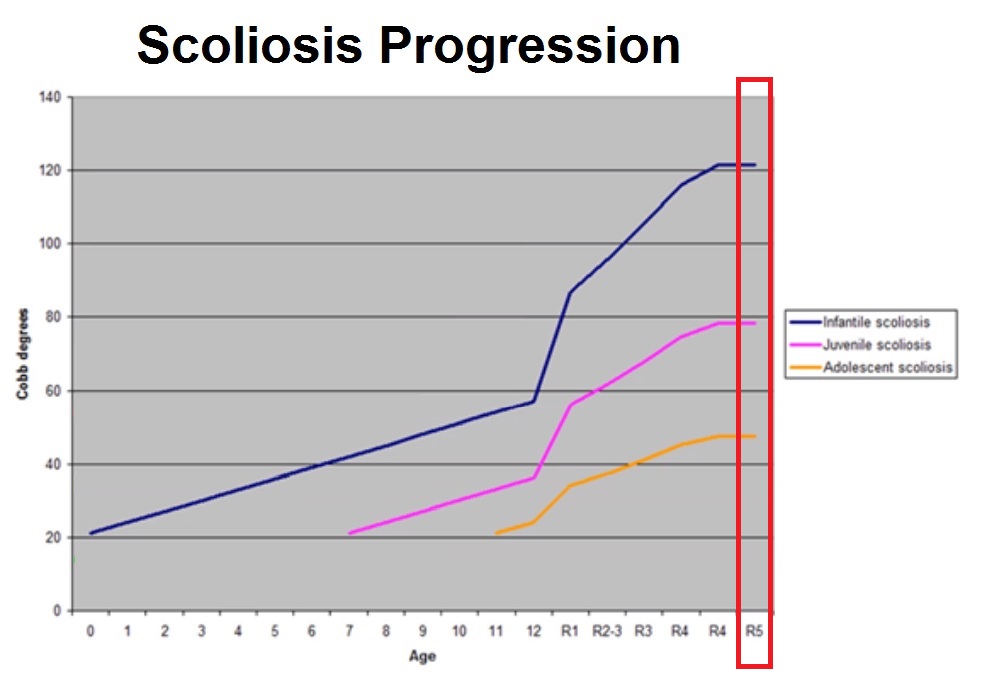
Scoliosis Progression
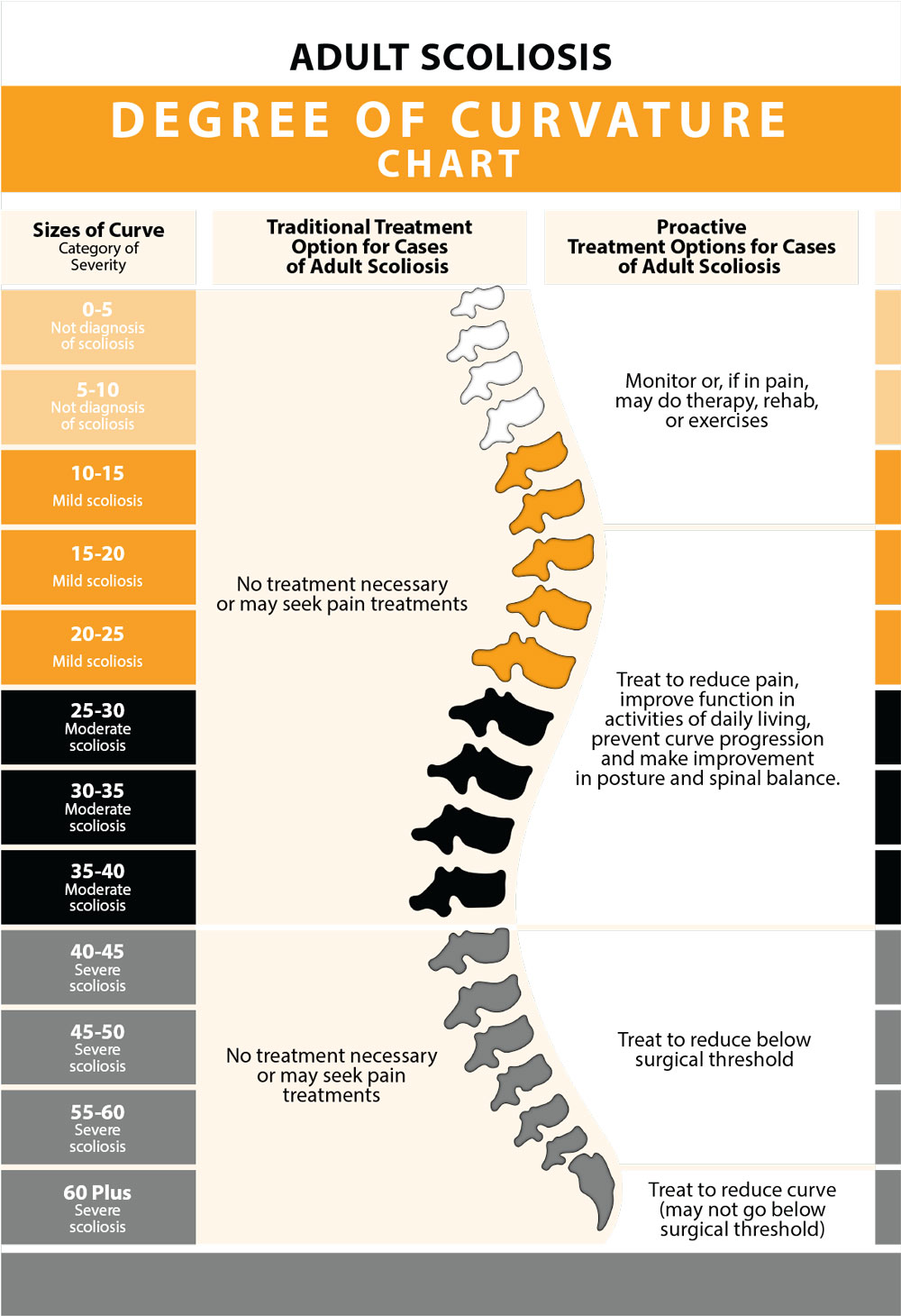
Exploring The Scoliosis Degrees Of Curvature Chart
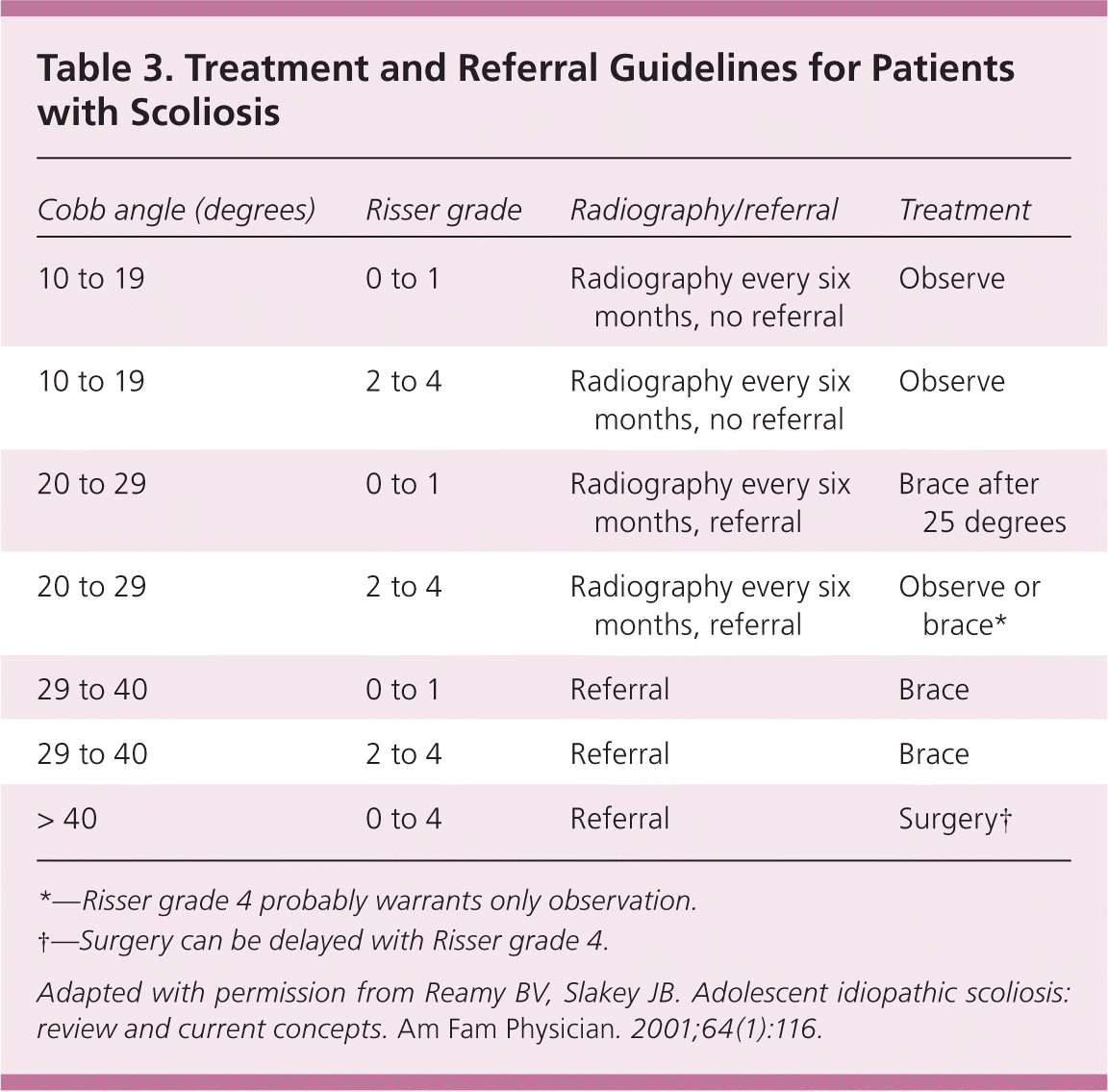
Adolescent Idiopathic Scoliosis Diagnosis and Management AAFP

Scoliosis Progression Chart Simplified Treating Scoliosis
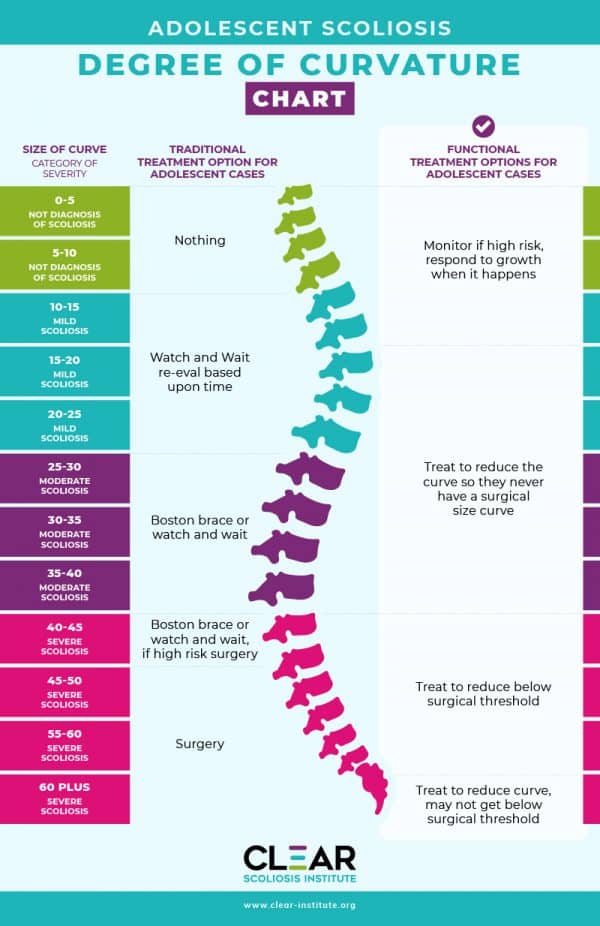
Scoliosis Degrees Of Curvature Chart

Extent, types and stages of scoliosis, their classification

Scoliosis Degrees Of Curvature Chart
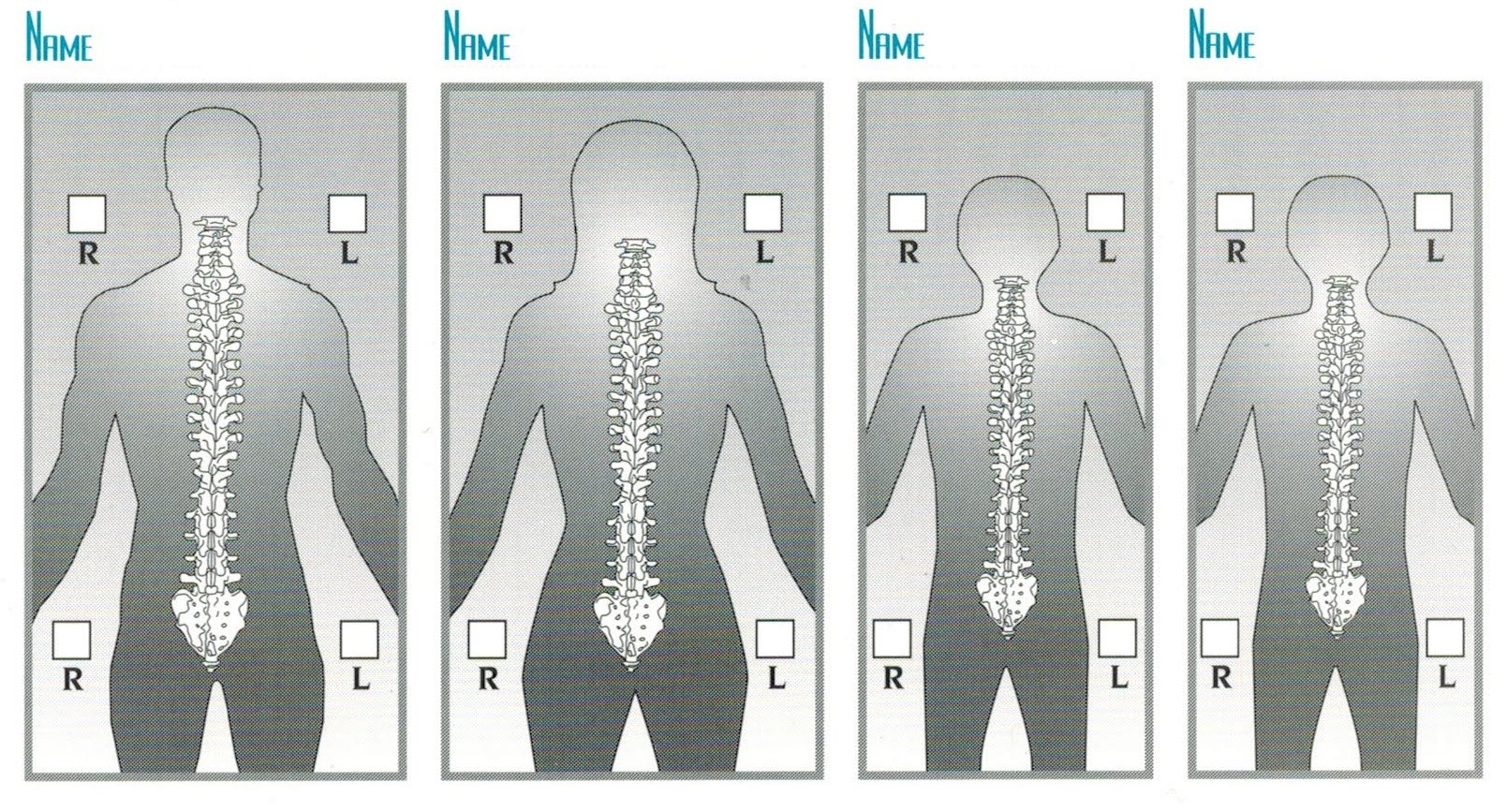
What Is Scoliosis? A Comprehensive Overview
Scoliosis Degrees Of Curvature Chart

Dive Into the Scoliosis Degrees of Curvature Chart Advanced Spine
What Are The Symptoms In Adults?
What Sets The Different Types Of Scoliosis Apart?
Scoliosis Is A Sideways Curvature Of The Spine That Most Often Is Diagnosed In Adolescents.
It Is The Most Common Form Of.
Related Post: