
Scallop Size Chart
Scallop Size Chart - Basically, this number tells you how big the scallops are, and how many you can expect to get per pound. The smaller this number range is, the larger (by weight) the scallops are. Packages of fresh or frozen sea scallops labeled as u/8, u/10, u/12, or u/15 are the largest. Web pacific seafood has industry leading traceability systems to assure food safety and track harvest to market. By comparison, bay scallops typically run 80/120 per pound. Sea scallops are sorted based on the number that are portioned per pound. Similar to shrimp, retailers describe scallop sizes by a range of numbers indicating how many of them there are in a pound. There are anywhere from 8 to 50 sea scallops or meats per pound. Web scallop sizes are measured by the number of shucked scallops per pound. Sea scallops are generally larger than bay scallops. By comparison, bay scallops typically run 80/120 per pound. Web pacific seafood has industry leading traceability systems to assure food safety and track harvest to market. You will typically see a range indicating the minimum and maximum count, just as shown in the scallop size chart above. Web learn about the different sizes of scallops & their ideal preparations. Web scallops vary greatly in size, from bay scallops that can be the width of a fingertip to meaty sea scallops the size of lemons. Similar to shrimp, retailers describe scallop sizes by a range of numbers indicating how many of them there are in a pound. Web here, we dispel the confusion behind scallop size designations. Scallops can range as large as u5s to u40/50. Sea scallops are sorted based on the number that are portioned per pound. The smallest of these being the 20/30 assortment. Scallops’ sweet, rich taste, and firm texture lends themselves to a variety of cooking techniques. Web scallops vary greatly in size, from bay scallops that can be the width of a fingertip to meaty sea scallops the size of lemons. You will typically see a range indicating the minimum and maximum count, just as shown in the scallop size chart. There are anywhere from 8 to 50 sea scallops or meats per pound. Web scallop sizes are measured by the number of shucked scallops per pound. Scallops can range as large as u5s to u40/50. Web scallops vary greatly in size, from bay scallops that can be the width of a fingertip to meaty sea scallops the size of lemons.. Web here, we dispel the confusion behind scallop size designations. Sea scallops are sorted based on the number that are portioned per pound. Web sea scallops are the largest scallops sold in the u.s., averaging 10/40 count per pound. You will typically see a range indicating the minimum and maximum count, just as shown in the scallop size chart above.. Discover how to make informed choices when buying these delectable bivalves. Web pacific seafood has industry leading traceability systems to assure food safety and track harvest to market. The smaller this number range is, the larger (by weight) the scallops are. Packages of fresh or frozen sea scallops labeled as u/8, u/10, u/12, or u/15 are the largest. Similar to. The smallest of these being the 20/30 assortment. Web for those who are unfamiliar with these scallop descriptions, we'll explain so you can choose the option that best suits your culinary needs. Similar to shrimp, retailers describe scallop sizes by a range of numbers indicating how many of them there are in a pound. Web pacific seafood has industry leading. The smaller this number range is, the larger (by weight) the scallops are. The smallest of these being the 20/30 assortment. Designating scallops as 20/30 means that it would take between 20 and 30 of them to make up a pound. Web learn about the different sizes of scallops & their ideal preparations. Discover how to make informed choices when. Web scallop sizes are measured by the number of shucked scallops per pound. Scallops’ sweet, rich taste, and firm texture lends themselves to a variety of cooking techniques. Scallops can range as large as u5s to u40/50. Similar to shrimp, retailers describe scallop sizes by a range of numbers indicating how many of them there are in a pound. Web. Designating scallops as 20/30 means that it would take between 20 and 30 of them to make up a pound. Scallops can range as large as u5s to u40/50. Web scallops vary greatly in size, from bay scallops that can be the width of a fingertip to meaty sea scallops the size of lemons. The smallest of these being the. Web learn about the different sizes of scallops & their ideal preparations. Sea scallops are generally larger than bay scallops. The smallest of these being the 20/30 assortment. The 'u' indicates 'under' 8 scallops per pound for u/8, or 'under' 10 scallops in a u/10 scallops package per pound,. The smaller this number range is, the larger (by weight) the. Scallops can range as large as u5s to u40/50. Web scallops vary greatly in size, from bay scallops that can be the width of a fingertip to meaty sea scallops the size of lemons. Web pacific seafood has industry leading traceability systems to assure food safety and track harvest to market. Similar to shrimp, retailers describe scallop sizes by a. Scallops can range as large as u5s to u40/50. While they may be labeled with size descriptors like small or jumbo, there's a more detailed scallop sizing system that will give you specific information and a better understanding of the dimensions of the. Web here, we dispel the confusion behind scallop size designations. Basically, this number tells you how big the scallops are, and how many you can expect to get per pound. Web pacific seafood has industry leading traceability systems to assure food safety and track harvest to market. The smaller this number range is, the larger (by weight) the scallops are. By comparison, bay scallops typically run 80/120 per pound. The 'u' indicates 'under' 8 scallops per pound for u/8, or 'under' 10 scallops in a u/10 scallops package per pound,. Web for those who are unfamiliar with these scallop descriptions, we'll explain so you can choose the option that best suits your culinary needs. Similar to shrimp, retailers describe scallop sizes by a range of numbers indicating how many of them there are in a pound. Web sea scallops are the largest scallops sold in the u.s., averaging 10/40 count per pound. The smallest of these being the 20/30 assortment. Web scallops vary greatly in size, from bay scallops that can be the width of a fingertip to meaty sea scallops the size of lemons. Scallops’ sweet, rich taste, and firm texture lends themselves to a variety of cooking techniques. Web scallop sizes are measured by the number of shucked scallops per pound. Sea scallops are generally larger than bay scallops.
scallop size chart
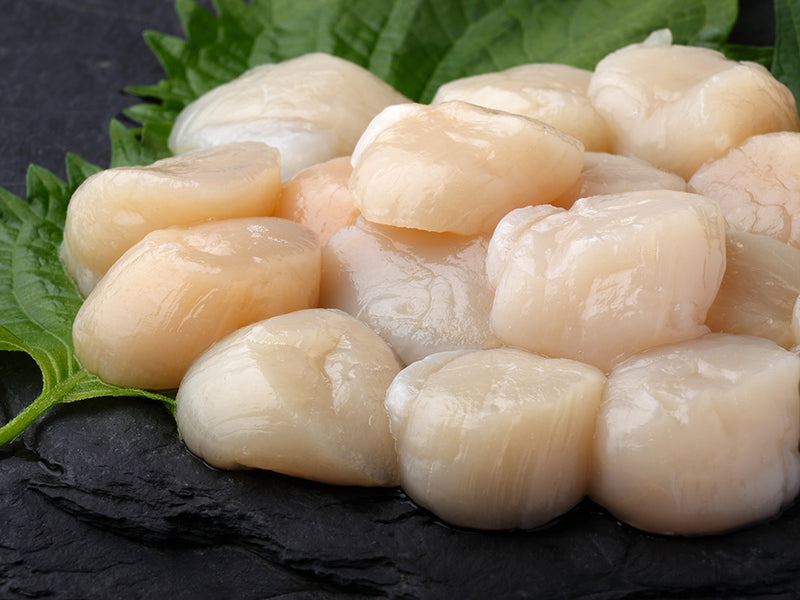
Scallop Size Chart Scallop Sizing Explained Fulton Fish Market

Queen Scallops
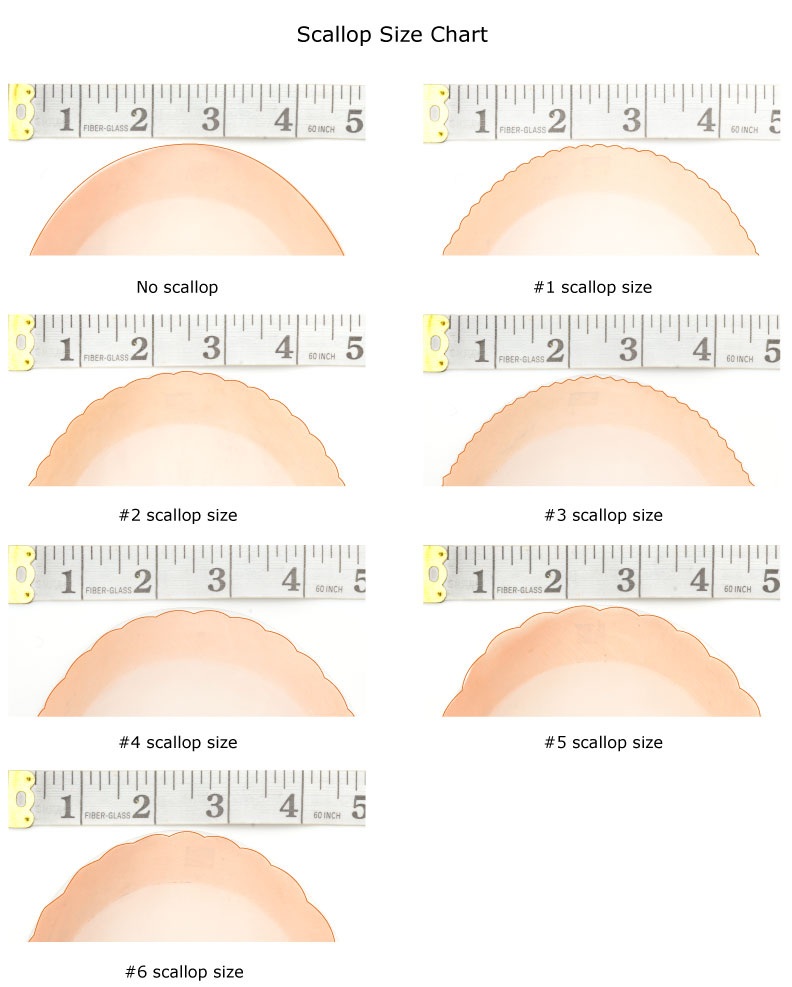
scallop size chart

Sellsheet_Sea_Scallops_Sizing_Chart_PS Sea scallops, Scallops, Chart
:max_bytes(150000):strip_icc()/buying-fresh-scallops-sizes-and-facts-995525_V2-e1edca322c924c07aaaf4acf83303693.png)
A Guide to Buying Fresh Scallops

PPT Seafood 101 Guide PowerPoint Presentation, free download ID1679830
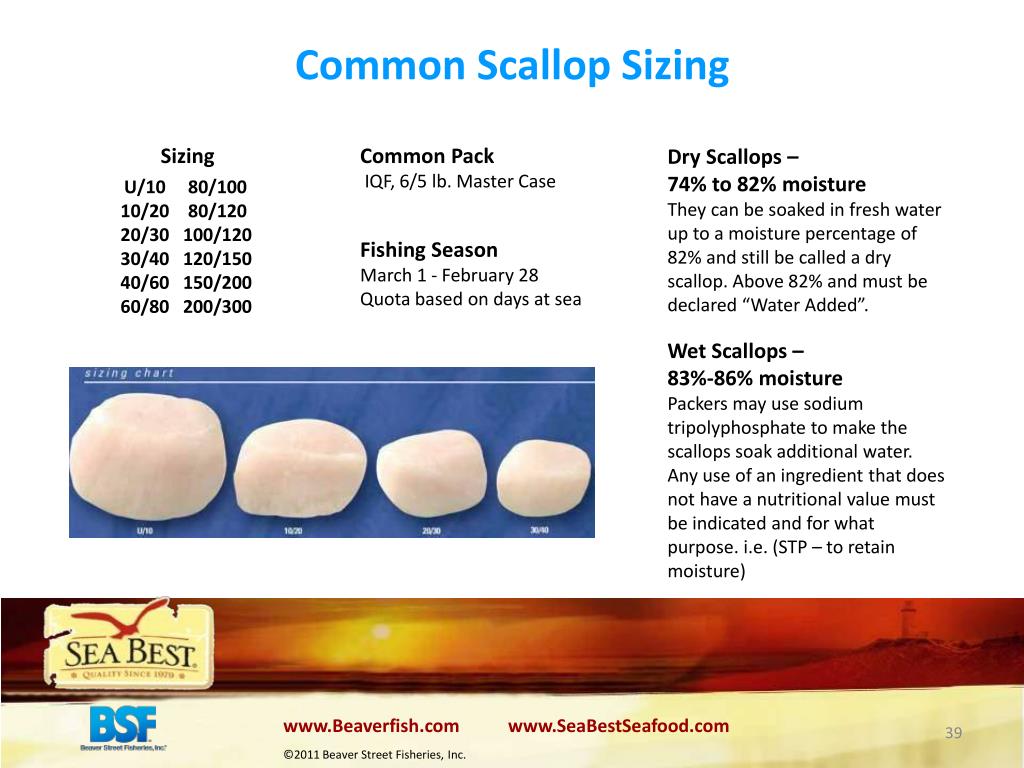
Sea Scallop Scallop Size Chart

Sea Scallop Scallop Size Chart

scallop size chart
Packages Of Fresh Or Frozen Sea Scallops Labeled As U/8, U/10, U/12, Or U/15 Are The Largest.
You Will Typically See A Range Indicating The Minimum And Maximum Count, Just As Shown In The Scallop Size Chart Above.
Designating Scallops As 20/30 Means That It Would Take Between 20 And 30 Of Them To Make Up A Pound.
Discover How To Make Informed Choices When Buying These Delectable Bivalves.
Related Post: