
Possessive Adjectives Spanish Chart
Possessive Adjectives Spanish Chart - Find out the difference between short. My is mi, or mis in the plural. Web learn the difference between short form and long form possessive adjectives in spanish, and how to use them correctly. It declares a person’s ownership of. Web possessive adjectives show who’s in possession of something. See examples, charts and tips for pronunciation and. See a chart of the forms and meanings of possessive adjectives, and practice your. Possessive adjectives are spanish words that help us identify who a noun belongs to. See the difference between the two forms and. Learn how to use spanish possessive adjectives to show ownership, such as mi, tu, su, nuestro, and más. Web spanish possessive adjectives are divided into two main types: Web learn how to use possessive adjectives to express ownership or possession in spanish. Web the stem of each different unstressed possessive adjective in spanish includes mi, tu, su, nuestro, vuestro, and su. Your (singular informal) is tu or tus. Su and sus can mean his, her, its,. Learn how to use spanish possessive adjectives to show ownership, such as mi, tu, su, nuestro, and más. See examples, charts and tips for pronunciation and. Web learn the eight possessive adjectives in spanish with charts, examples and tips. Web the short forms of adjectivos posesivos su, sus mean his, her, its, your or their. Web the spanish possessive adjective indicates who or what possesses or owns something, just like in english. Su and sus can mean his, her, its,. Web learn the difference between short form and long form possessive adjectives in spanish, and how to use them correctly. The context of the sentence will determine the person, item, idea the pronoun refers to. Table of spanish possessive adjectives. Web learn the eight possessive adjectives in spanish with charts, examples and. Web learn how to use possessive adjectives in spanish to show ownership or possession without repeating the same noun. Web the courses of language atlas. Your (singular informal) is tu or tus. See examples, charts and tips for pronunciation and. The spanish possessive adjectives agree with the object possessed. Web the courses of language atlas. It declares a person’s ownership of. Explore amazon devicesread ratings & reviewsdeals of the day There are also two different sets of. Web possessive adjectives show who’s in possession of something. Possessive adjectives are spanish words that help us identify who a noun belongs to. Web the courses of language atlas. Learn how to use spanish possessive adjectives to show ownership, such as mi, tu, su, nuestro, and más. Web the short forms of adjectivos posesivos su, sus mean his, her, its, your or their. Explore amazon devicesread ratings & reviewsdeals. Web by hola qué pasa / welcome to our grammar lesson on spanish possessive adjectives and pronouns (“adjetivos y pronombres posesivos”). Web learn the rules and examples of possessive adjectives in spanish, which indicate ownership or possession. My is mi, or mis in the plural. Web learn how to use possessive adjectives in spanish to show ownership or possession without. Each type serves its purpose and is used in different contexts to express. Web by hola qué pasa / welcome to our grammar lesson on spanish possessive adjectives and pronouns (“adjetivos y pronombres posesivos”). Web spanish possessive adjectives are divided into two main types: Your (singular informal) is tu or tus. Web the spanish possessive adjective indicates who or what. Web learn how to use possessive adjectives to express ownership or possession in spanish. Web learn the eight possessive adjectives in spanish with charts, examples and tips. Your (singular informal) is tu or tus. Su and sus can mean his, her, its,. It declares a person’s ownership of. My is mi, or mis in the plural. Web the spanish possessive adjective indicates who or what possesses or owns something, just like in english. Web the stem of each different unstressed possessive adjective in spanish includes mi, tu, su, nuestro, vuestro, and su. Table of spanish possessive adjectives. My, your, his, her, its, our and their (adjetivos posesivos) look. Web by hola qué pasa / welcome to our grammar lesson on spanish possessive adjectives and pronouns (“adjetivos y pronombres posesivos”). The context of the sentence will determine the person, item, idea the pronoun refers to. Web the short forms of adjectivos posesivos su, sus mean his, her, its, your or their. Web possessive adjectives in spanish: Web learn the. Web learn how to use possessive adjectives to express ownership or possession in spanish. See a chart of the forms and meanings of possessive adjectives, and practice your. Web possessive adjectives show who’s in possession of something. It declares a person’s ownership of. Find out the difference between short. Web possessive adjectives show who’s in possession of something. The context of the sentence will determine the person, item, idea the pronoun refers to. Web learn the difference between short form and long form possessive adjectives in spanish, and how to use them correctly. There are also two different sets of. It declares a person’s ownership of. The spanish possessive adjectives agree with the object possessed. Su and sus can mean his, her, its,. Web in spanish there are different forms of possessive adjectives depending on whether the noun is masculine or feminine, singular or plural. Find out when to use definite or indefinite articles, prepositional phrases and lo with possessive pronouns. See the difference between the two forms and. Web the courses of language atlas. Learn how to use spanish possessive adjectives to show ownership, such as mi, tu, su, nuestro, and más. My, your, his, her, its, our and their (adjetivos posesivos) look at this table to learn about adjetivo posesivo in spanish. See a chart of the forms and meanings of possessive adjectives, and practice your. Your (singular informal) is tu or tus. My is mi, or mis in the plural.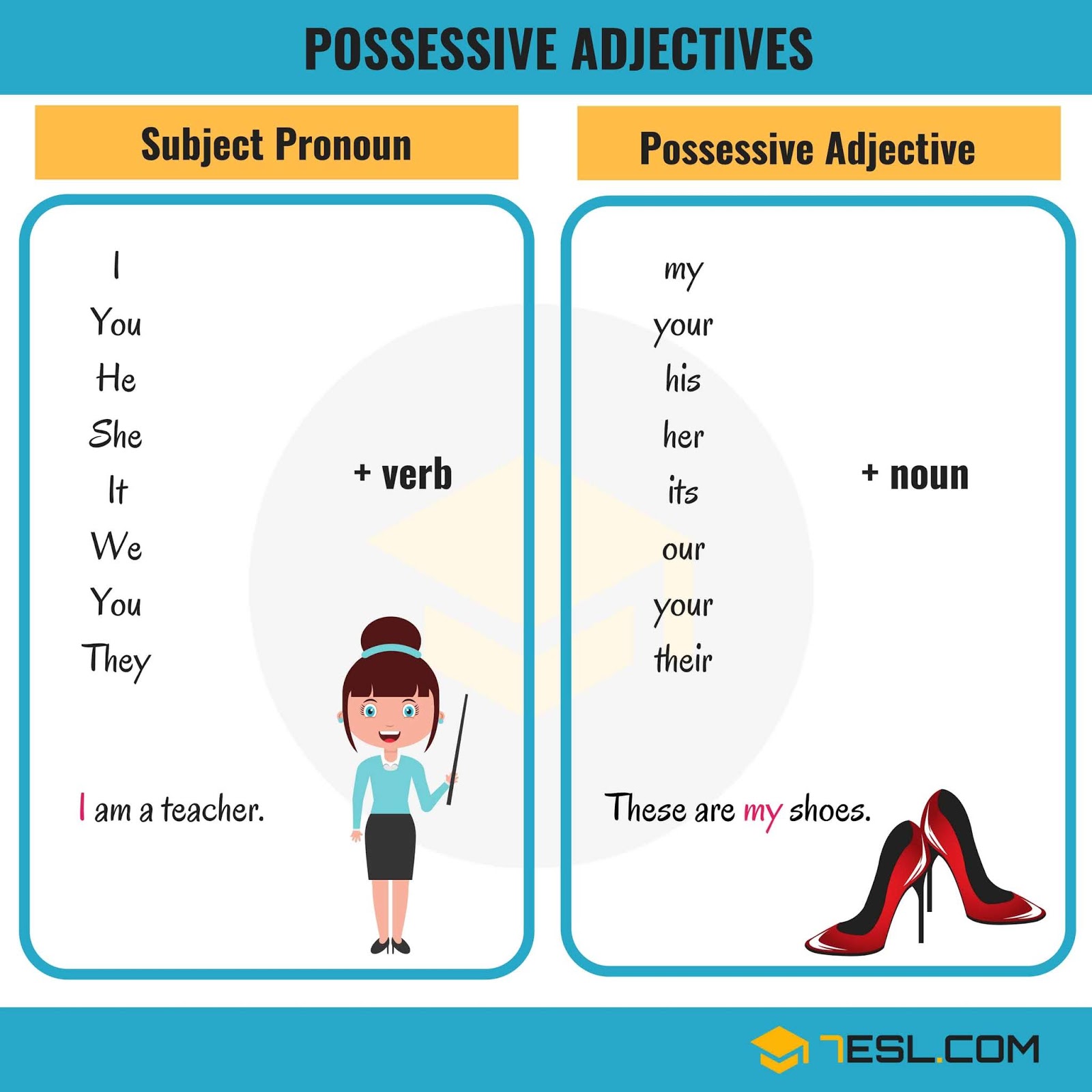
Possessive Adjectives In Spanish Chart
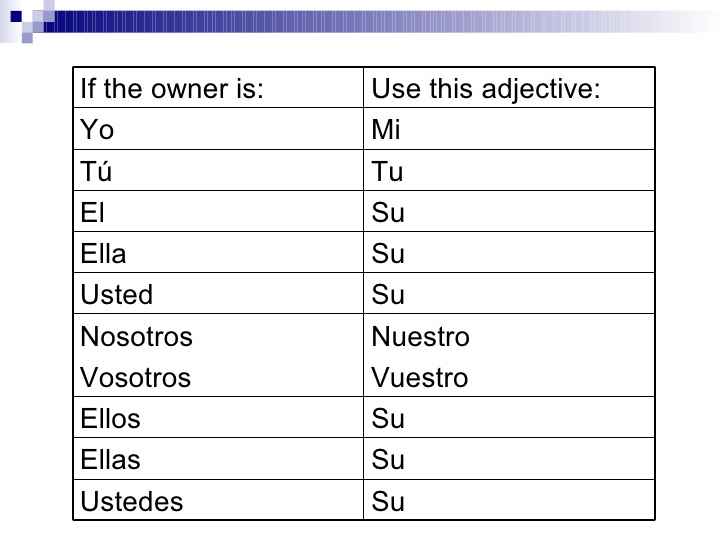
Possessive Adjectives Chart In Spanish

Possessive Adjectives Chart In Spanish

Possessive Adjectives Spanish Chart

Basic guide to Spanish demonstratives and possessives Medita Spanish

Possessives In Spanish Using De Possessive Adjectives vrogue.co

Possessive Adjectives Spanish Chart
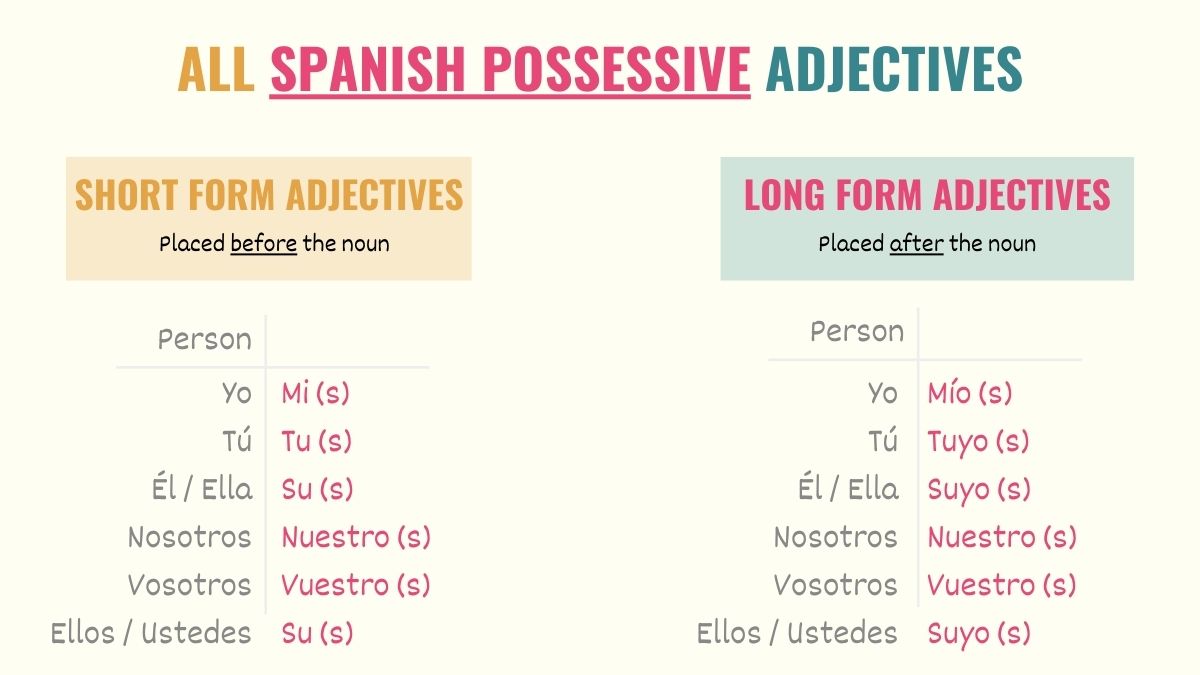
Spanish Possessive Adjectives A Simple & Definitive Guide

Possessive Adjectives Chart Spanish

Possessive Adjectives In Spanish Chart
Web The Spanish Possessive Adjective Indicates Who Or What Possesses Or Owns Something, Just Like In English.
Web The Short Forms Of Adjectivos Posesivos Su, Sus Mean His, Her, Its, Your Or Their.
Find Out The Difference Between Short.
Web Learn The Rules And Examples Of Possessive Adjectives In Spanish, Which Indicate Ownership Or Possession.
Related Post: