
Lab Grown Diamond Clarity Chart
Lab Grown Diamond Clarity Chart - All assements are done under 10x magnification. Gain insights into selecting the ideal clarity grade tailored to your budget and lifestyle needs. Web both natural and laboratory grown diamonds come in many shapes, sizes, and colors. Color and clarity specification are described on the same scale as the gia diamond grading report for natural diamonds, but do not correlate to nature’s continuum of rarity. Web diamond clarity is measured on a scale from flawless (fl) or internally flawless (if) to included (i1, i2, and i3). Clarity isn’t just about the number of inclusions. Web igi clarity grades explained. No matter how lab grown diamonds are formed, they can get inclusions. These are the blemishes that reside on a diamond’s surface and the inclusions which are internal characteristics. If, vvs1, vvs2, vs1, vs2, si1, si2, i1, i2, i3. Web the diamond clarity chart. Well, we’ve got you covered! If, vvs1, vvs2, vs1, vs2, si1, si2, i1, i2, i3. Each of these characteristics are plotted on a diamond diagram that is included on the diamond's grading certificate. Gain insights into selecting the ideal clarity grade tailored to your budget and lifestyle needs. The gemological institute of america (gia) developed the now widely accepted standard for determining diamond clarity grade. The clarity scale consists of eleven unique clarity grades divided into six categories. Web the diamond clarity chart is a tool used by diamond graders to classify diamonds based on the number, size, color, and position of clarity characteristics. Web learn what diamond clarity is and how it affects a diamond's quality and price. This report includes a full 4cs assessment with a plotted clarity diagram. Clarity isn’t just about the number of inclusions. Web the diamond clarity chart. Web learn what diamond clarity is and how it affects a diamond's quality and price. Web the diamond clarity scale provides a standardized way to assess and communicate the clarity of diamonds, ensuring transparency and consistency in the diamond industry. Web diamond clarity is measured on a. We use the four c's (color, cut, clarity, and carat) to assess the quality of diamonds. Each of these characteristics are plotted on a diamond diagram that is included on the diamond's grading certificate. How is a diamond’s clarity grade is determined? Gain insights into selecting the ideal clarity grade tailored to your budget and lifestyle needs. All assements are. No matter how lab grown diamonds are formed, they can get inclusions. Web which clarity is best for your lab diamond? Check out our lab diamond clarity guide for expert insights on clarity grades and buying tips. All diamonds can receive precise grades for color, cut, clarity, and carat. Gain insights into selecting the ideal clarity grade tailored to your. What to look for in lab grown diamond clarity? Clarity isn’t just about the number of inclusions. All assements are done under 10x magnification. Gain insights into selecting the ideal clarity grade tailored to your budget and lifestyle needs. These are the blemishes that reside on a diamond’s surface and the inclusions which are internal characteristics. A lab grown diamond clarity comparison chart mirrors the grades given to natural diamonds. Understanding the cut, color, clarity, and carat of a diamond can help you choose the one that suits your lifestyle and budget. What to look for in lab grown diamond clarity? The clarity scale consists of eleven unique clarity grades divided into six categories. Lab grown. Gain insights into selecting the ideal clarity grade tailored to your budget and lifestyle needs. Web the diamond clarity chart is a tool used by diamond graders to classify diamonds based on the number, size, color, and position of clarity characteristics. Web explore the intricacies of diamond clarity and uncover how the diamond clarity scale can be used to assess. All diamonds can receive precise grades for color, cut, clarity, and carat. Clarity isn’t just about the number of inclusions. We use the four c's (color, cut, clarity, and carat) to assess the quality of diamonds. The gemological institute of america (gia) developed the now widely accepted standard for determining diamond clarity grade. Let's review the classic four cs of. Web learn what diamond clarity is and how it affects a diamond's quality and price. These clarity characteristics are evaluated using the same universally recognized scale and terms as those of natural diamonds — with the number, size, relief, nature. No matter how lab grown diamonds are formed, they can get inclusions. Web explore the intricacies of diamond clarity and. Lab grown color comparison will help you to understand certified color grading. Web igi clarity grades explained. Web both natural and laboratory grown diamonds come in many shapes, sizes, and colors. Gain insights into selecting the ideal clarity grade tailored to your budget and lifestyle needs. These grades indicate the level of any internal and external diamond flaws. Each of these characteristics are plotted on a diamond diagram that is included on the diamond's grading certificate. Lab grown color comparison will help you to understand certified color grading. Web visit with clarity guide to understand lab diamond color in detail. No matter how lab grown diamonds are formed, they can get inclusions. All diamonds can receive precise grades. Web visit with clarity guide to understand lab diamond color in detail. Web diamond clarity is measured on a scale from flawless (fl) or internally flawless (if) to included (i1, i2, and i3). Color and clarity specification are described on the same scale as the gia diamond grading report for natural diamonds, but do not correlate to nature’s continuum of rarity. What to look for in lab grown diamond clarity? A lab grown diamond clarity comparison chart mirrors the grades given to natural diamonds. Web learn what diamond clarity is and how it affects a diamond's quality and price. Web lab grown diamonds and clarity. Web the diamond clarity chart. Gain insights into selecting the ideal clarity grade tailored to your budget and lifestyle needs. While inclusions are formed naturally when diamonds are created under huge pressure, they are also formed during the lab grown diamond process. This report includes a full 4cs assessment with a plotted clarity diagram. Let's review the classic four cs of diamond grading. Continue reading to explore diamond color, color scale and how to select a lab grown diamond's color. No matter how lab grown diamonds are formed, they can get inclusions. Each of these characteristics are plotted on a diamond diagram that is included on the diamond's grading certificate. Web the diamond clarity chart is a tool used by diamond graders to classify diamonds based on the number, size, color, and position of clarity characteristics.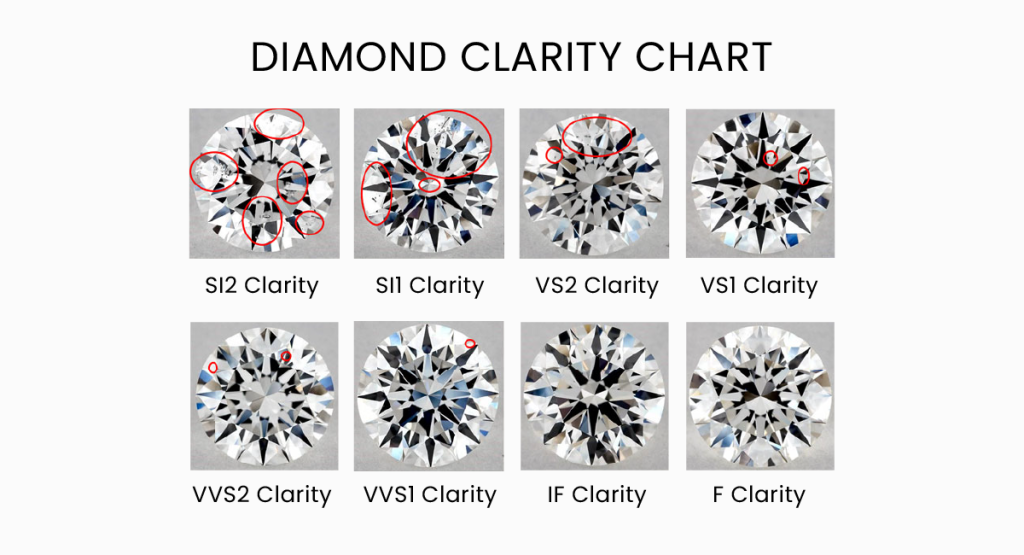
Diamond Clarity Scale Find out What Makes a Diamond Truly Exceptional
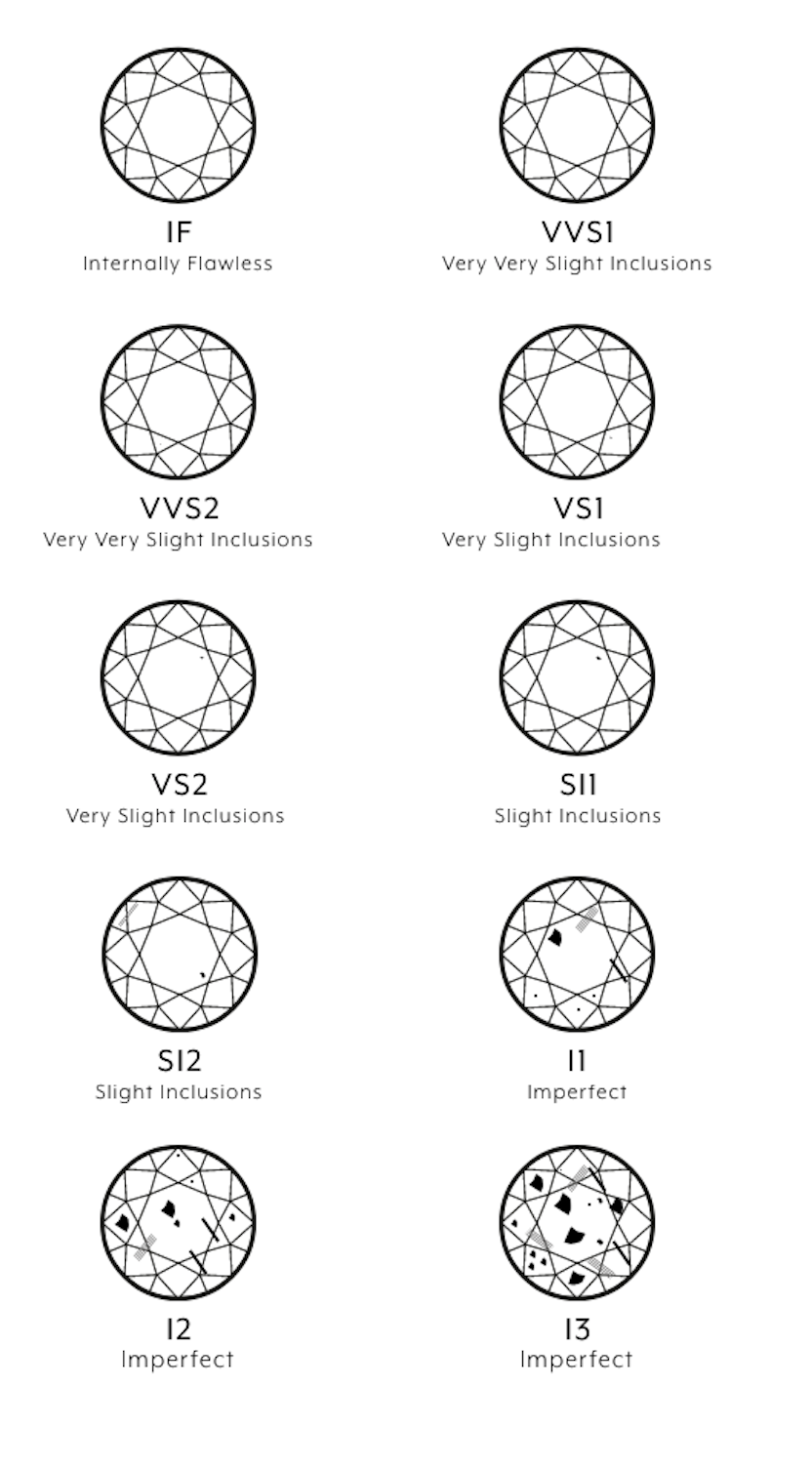
The 4cs of lab diamonds charts and guide Novita Diamonds
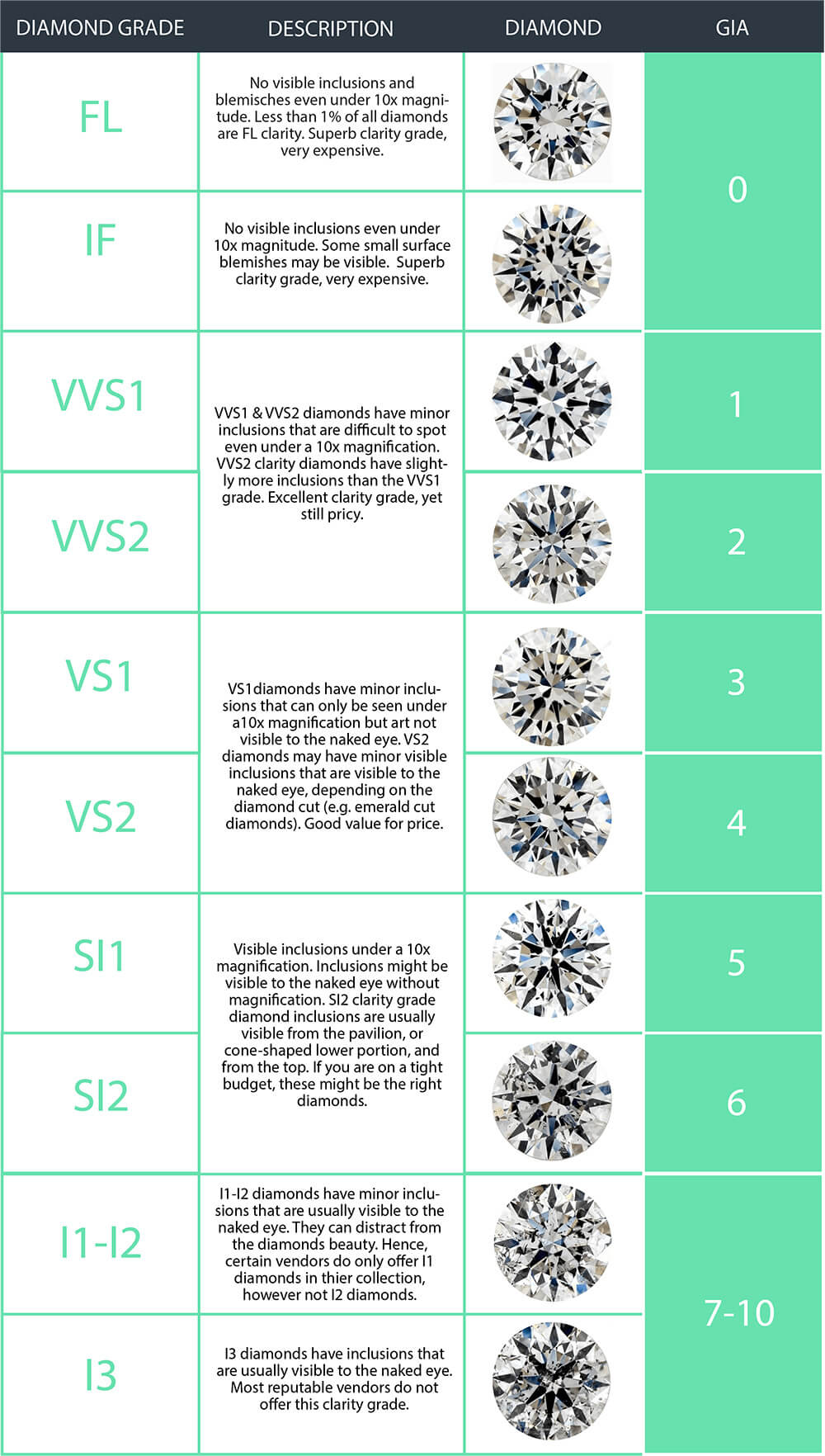
Lab Diamond Clarity Chart
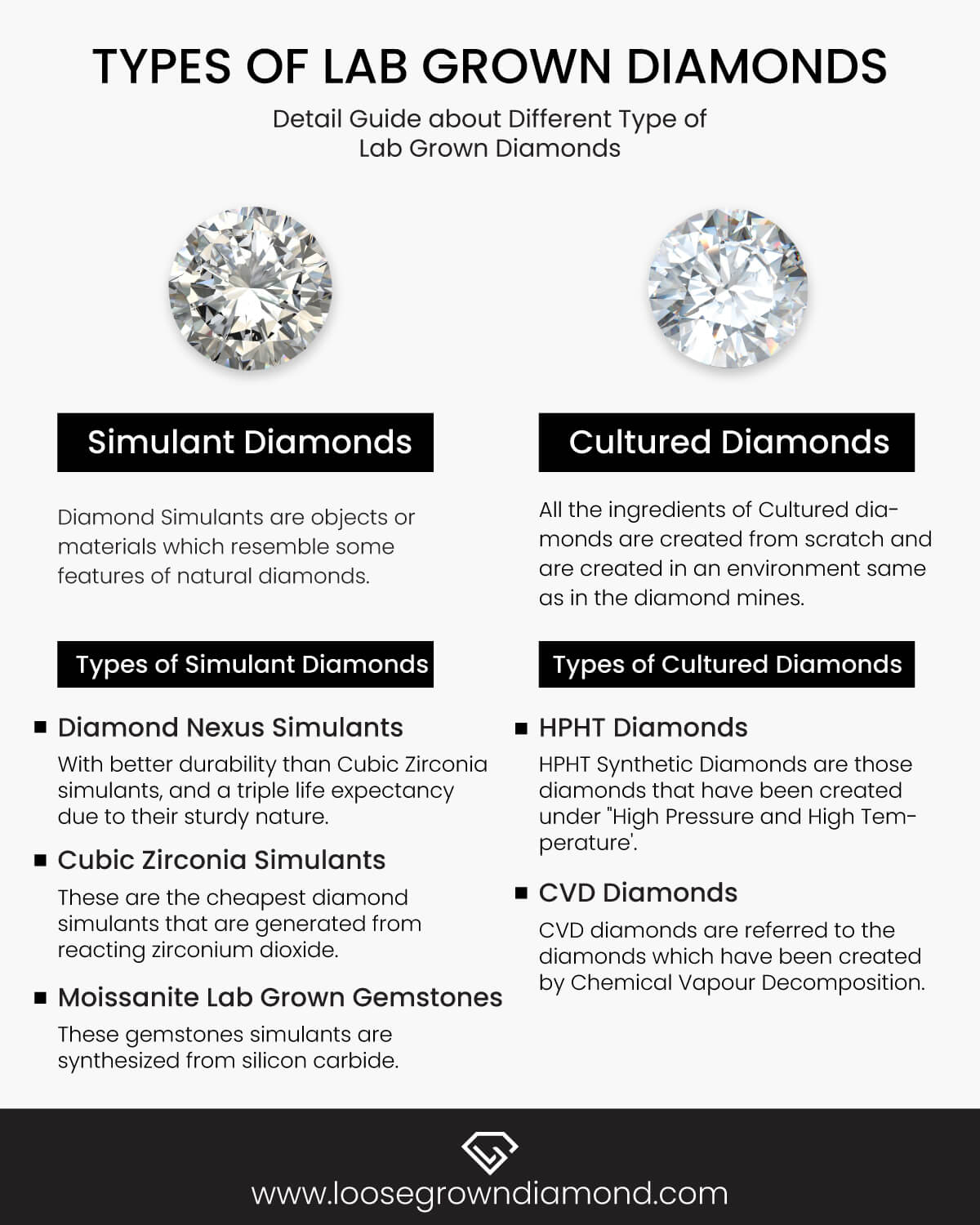
Different Types of Lab Grown Diamonds A Complete Guide

Diamond Clarity Guide Grading Scale and Advice Fultons Jewellery
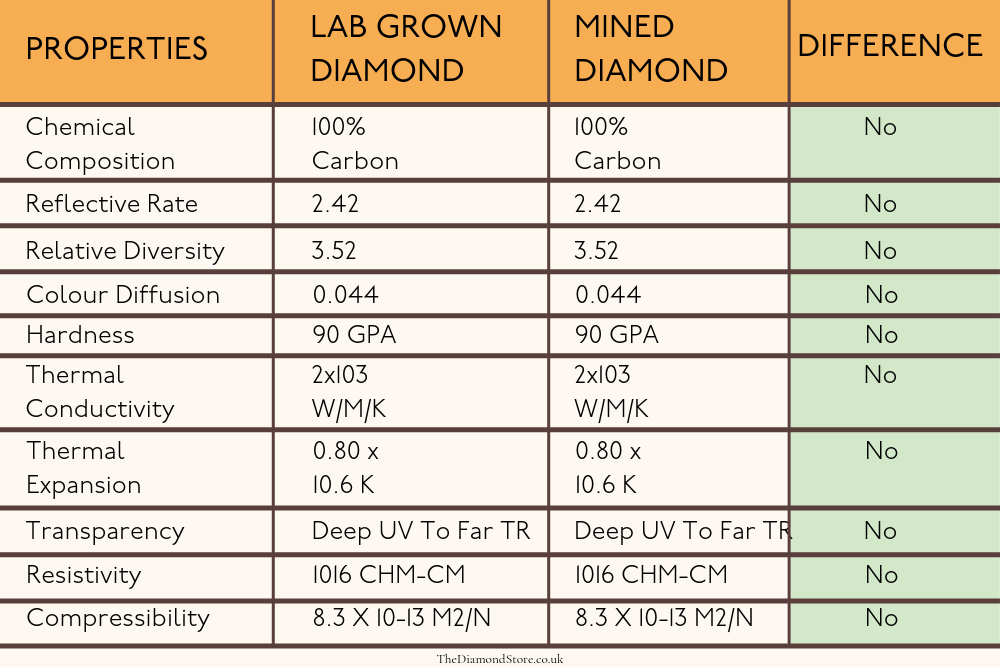
What Are Lab Grown Diamonds? Everything You Need to Know The Diamond
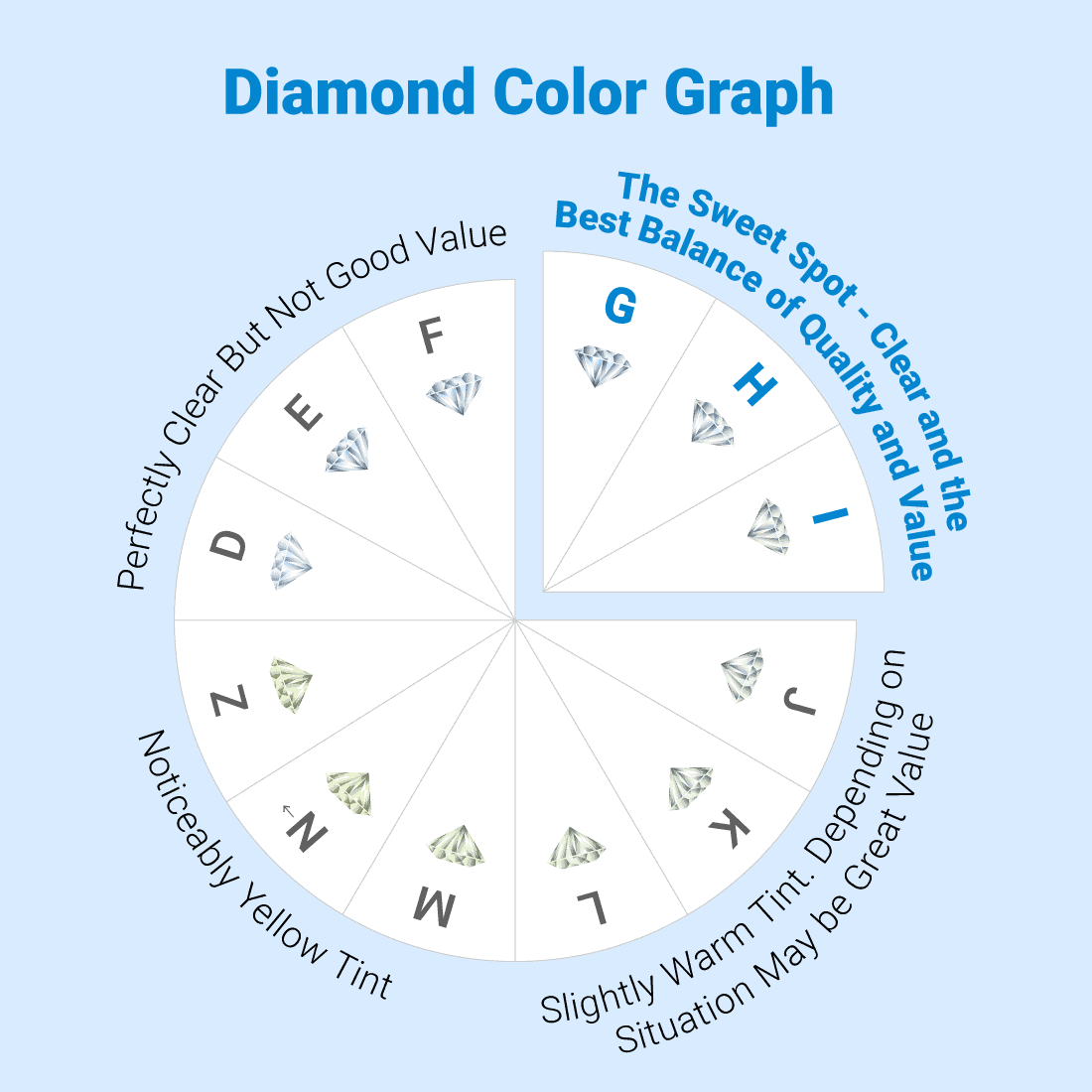
Affordable 1 Carat LabGrown Diamond Prices Ultimate Guide

Lab Grown Diamond Size Chart
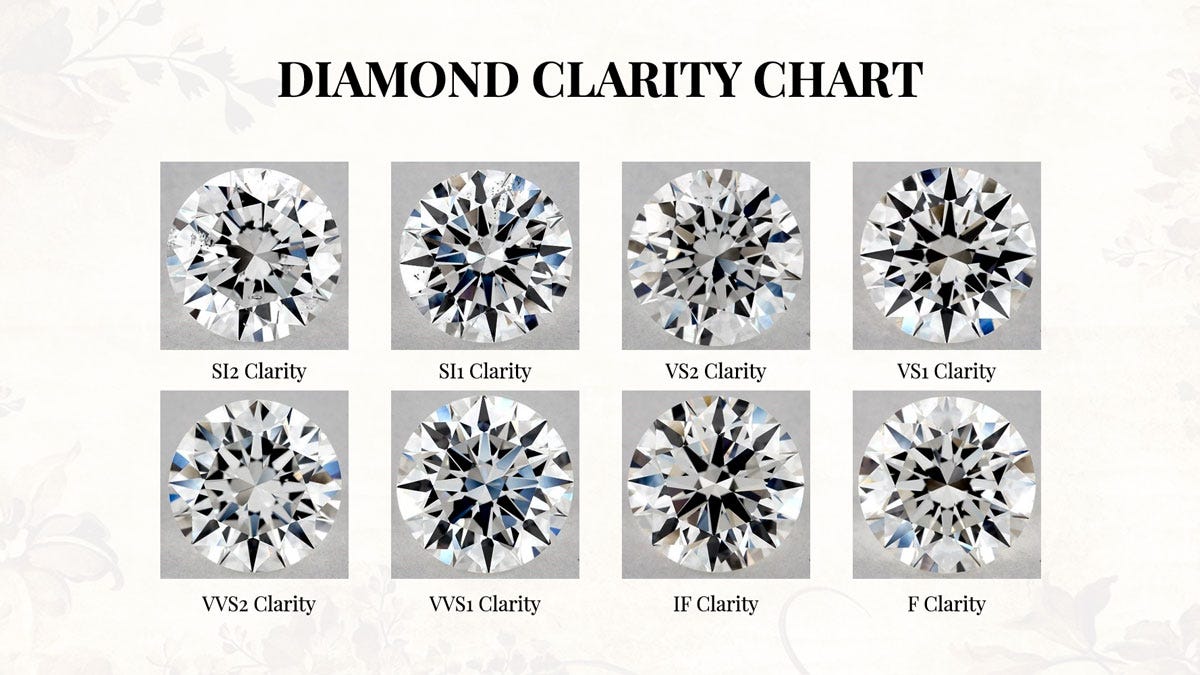
Understanding the Diamond Clarity Grading Scale by The Edgy Marketers

Diamond Clarity Comparison
Web The Diamond Clarity Scale Provides A Standardized Way To Assess And Communicate The Clarity Of Diamonds, Ensuring Transparency And Consistency In The Diamond Industry.
Web A Plotting Diagram Is A Map Of A Diamond’s Clarity Characteristics.
The Clarity Scale Consists Of Eleven Unique Clarity Grades Divided Into Six Categories.
If, Vvs1, Vvs2, Vs1, Vs2, Si1, Si2, I1, I2, I3.
Related Post: