
Hair Color Developer Chart
Hair Color Developer Chart - Web the choosing the correct developer to use for your desired results is crucial to getting the color you want. Web find out how to navigate hair color levels and dye charts in our comprehensive guide. Most formulas of hair colors work with developers volume 10, 20, 30 and 40 in general and the effects are as. Have you ever wondered why there are two parts to your permanent hair color and why they only start working when you mix them together? Known to be the strongest developer that makes the biggest impact, 40 volume lifts up to four levels and lightens hair quickly. Whether you’re dealing with gray coverage, finer hair or clients seeking a dramatic color change, we’ve got you covered. Proper technique will help you achieve the desired color with ease, and that’s what we all want in the end. Doing a strand test before coloring your hair. If you have thick hair, you can use a stronger developer, such as a 30 or 40 volume. Web the hair color chart suggests the appropriate developer strength based on your desired shade and starting hair color. Doing a strand test before coloring your hair. Web develop a solid understanding of how to properly gauge developer amounts based on hair specifics and desired results. Get our expert advice on choosing the right products and proportions to use. 40 volume is recommended to be used with high lift blondes. Web level 20 developer is used for changes in hair color from one to two shades. Frequently asked questions (faqs) how does hair porosity affect the outcome of hair coloring and how can one adjust the coloring process to accommodate different porosity levels? Web if you have thin hair, you should use a weaker developer, such as a 10 or 20 volume. The higher the number is the stronger the developer is and it therefore more lightens hair. Have you ever wondered why there are two parts to your permanent hair color and why they only start working when you mix them together? For example, in better natured® permanent hair color, the ratio is 1:1, that means you should use one part hair dye to one part developer. The force/concentration of developer is expressed in percentage (%) or units of volume (vol.). Web if you are planning on coloring your hair at home, refer to this guide first to learn all about the correct hair color to developer ratio you have to keep in mind for best results. Web a developer is the oxidizing agent which opens the. For example, in better natured® permanent hair color, the ratio is 1:1, that means you should use one part hair dye to one part developer. Get our expert advice on choosing the right products and proportions to use. The force/concentration of developer is expressed in percentage (%) or units of volume (vol.). If you have thick hair, you can use. Web in this guide, we will explore the world of hair color developers and shed light on what they are, how they work and when to use each specific volume level. Get our expert advice on choosing the right products and proportions to use. The force/concentration of developer is expressed in percentage (%) or units of volume (vol.). Hair color. Common developer strengths include 10 volumes (for depositing color), 20 volumes (for lifting and coloring), and 30 volumes (for more significant lightening). Keep in mind that the type of hair color you’re using will also play a role in which developer you should use. Web using a hair developer is critical to achieving your perfect dye job, and the best. 40 volume is recommended to be used with high lift blondes. In this article, we’ll walk you through choosing the right hair developer and using it with hair dye, so you can rest easy and do your hair at home with confidence. Web level 20 developer is used for changes in hair color from one to two shades. From uneven. Developer, also known as an activator or even peroxide for short, is mixed with bleach or dye to lighten or color hair. When using b (blue), v (violet), r (red) or rr (red red) shade on over 50% gray, mix with equal parts of an agebeautiful n (neutral) shade of the same level for optimal gray coverage. Web if you. Hair color developers a very complex term in hair coloring landscape from different types of hair color developers to choosing the right one for you. Web if you are planning on coloring your hair at home, refer to this guide first to learn all about the correct hair color to developer ratio you have to keep in mind for best. Web develop a solid understanding of how to properly gauge developer amounts based on hair specifics and desired results. Web it is recommended to use 20 volume developer for optimum gray coverage. Hair color developers a very complex term in hair coloring landscape from different types of hair color developers to choosing the right one for you. Known to be. Frequently asked questions (faqs) how does hair porosity affect the outcome of hair coloring and how can one adjust the coloring process to accommodate different porosity levels? Web here are the rules for developer choice when going lighter using regular professional color: How to mix hair dye colors. The force/concentration of developer is expressed in percentage (%) or units of. In general, the ratio between hair dye and developer is 1:1, which means you’ll need equal measurements for both dye and developer. For example, in better natured® permanent hair color, the ratio is 1:1, that means you should use one part hair dye to one part developer. Web when you're ready to color your hair, you'll need to mix the. Hair color developers a very complex term in hair coloring landscape from different types of hair color developers to choosing the right one for you. Web volume 40 developer. Web the first thing to figure out is the amount of dye to cover your hair fully. Web in this guide, we will explore the world of hair color developers and shed light on what they are, how they work and when to use each specific volume level. Web a developer is the oxidizing agent which opens the hair cuticle so that the color can penetrate into our hair. Web what is a hair color mixing chart? Web the hair color chart suggests the appropriate developer strength based on your desired shade and starting hair color. The force/concentration of developer is expressed in percentage (%) or units of volume (vol.). Web if you are planning on coloring your hair at home, refer to this guide first to learn all about the correct hair color to developer ratio you have to keep in mind for best results. Can you mix two box dyes together at home? Can you mix levels of hair color? Get our expert advice on choosing the right products and proportions to use. Developer, also known as an activator or even peroxide for short, is mixed with bleach or dye to lighten or color hair. Most formulas of hair colors work with developers volume 10, 20, 30 and 40 in general and the effects are as. Known to be the strongest developer that makes the biggest impact, 40 volume lifts up to four levels and lightens hair quickly. The next level to developer is level 30.
Hair Color Developer Chart

Ion Hair Color Developer Chart Labb by AG
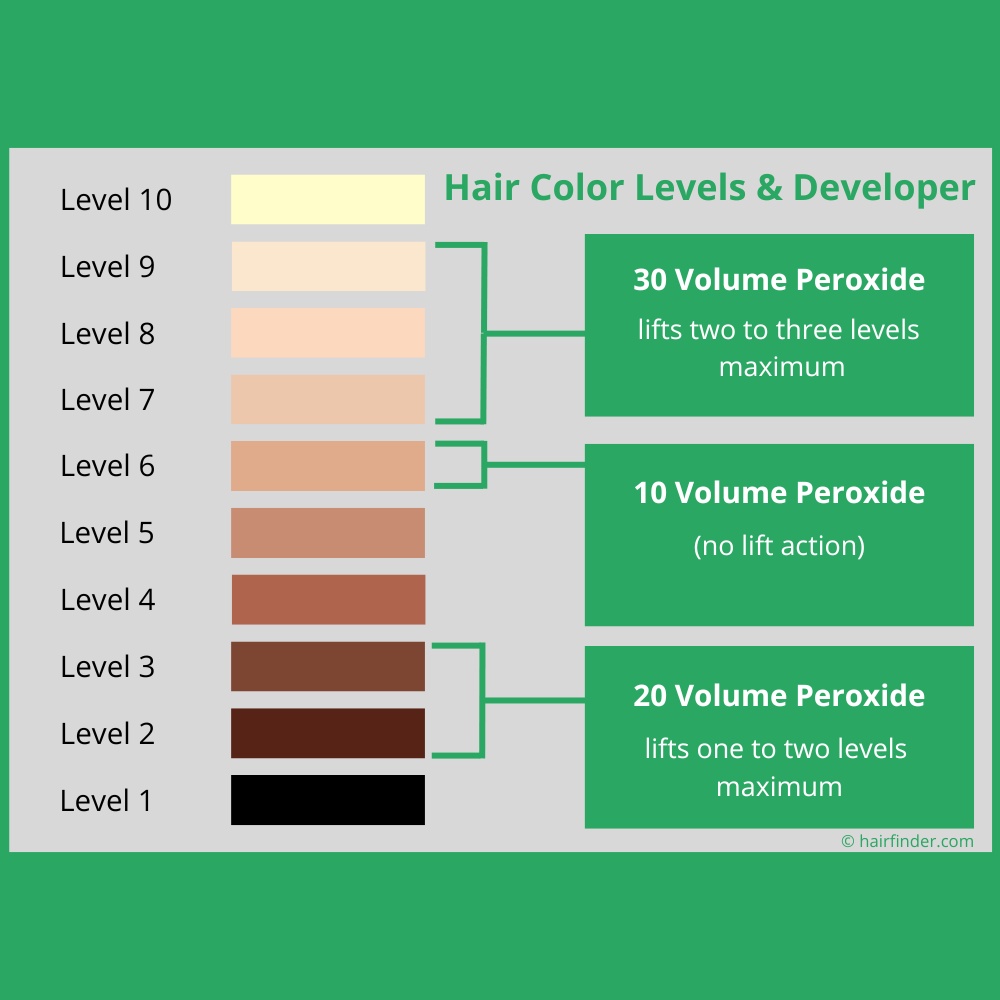
Hair Color Levels Peroxide Developer Lighteners

What Do The Numbers Mean In Hair Color Developer The Best Developer
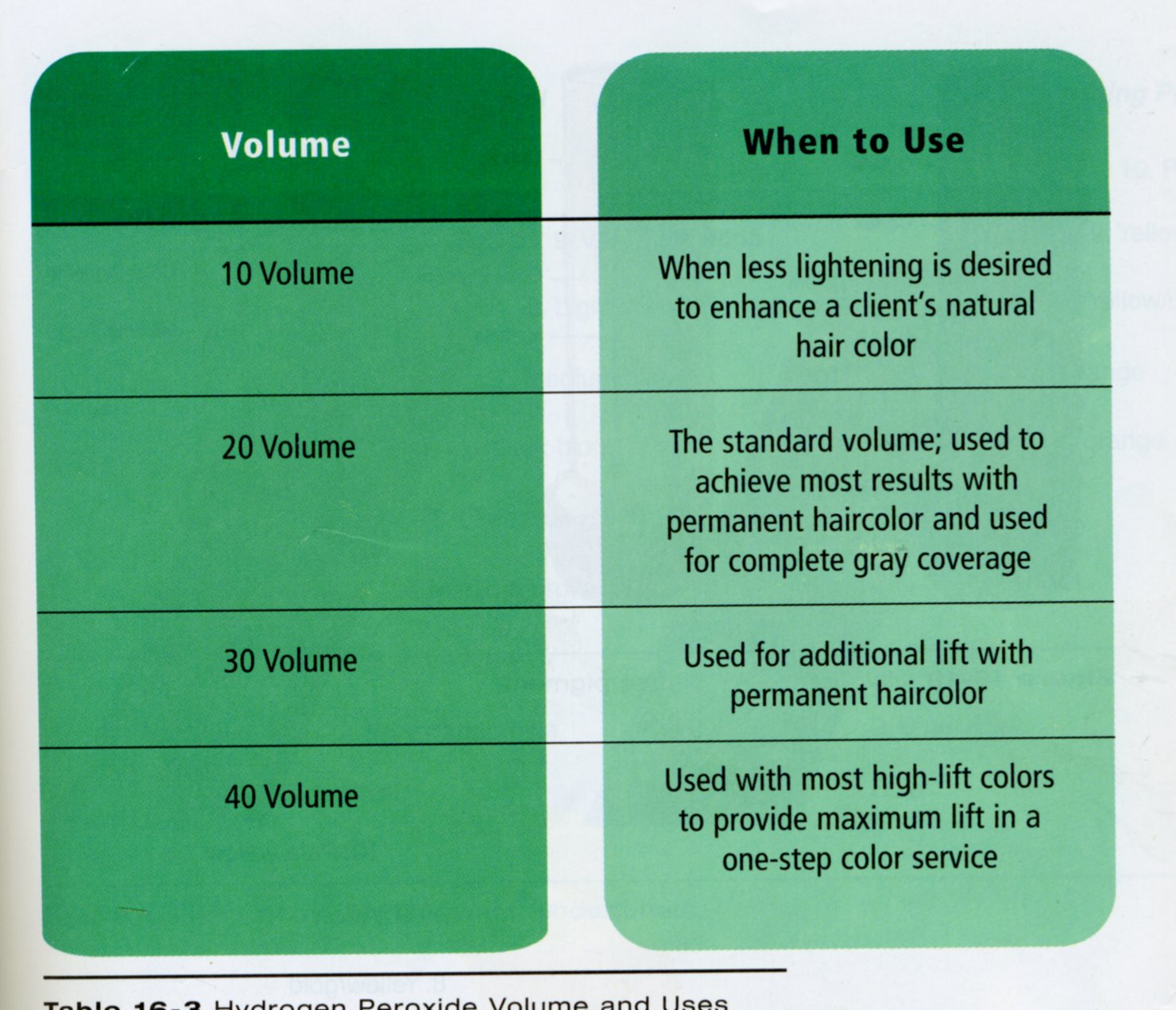
Haircolor's Best Friend Developer Killerstrands Hair Clinic

Hair Color Levels and Different Volumes of Developers WunderKult

The Unknown Beauty Blog Part 5 Haircolor Formulas and the Developer

What Volume Developer Should I Use? Yellow hair, Hair color

Hair Color Developer Chart
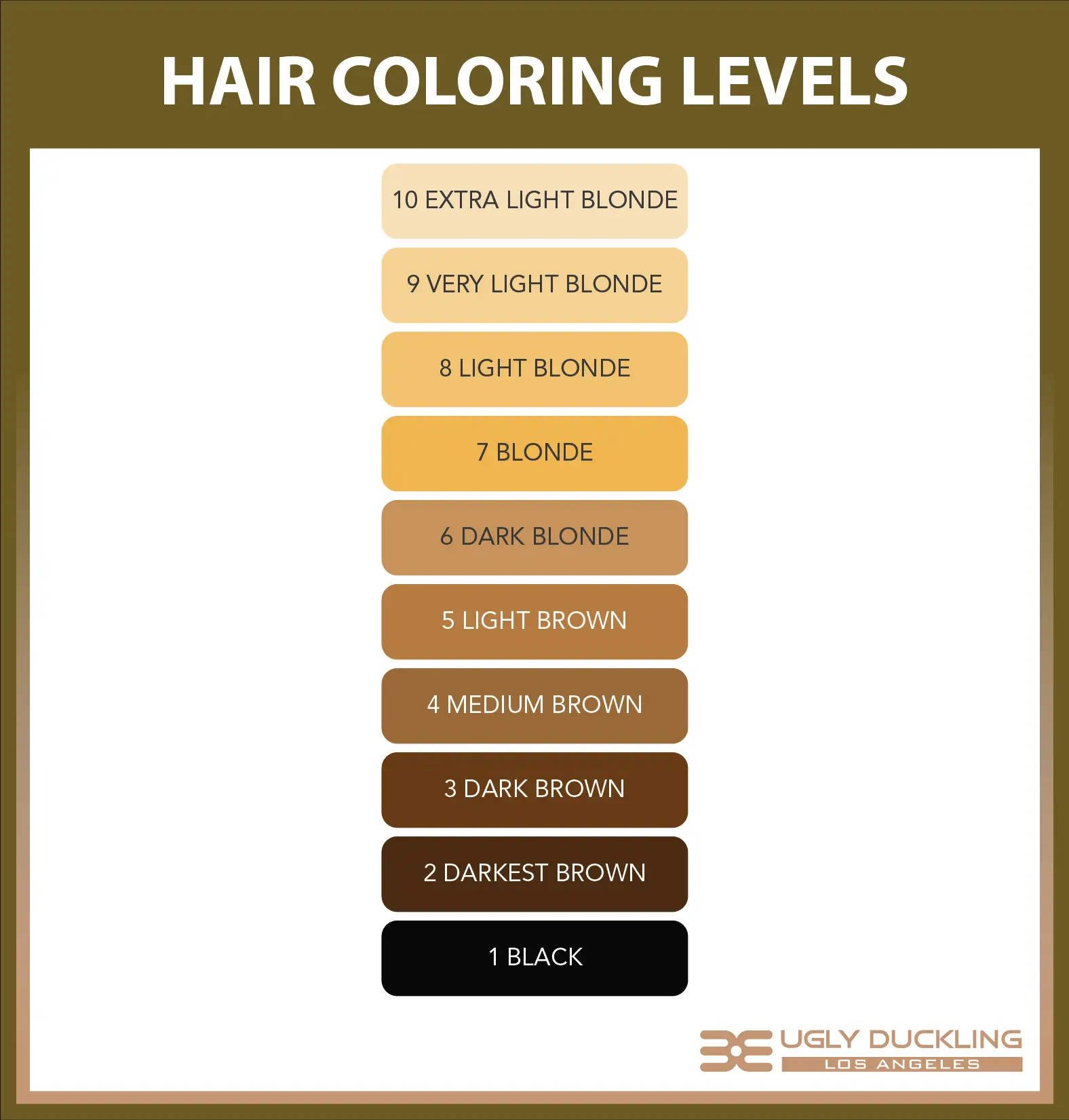
How to Color Hair Professionally A StepbyStep Guide for Stylists (2022)
For Example, In Better Natured® Permanent Hair Color, The Ratio Is 1:1, That Means You Should Use One Part Hair Dye To One Part Developer.
Web Posted On 11Th November 2018.
Frequently Asked Questions (Faqs) How Does Hair Porosity Affect The Outcome Of Hair Coloring And How Can One Adjust The Coloring Process To Accommodate Different Porosity Levels?
Web Level 20 Developer Is Used For Changes In Hair Color From One To Two Shades.
Related Post: