
Gem Hardness Chart
Gem Hardness Chart - Web the mohs hardness scale measures the relative hardness of gemstones, as determined by their scratch hardness (the resistance of a mineral when scratched with a pointed testing object.) the diamond is the hardest natural gemstone in the world and measures a ten on the hardness scale. Gems are minerals that occur naturally, forming in crystalline structures, which create varying levels of strength. Diamond is the only mineral with a value of 10, being the hardest mineral. Here's how the most common gemstones rank: Web gemstone hardness measures resistance to scratching. Web the hardest gemstones (diamonds, rubies and sapphires) get a rating closer to 10 on the mohs scale, while the softer gemstones (amber, chrysocolla and pearl) are placed closer to 1 (see the entire mohs index above). The mohs hardness test is one of the most important tests for identifying mineral specimens. Web learn more about which gemstones are harder than others, thanks to gems by mail! Web the mohs hardness scale and chart for select gems the mohs hardness scale measures a mineral's resistance to scratching. Gems are graded on the mohs hardness scale, which rates each gem's scratch resistance on a scale of 1 to 10. Hardness is the resistance to scratching of a smooth surface. Learn how hardness and other factors contribute to a gem's wearability. Web the softest mineral that features on the scale is talc at 1, and everyday objects of hardness such as pencil lead (1.5), finger nails (2.5) and window glass (5.5) can help you get a true value of the scale. Mohs hardness scale, a system founded by friedrich mohs in 1812, is a type of chart used to test and contrast the hardness of different minerals. Web the mohs scale of hardness. The mohs scale (pronounced moze) rates the hardness of gems and minerals. Web learn more about which gemstones are harder than others, thanks to gems by mail! Web the following table lists the specific gravity values for a variety of materials commonly found in gem and jewelry collections, as well as for some materials more rarely encountered. Web the mohs scale describes how hard a gemstone is based on scratch resistance. Web a guide to gemstone hardness and the mohs scale. Web the mohs scale describes how hard a gemstone is based on scratch resistance. Web the mohs hardness scale measures a mineral's resistance to scratching. Web the mohs scale of hardness is a scale from one to 10 (10 being the hardest) with its foundation using 10 different common minerals and gem materials of differing hardness representing each of those. Web the mohs hardness scale and chart for select gems ·. Find each mineral’s hardness in this guide! Hardness has little use to the gemologist, since gems are not normally scratched as a part of gem testing. It’s important for gem cutting, identification, and protection. Web the following table lists the specific gravity values for a variety of materials commonly. Web the hardest gemstones (diamonds, rubies and sapphires) get a rating closer to 10 on the mohs scale, while the softer gemstones (amber, chrysocolla and pearl) are placed closer to 1 (see the entire mohs index above). Web a complete hardness chart of popular gemstones. Gems are graded on the mohs hardness scale, which rates each gem's scratch resistance on. In an overview of this concept of hardness, discover our guide to the mohs scale: Gems are graded on the mohs hardness scale, which rates each gem's scratch resistance on a scale of 1 to 10. Find the traditional scale here and a chart of select gems ordered by hardness. Web the mohs scale helps to identify how durable a. The more durable a gem is, the more suitable it is for use in frequently worn jewelry. Perfect for geologists, gem enthusiasts and curious minds. Find each mineral’s hardness in this guide! Web the mohs hardness scale measures the relative hardness of gemstones, as determined by their scratch hardness (the resistance of a mineral when scratched with a pointed testing. But even using the girdle of a gem. The history of its creation by a mineralogist and geologist, how it was so useful for early miners, and an illustrated chart that shows the breakdown for easy reference. Web the mohs hardness scale measures a mineral's resistance to scratching. The mohs scale is used worldwide to understand the hardness of stones.. The mohs hardness test is one of the most important tests for identifying mineral specimens. Web although there are many methods and systems used to gauge a material’s hardness, the most common of these is the mohs hardness scale. Web the softest mineral that features on the scale is talc at 1, and everyday objects of hardness such as pencil. The mohs scale (pronounced moze) rates the hardness of gems and minerals. Web a guide to gemstone hardness and the mohs scale. Mohs hardness scale, a system founded by friedrich mohs in 1812, is a type of chart used to test and contrast the hardness of different minerals. Web the mohs hardness scale and chart for select gems the mohs. Web to be considered a true “gemstone”, a jewel must have a certain “gemstone hardness”. Web the mohs scale describes how hard a gemstone is based on scratch resistance. Gems are minerals that occur naturally, forming in crystalline structures, which create varying levels of strength. The history of its creation by a mineralogist and geologist, how it was so useful. Each mineral has its own hardness value. The mohs hardness scale measures a mineral's resistance to being scraped by ten different reference minerals. Web the mohs hardness scale measures the relative hardness of gemstones, as determined by their scratch hardness (the resistance of a mineral when scratched with a pointed testing object.) the diamond is the hardest natural gemstone in. Gems are minerals that occur naturally, forming in crystalline structures, which create varying levels of strength. Learn how hardness and other factors contribute to a gem's wearability. Gem hardness is the most broadly discussed measure of a gem's durability. Each mineral has its own hardness value. It’s important for gem cutting, identification, and protection. Hardness is the resistance to scratching of a smooth surface. Web all gemstones have differing levels of hardness. Web the mohs hardness scale measures a mineral's resistance to scratching. We use the mohs scale of hardness to calculate how hard our different gemstones are. The mohs scale (pronounced moze) rates the hardness of gems and minerals. But even using the girdle of a gem. Hardness is sometimes taken on the back of a statue, as for example to differentiate between jade and serpentine. Web the mohs hardness scale and chart for select gems the mohs hardness scale measures a mineral's resistance to scratching. The mohs hardness test is one of the most important tests for identifying mineral specimens. Gems are graded on the mohs hardness scale, which rates each gem's scratch resistance on a scale of 1 to 10. Web the mohs scale describes how hard a gemstone is based on scratch resistance.
Gemstone Poster Moh's Scale of Hardness (Colour) mumbaistockholm
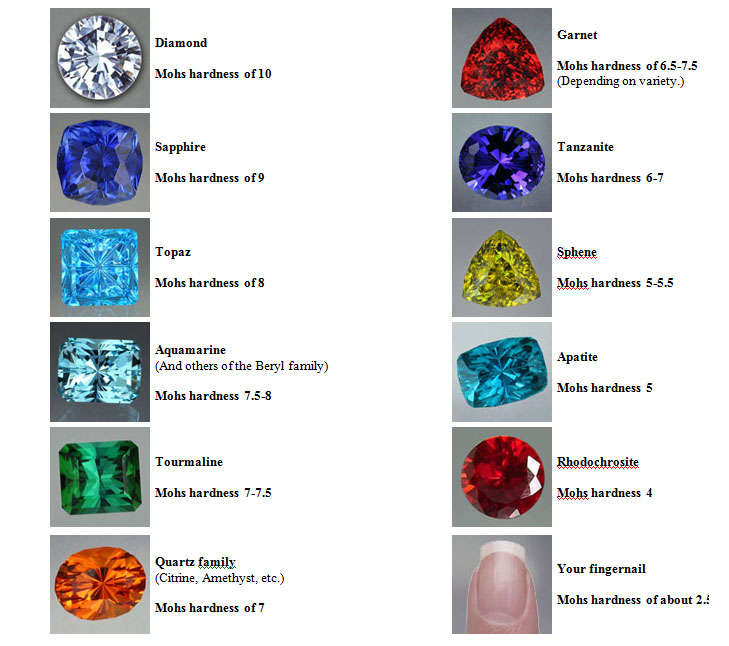
Mohs scale of gemstones hardness All about diamonds,, Fashion

Printable Mohs Hardness Scale

Gemstone Hardness Mohs Scale with Images and Charts Gemstones, Mohs

The Mohs Scale Education
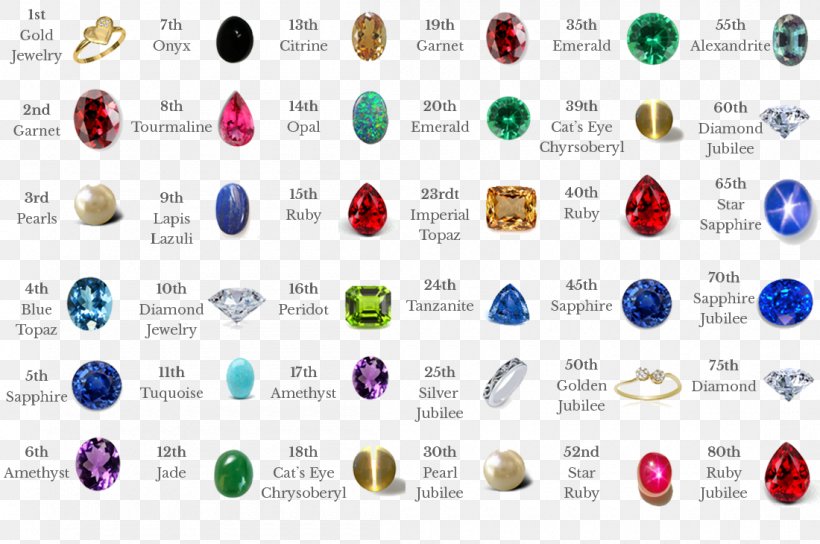
Gemstone Hardness Chart Pdf

The Mohs Hardness Scale J. Brooks

Learn About Gemstones Hardness scale Color thegoldsmith

What is Mohs Hardness Scale and Why is it Significant in Jewelry

Mohs Hardness Scale for Gemstones
When Looking At Gems, It’s Easy To See The Color And Shape, But With A Better Look One Can Also See Clarity And Strength.
The Mohs Hardness Scale Measures A Mineral's Resistance To Being Scraped By Ten Different Reference Minerals.
Web Dive Into Our Comprehensive Guide!
Web Each Mineral Or Gemstone Has A Known Hardness Of Mohs (Or Range Of Hardness Values).
Related Post: