
Color Teeth Chart
Color Teeth Chart - It also helps to create a more natural look. Web individuals can choose the teeth whitening shade they want by using the tooth color chart to identify their tooth shade. Web whether you're getting veneers, crowns, or teeth whitening, selecting the perfect shade can make all the difference in achieving a natural and radiant smile. Web one of the more common shade guides divides tooth colour into four basic shade ranges: A b1 shade is considerably lighter than a3 and is typically considered the lightest naturally occurring shade. Dentists evaluate shades from lightest to darkest when matching tooth color for teeth whitening, and they may change the order for the purpose of dental restorations. There are varying levels of lightness and. The most common shade guide is the vita classical shade guide, which has 16 shades ranging from a1 (the lightest shade) to d4 (the darkest shade). Web precision in color matching. Web the teeth color chart is the layman's term for the vita classical shade guide which your dentist uses to pick out your tooth color. Web 8 min read. Web teeth color chart serves as a visual reference for the varying shades of natural teeth. Web whether you're getting veneers, crowns, or teeth whitening, selecting the perfect shade can make all the difference in achieving a natural and radiant smile. Web one of the more common shade guides divides tooth color into four basic shade ranges: This is your reference point, and you can go further to the left of the chart to determine how much you want your teeth to. Web precision in color matching. The color chart ensures a flawless finish. Web one of the more common shade guides divides tooth color into four basic shade ranges: Web the natural color of your dentin, the layer of tiny tubules that lies beneath your enamel and connects to the dental nerve in each tooth, is yellow. Web the dental implant color chart is the same teeth color chart that is used for crowns, veneers, and teeth whitening. Shade c, a gray color. In this guide, we'll delve into the art and science of picking the ideal tooth color. Web to use the chart provided, simply match your current teeth color with one of the following shades. Web 8 min read. A2 is in the middle of the shade guide and is considered a natural tooth color. Dentists use a shade guide to determine the color of your teeth. This is important because this color guide is used for the color selection of your dental veneers, crowns, implants, dentures and tooth fillings. Web each patient receives a personalized application for their veneers using a color chart. • a (reddish brown) • b (reddish yellow) • c (gray). Web the typical shade for a tooth is a3, which is considered a normal color and is present in around 70% of the population. This is important because this color guide is used for the color selection of your dental veneers, crowns, implants, dentures and tooth fillings. Web precision in color matching. And you will be right. You need to. Web individuals can choose the teeth whitening shade they want by using the tooth color chart to identify their tooth shade. A b1 shade is considerably lighter than a3 and is typically considered the lightest naturally occurring shade. And you will be right. Web one of the more common shade guides divides tooth color into four basic shade ranges: Web. In this guide, we'll delve into the art and science of picking the ideal tooth color. Web within each range are different levels of darkness — which results in a chart detailed enough for almost everyone to find their exact tooth color on the guide. It also helps to create a more natural look. The most popular one is the. Various shade guides exist for dental offices, but a common guide has four basic shade. To use such a guide, simply match your current tooth color to the corresponding color on the chart. Web by hubris acacius, phd. Web one of the more common shade guides divides tooth color into four basic shade ranges: The most popular one is the. Web a frequently used reference tool, a shade guide shows teeth in basic shades ranging from the lightest to darkest natural colors. Let’s delve deeper into this informative guide and look at different natural tooth color charts. In this guide, we'll delve into the art and science of picking the ideal tooth color. This is important because this color guide. To use such a guide, simply match your current tooth color to the corresponding color on the chart. A b1 shade is considerably lighter than a3 and is typically considered the lightest naturally occurring shade. Web each patient receives a personalized application for their veneers using a color chart. Being able to choose the right denture color may provide you. Web to use the chart provided, simply match your current teeth color with one of the following shades. It also helps to create a more natural look. The most common shade guide is the vita classical shade guide, which has 16 shades ranging from a1 (the lightest shade) to d4 (the darkest shade). What is a natural tooth shade? A. Web tooth color can typically be divided into four different shade ranges : The most common shade guide is the vita classical shade guide, which has 16 shades ranging from a1 (the lightest shade) to d4 (the darkest shade). Various shade guides exist for dental offices, but a common guide has four basic shade. Web whether you're getting veneers, crowns,. This precision is crucial, especially when recommending treatments or cosmetic adjustments. A b1 shade is considerably lighter than a3 and is typically considered the lightest naturally occurring shade. And you will be right. This is your reference point, and you can go further to the left of the chart to determine how much you want your teeth to. The color chart ensures a flawless finish. • a (reddish brown) • b (reddish yellow) • c (gray) • d (reddish gray) within each range are different levels of darkness — which results in a chart detailed enough for almost everyone to find their exact tooth color on the guide. Web to use the chart provided, simply match your current teeth color with one of the following shades. When selecting the right color for your denture, you must be precise and practical. Web a frequently used reference tool, a shade guide shows teeth in basic shades ranging from the lightest to darkest natural colors. It also helps to create a more natural look. Web 8 min read. You need to understand that there are a few factors that you should take into consideration instead of solely depending on the shade you want. Let’s delve deeper into this informative guide and look at different natural tooth color charts. Web the dental implant color chart is the same teeth color chart that is used for crowns, veneers, and teeth whitening. The most common shade guide is the vita classical shade guide, which has 16 shades ranging from a1 (the lightest shade) to d4 (the darkest shade). Because enamel is essentially translucent, the color of your dentin is slightly revealed and gives your teeth a.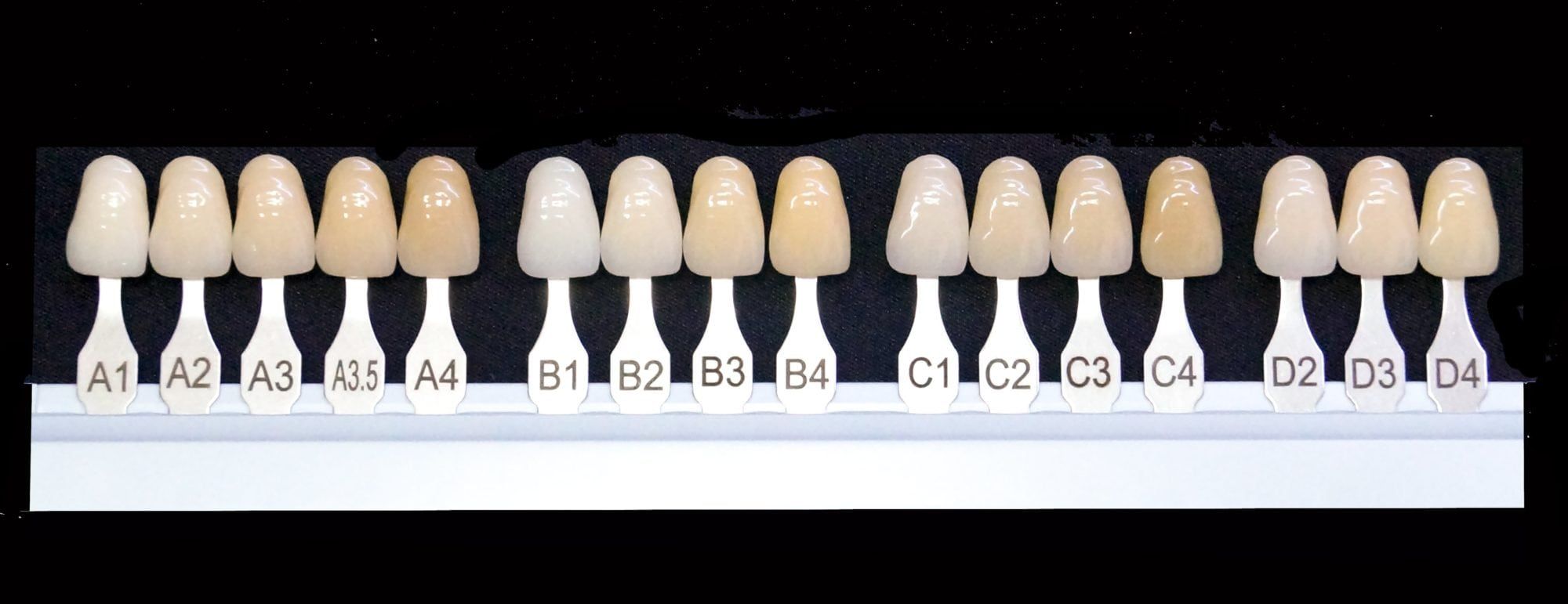
teeth color chart a1 Jada Headrick
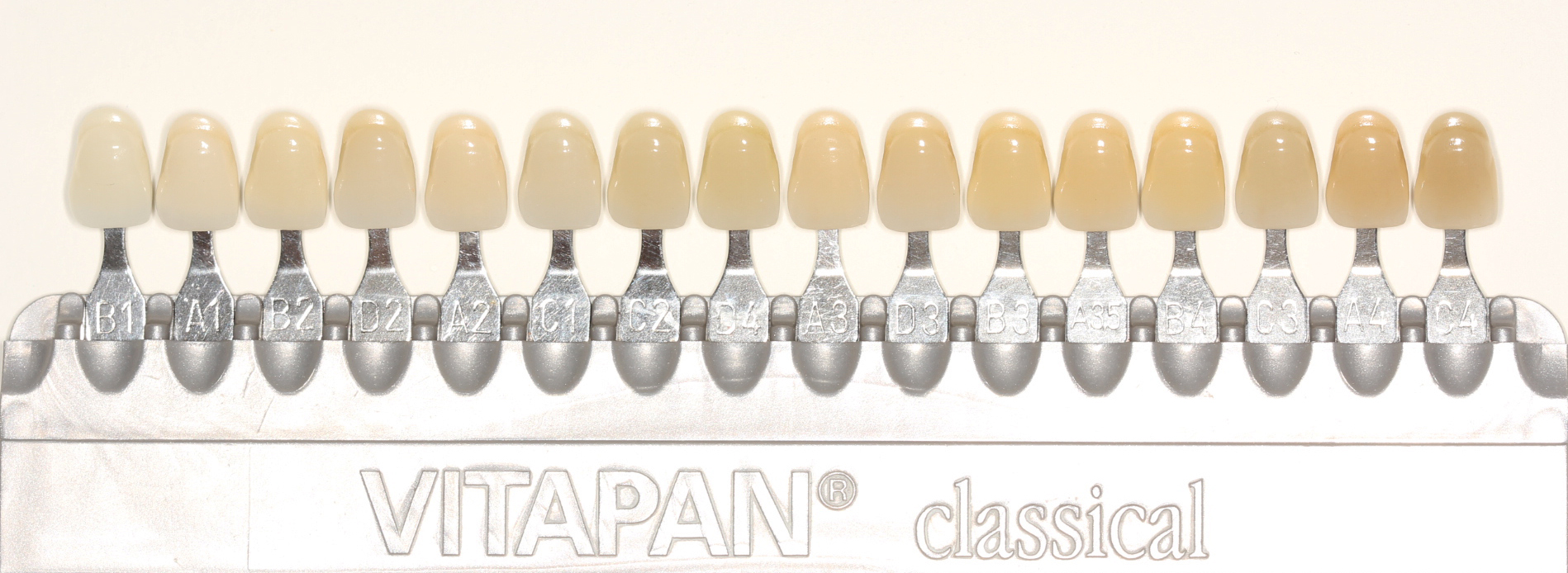
Dental Tooth Shade Chart Printable

denture teeth color chart Marilu Elam
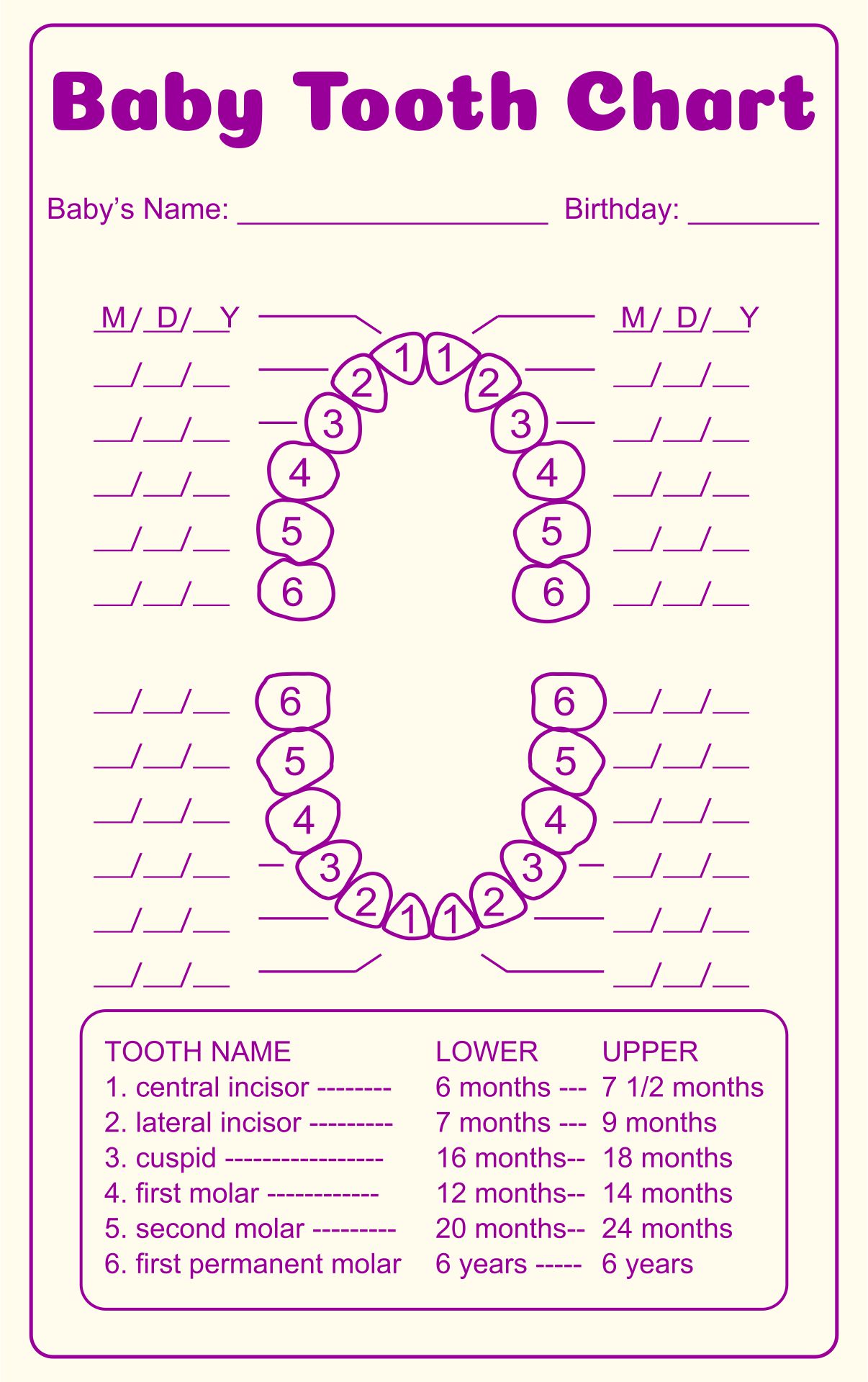
Tooth Color Chart Printable

teeth whitening shade guide, dental colour chart. flat illustration
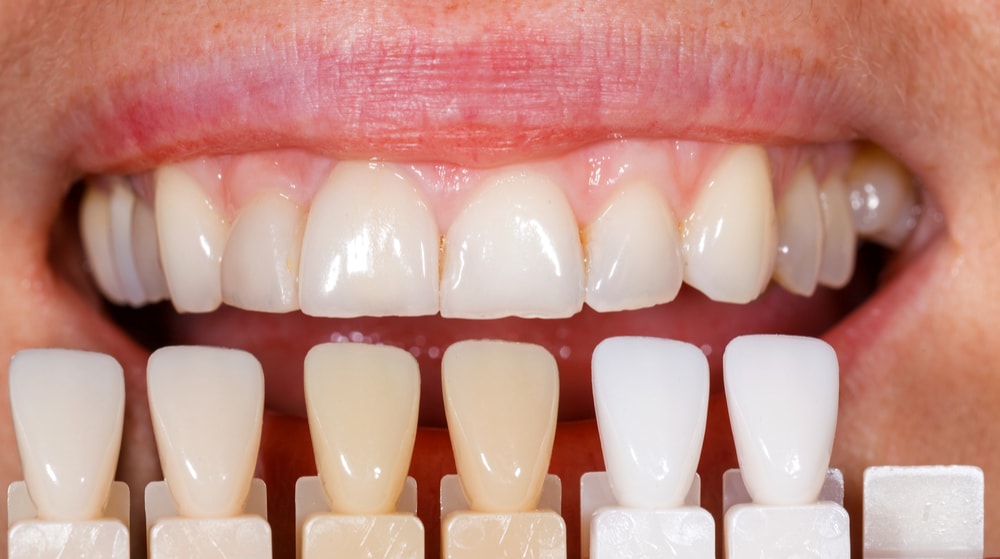
Teeth whitening results the definitive guide for 2022

printable teeth color chart Delana Dorsey
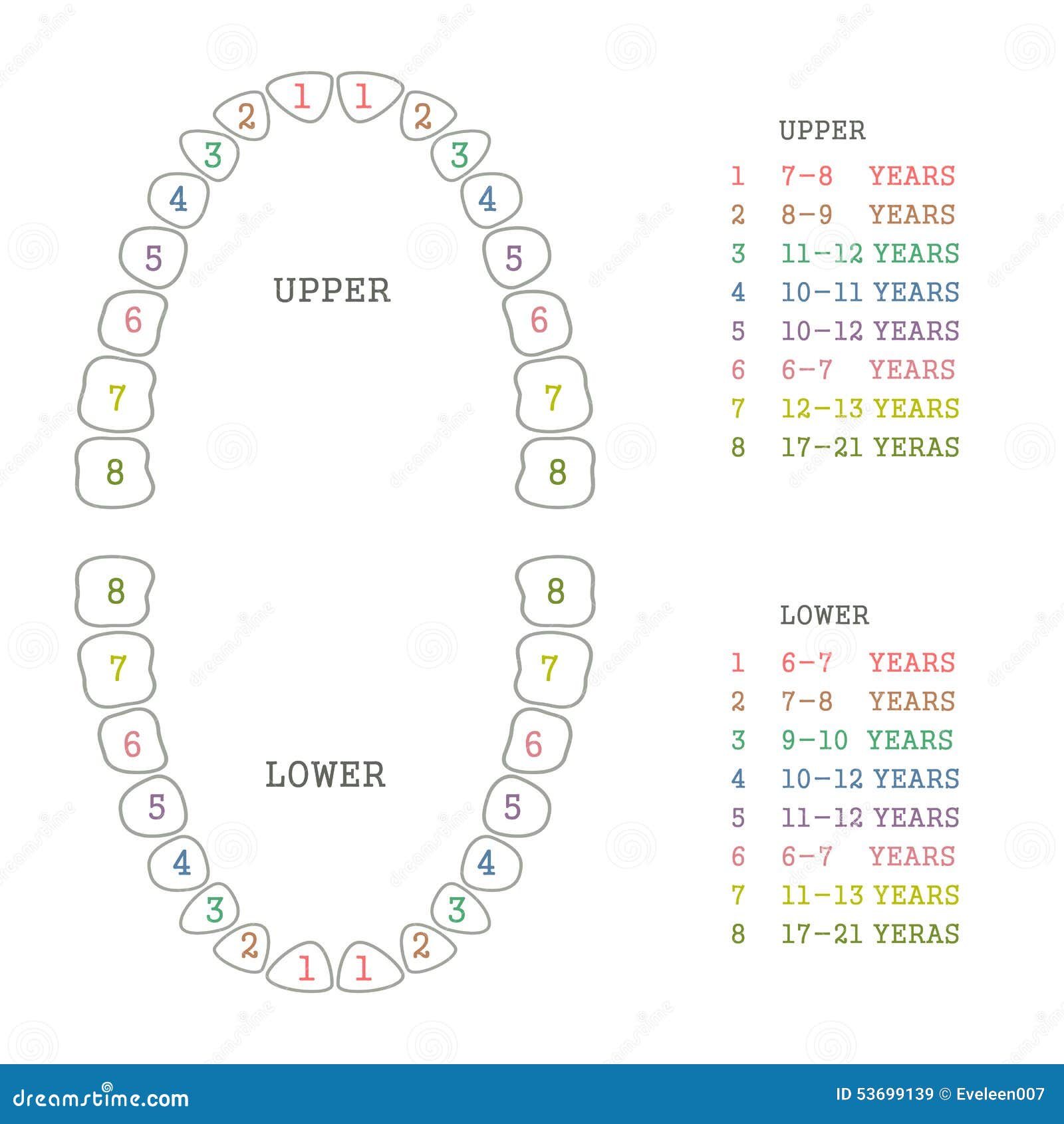
Human Tooth Chart Stock Vector Illustration Of Teeth
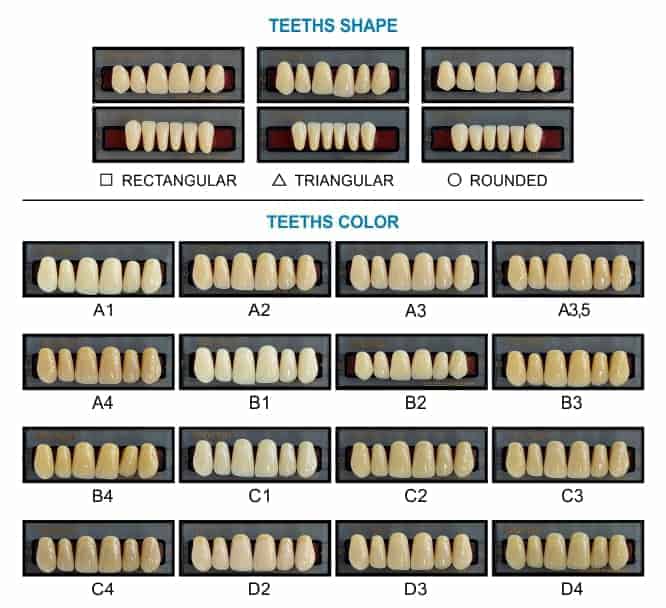
Printable Tooth Color Chart
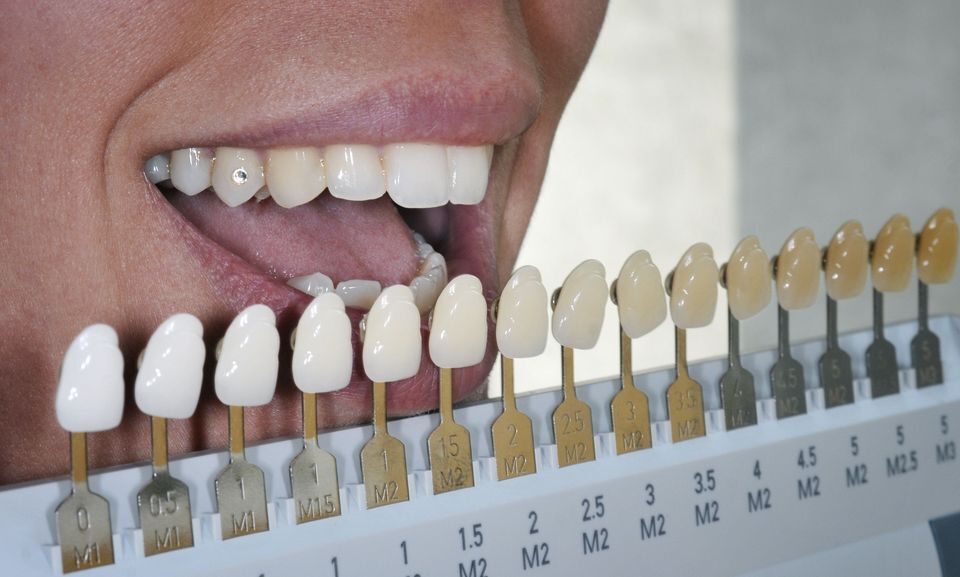
Teeth Whitening Nashville, TN Clint Newman, DDS
It Is A Step Darker Than Pure White.
Shade A, A Reddish Brown.
A (Reddish Brown) B (Reddish Yellow) C (Gray) D (Reddish Gray) Within Each Range Are Different Levels Of Darkness — Which Results In A Chart Detailed Enough For Almost Everyone To Find Their Exact Tooth Color On The Guide.
Being Able To Choose The Right Denture Color May Provide You With Some Inner Peace.
Related Post: