
Anchor Charts For Nonfiction Text Features
Anchor Charts For Nonfiction Text Features - Text features are parts of a text that aren’t in the main story or body of text. This text feature anchor chart simply explains the purpose of nonfiction text features, and then lists examples of text features. For fiction texts, this includes: This printable pack was created for you to use at home with your child/students or with multiple children in your classroom or tutoring setting. Web nonfiction text features poster reading anchor chart | tpt. I created this video to help introduce and explain the purpose of each text feature. Rated 5.00 out of 5 based on 1 customer rating. Use real examples from nonfiction books to illustrate each feature. Web teaching with a mountain view/anchor chart via teachingwithamountainview.com. As you read different nonfiction books and articles, have students find text features and add to. Web nonfiction anchor charts serve as valuable tools when teaching students to successfully navigate, analyze, and engage with informational texts. This text feature anchor chart simply explains the purpose of nonfiction text features, and then lists examples of text features. Web consider creating an anchor chart with common text features such as headings, captions, bold print, and labels. Use real examples from nonfiction books to illustrate each feature. Text features are extra visuals and print that authors include in books and other texts to help the reader understand the information better. Tells the names of chapters and what page the chapters can be found. Incorporate these 18 ideas into your lesson plans to promote increased nonfiction comprehension and critical thinking skills among your students. Examples of visual text features. For fiction texts, this includes: Web list of nonfiction text features. Text features are extra visuals and print that authors include in books and other texts to help the reader understand the information better. Web reading nonfiction posters, nonfiction text features, summarizing anchor charts. These passages are designed for 2nd, 3rd, and 4th grade. Tells what pages the reader can find certain topics. Examples of visual text features. Tells the definitions of some of the words found in a text. Incorporate these 18 ideas into your lesson plans to promote increased nonfiction comprehension and critical thinking skills among your students. Web when it comes to teaching nonfiction reading and writing, anchor charts are a valuable tool to solidify the what, when, why and how in learners’ minds. Download. Examples of visual text features. Web list of nonfiction text features. 5 ways to practice nonfiction text features: Tells the definitions of some of the words found in a text. Tells what pages the reader can find certain topics. Hop over to this reading mama to see more recommendations on teaching and using it with readers. Web nonfiction text features chart. English language arts, balanced literacy, reading. When students understand how to read text features they are reading the whole page — essential for deep comprehension of nonfiction and fiction text. Setting, characters, theme, inciting incident, problem, conflict, narrative. Web textbooks and other nonfiction informational texts are important tools for elementary teachers, but the first few times students encounter them can be daunting. Authors use structural elements to organize information and ideas, and to highlight important parts of the text. Text features are extra visuals and print that authors include in books and other texts to help the reader. Say goodbye to struggling readers: This text feature anchor chart simply explains the purpose of nonfiction text features, and then lists examples of text features. Authors use structural elements to organize information and ideas, and to highlight important parts of the text. ( 1 customer review) earn 5.00 reward points. Web all the information included on the anchor charts will. As you read different nonfiction books and articles, have students find text features and add to. Text features are parts of a text that aren’t in the main story or body of text. More on teaching text features. Web nonfiction text features anchor chart by first in line. Setting, characters, theme, inciting incident, problem, conflict, narrative position. 5 ways to practice nonfiction text features: Authors use structural elements to organize information and ideas, and to highlight important parts of the text. Tells the definitions of some of the words found in a text. As you read different nonfiction books and articles, have students find text features and add to. They’re most common in nonfiction, and help readers. This printable pack was created for you to use at home with your child/students or with multiple children in your classroom or tutoring setting. Authors use structural elements to organize information and ideas, and to highlight important parts of the text. Teach students the features of nonfiction texts with this easy to prep resource that is filled with text feature. Authors use structural elements to organize information and ideas, and to highlight important parts of the text. Setting, characters, theme, inciting incident, problem, conflict, narrative position. The package highlights key text features typically found in nonfiction works and comes with 12 anchor charts. Download the free packet so that you can recreate this anchor chart for your own students. 4.8. Use real examples from nonfiction books to illustrate each feature. This nonfiction text features anchor chart is a great way to teach students about what characterizes different types of nonfiction texts. Web when it comes to teaching nonfiction reading and writing, anchor charts are a valuable tool to solidify the what, when, why and how in learners’ minds. I created this video to help introduce and explain the purpose of each text feature. Web creating a nonfiction text features anchor chart not only helps students navigate nonfiction texts (or informational texts) effectively but also empowers them to find and understand information quickly. English language arts, balanced literacy, reading. Web list of nonfiction text features. This printable pack was created for you to use at home with your child/students or with multiple children in your classroom or tutoring setting. Basic steps in teaching about text features. Text features are extra visuals and print that authors include in books and other texts to help the reader understand the information better. They’re most common in nonfiction, and help readers find information quickly and get more out of the text they’re reading. This text feature anchor chart simply explains the purpose of nonfiction text features, and then lists examples of text features. Web nonfiction text features poster reading anchor chart | tpt. Web nonfiction text features chart. As you read different nonfiction books and articles, have students find text features and add to. In this resource, you’ll get 20 anchor charts to help you teach your students all about text features.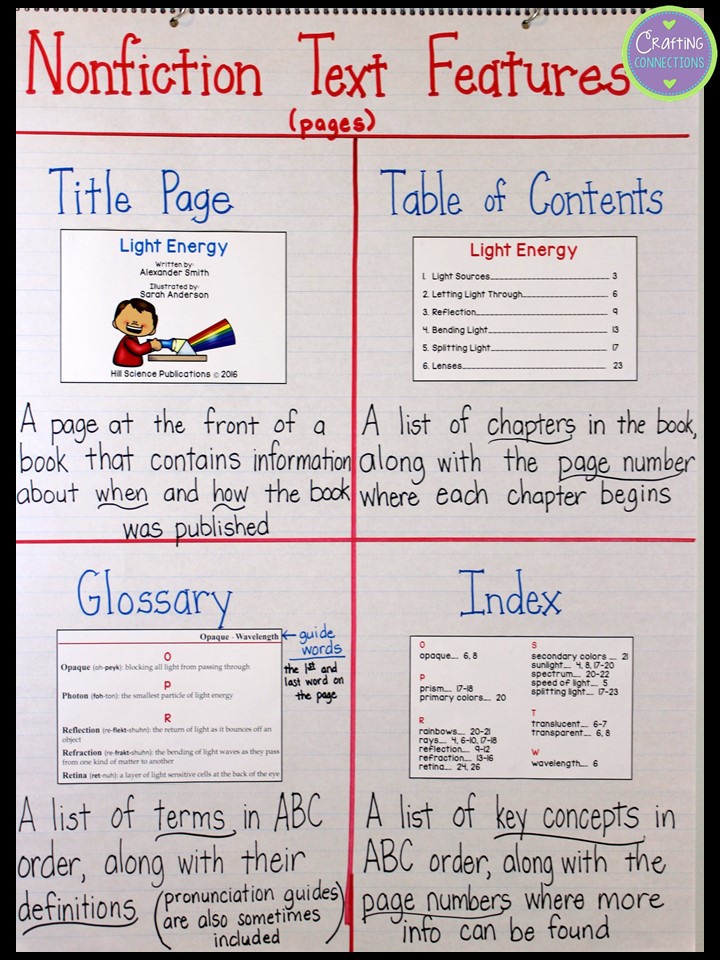
Nonfiction Text Features Anchor Chart (including a freebie!) Crafting

My nonfiction features anchor chart. Nonfiction Text Features
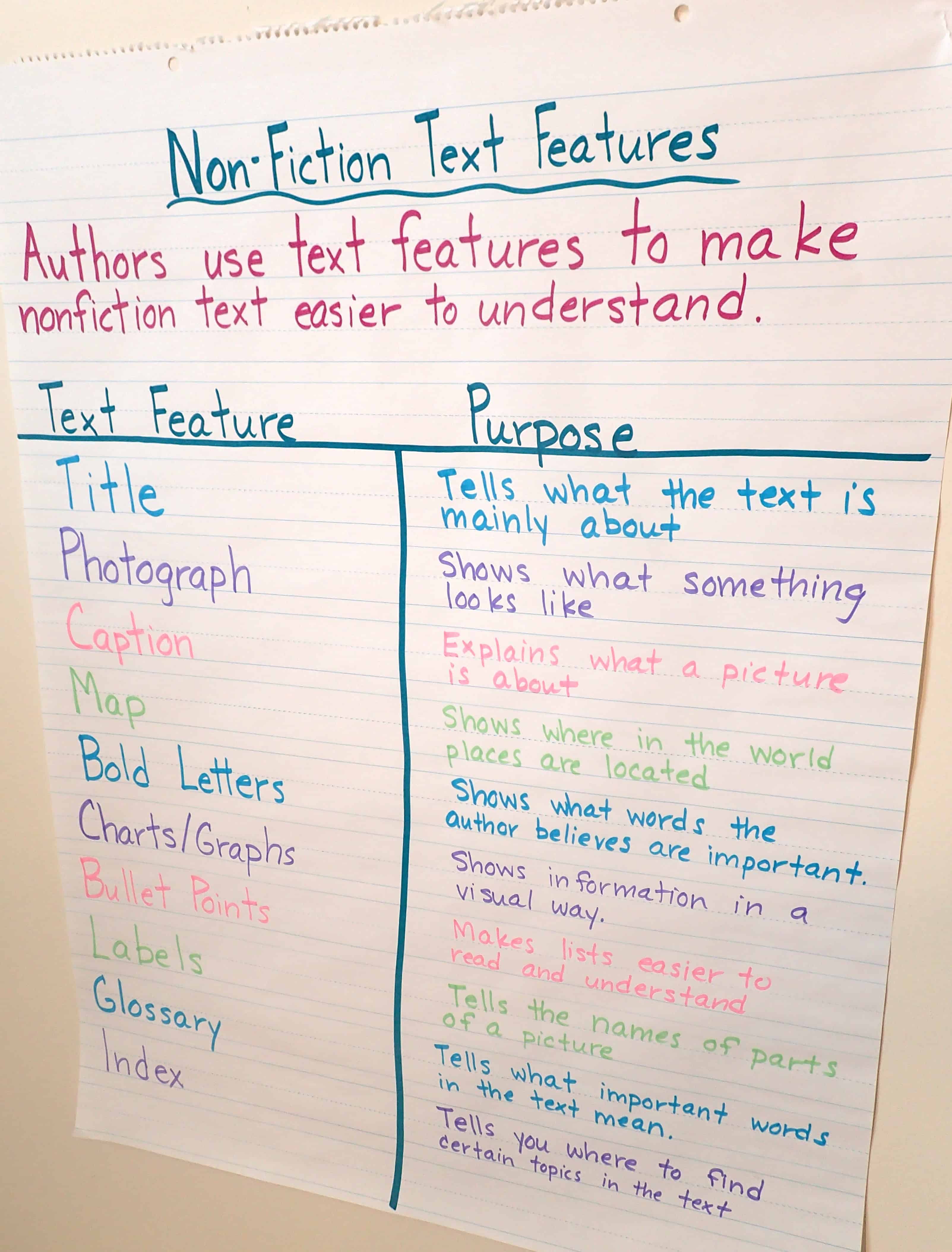
Text Feature Anchor Charts Teaching Made Practical

5 Ways to Practice Nonfiction Text Features Raise the Bar Reading

Nonfiction Text Features Anchor Chart Text feature anchor chart

Nonfiction Features Anchor Chart
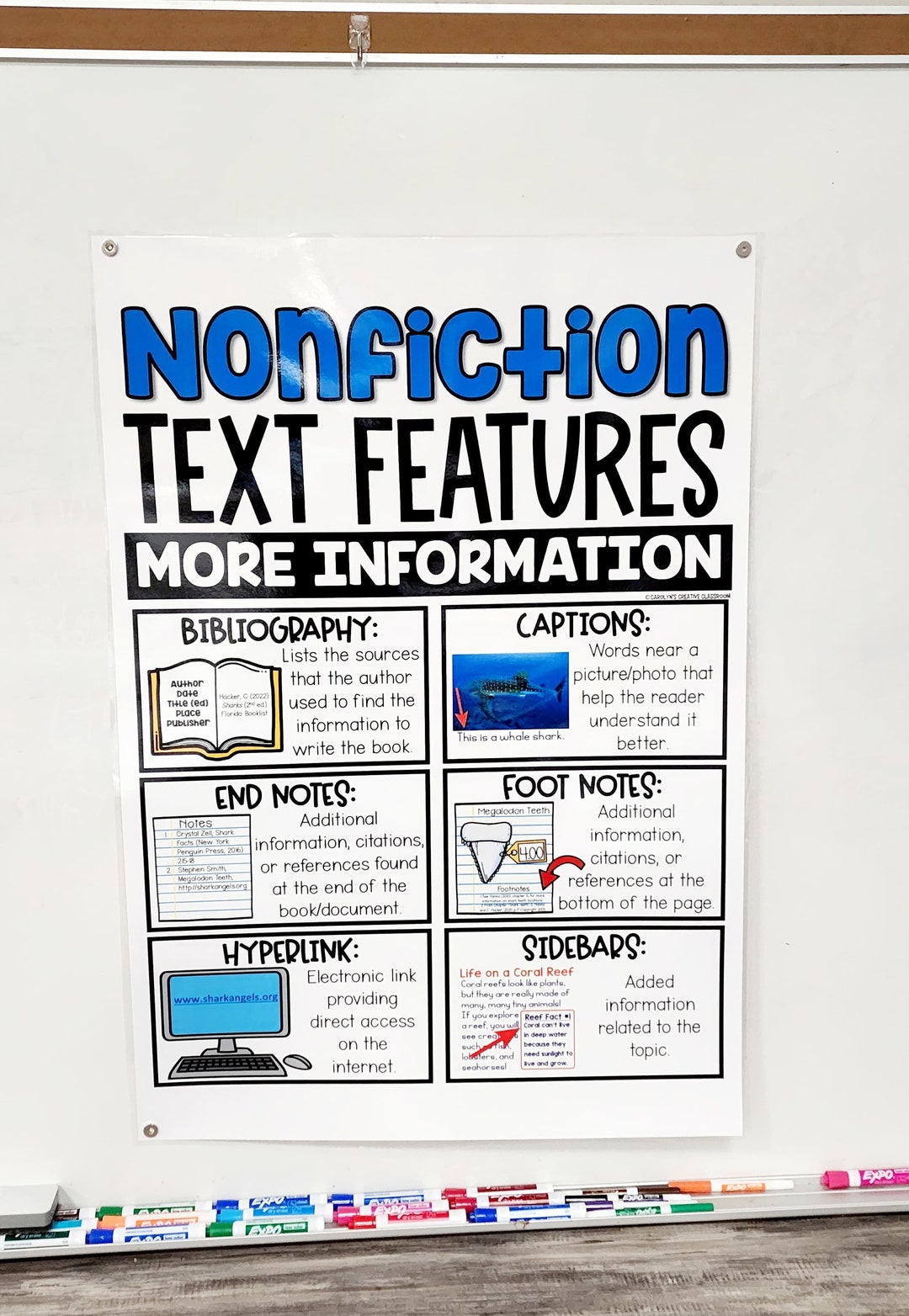
Nonfiction Text Features Anchor Chart hard Good Option 2 Etsy

Anchor Chart for nonfiction text features Nonfiction Text Features

Nonfiction Text Features Anchor Chart 2nd Grade Dorothy Jame's

Nonfiction Text Feature Anchor Chart
Tells The Names Of Chapters And What Page The Chapters Can Be Found.
4.8 (256 Ratings) View Preview.
Web A Good Text Features Anchor Chart Must Include All The Elements That We Can Identify In A Text.
Setting, Characters, Theme, Inciting Incident, Problem, Conflict, Narrative Position.
Related Post: