
Aggregate Size Chart
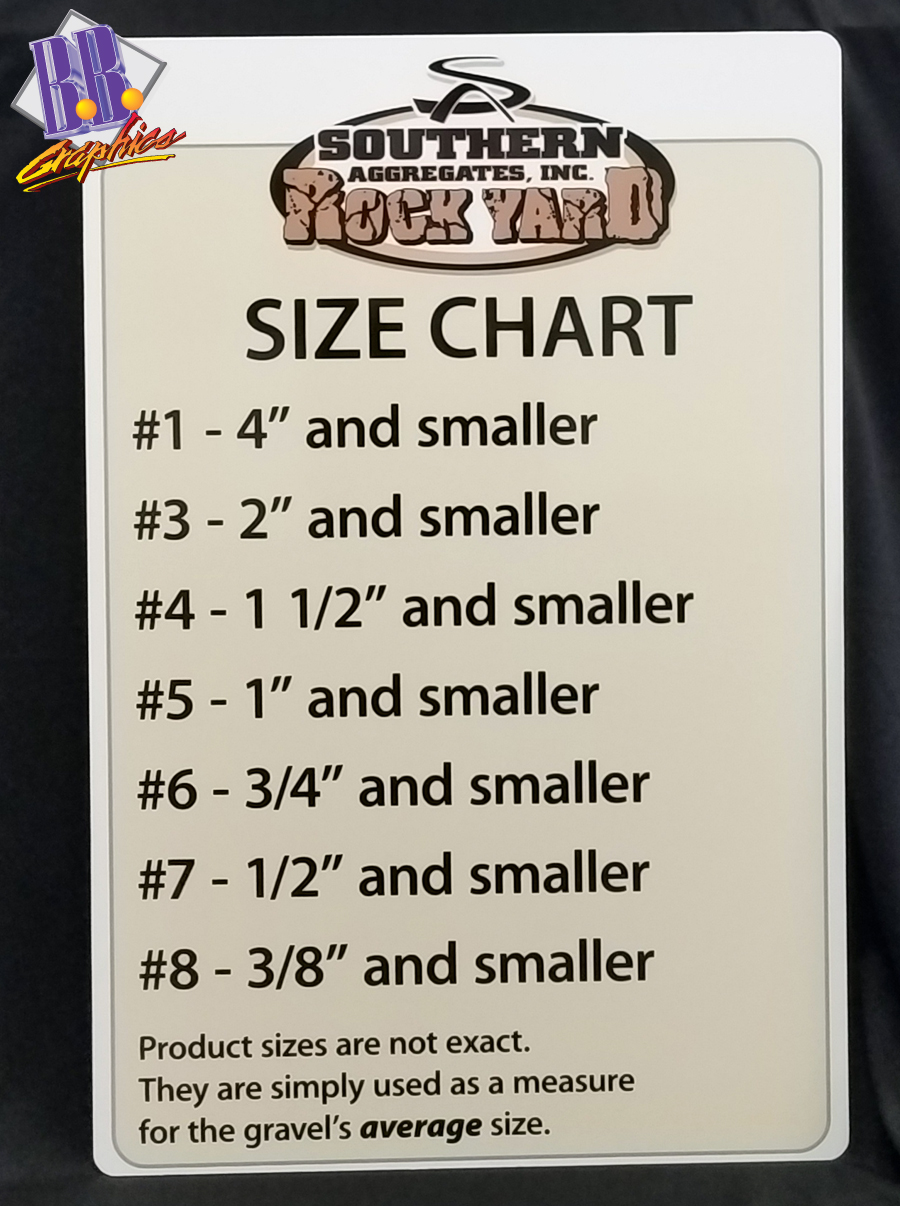
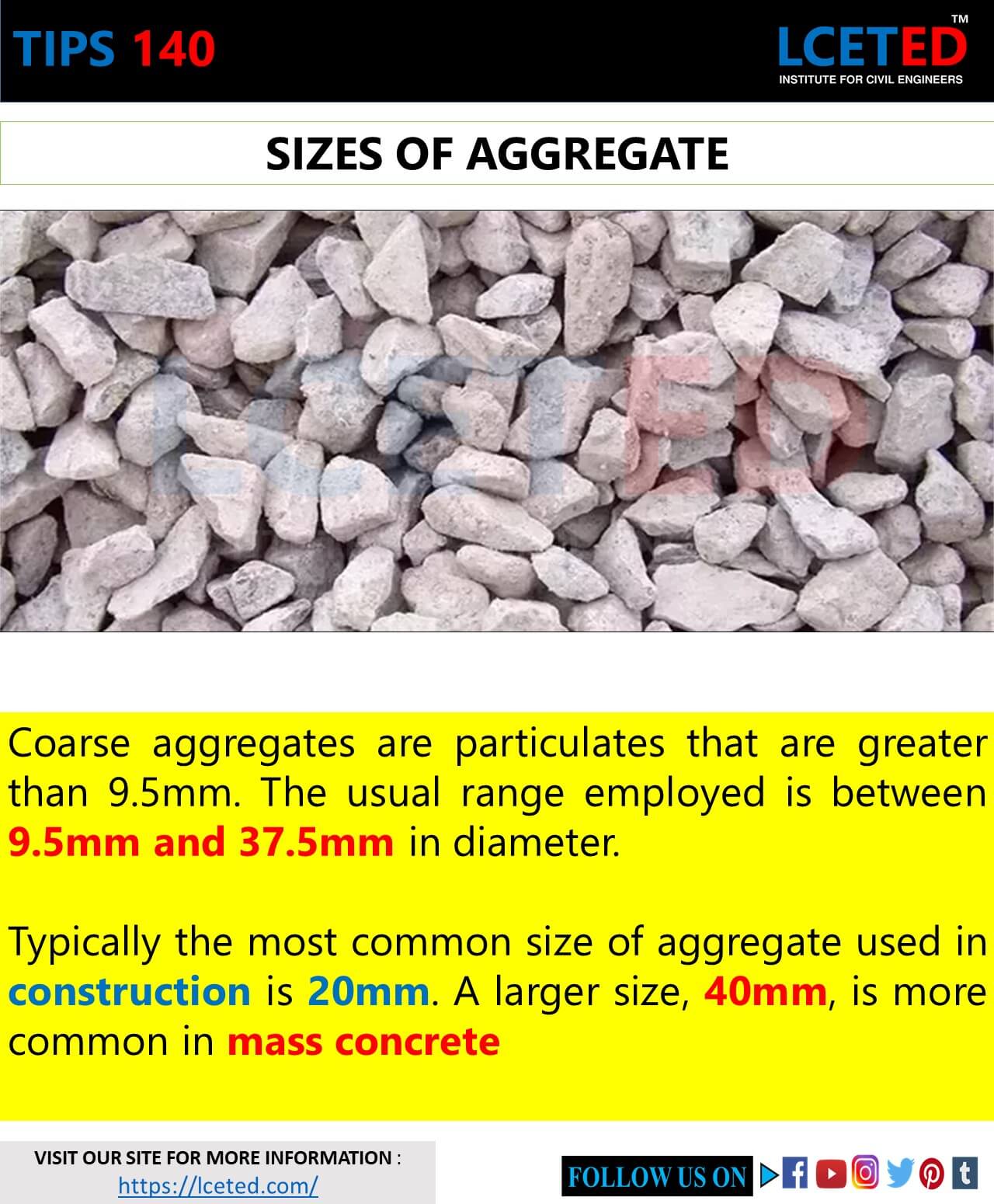
Aggregate Size Chart - Web for example, a ca11 or ca7 (generally ¾”) gradation may include individual stone sizes of 1” down to ½”. The below nominal maximum size of. Aashto #10 is a grade of crushed stone dust valued for its cleanliness and resistance to compaction. Web crushed stone comes in a variety of different grades. Web understand the different sizes and grades of crushed stone and gravel with our detailed chart. For example, coarse aggregate has specific grading requirements for each different size from #1 to #8. Here is the 304 aggregate base chart. Web in this guide, we’ll discuss the differences between gravel and crushed stone, identify the types of gravel and provide a convenient size chart. Web the charts show the smallest and largest material size for a product. When you need crushed stone, it’s handy to. In hma, gradation helps determine almost every important property including stiffness , stability, durability , permeability , workability , fatigue resistance. This can be filtered out by size to be used in various applications that we use every day, from the houses we live in, to the roads we drive on. The size distribution of aggregates is called grading of aggregates. Aggregates are available in nature in different sizes. 4), ranging down to 75µm (no. Each grade has a unique application. Web aggregate gradation is of 4 types as explained below: Old pa # = the old pennsylvania department of transportation reference to aggregate sizing. Description of aggregate in terms of lower (d) and upper (d) sieve sizes (see later text). Web gradation numbers 24, 25, 3, 4a, and 4 are main line ballast materials. A coarse aggregate of 20mm size is most commonly used for reinforced concrete, with a larger 40mm size for mass concrete. Select an aggregate chart for pennsylvania or new york products or choose the sand product chart to learn more. Web the particle size distribution, or gradation, of an aggregate is one of the most influential aggregate characteristics in determining. Web the distribution of aggregate sizes, often referred to as grading, can significantly impact the workability and performance of concrete. It is available in various colors and sizes, making it suitable for functional and decorative purposes. Each grade has a unique application. For example, coarse aggregate has specific grading requirements for each different size from #1 to #8. Web understand. Web the particle size distribution, or gradation, of an aggregate is one of the most influential aggregate characteristics in determining how it will perform as a pavement material. Web gradation numbers 24, 25, 3, 4a, and 4 are main line ballast materials. Web there are seven standard sieves for fine aggregates ranging from no. 100 to 3/8” and 13 standard. Description of aggregate in terms of lower (d) and upper (d) sieve sizes (see later text). The table below includes fine and coarse aggregate sieve sizes. 4), ranging down to 75µm (no. Web aggregate is made by harvesting large rocks and then crushing them using mechanical crushers which can produce various crushed stone grades of different sizes. Concrete plants keep. In other words, such a sample has a wide range of particle sizes present in the mix. Here is the 304 aggregate base chart. Old pa # = the old pennsylvania department of transportation reference to aggregate sizing. Aashto #10 is a grade of crushed stone dust valued for its cleanliness and resistance to compaction. Web aashto has created standards. We’ll identify the types and grades of crushed stone and the differences between washed and unwashed gravel. Web crushed stone comes in a variety of different grades. Coarse and fine aggregates are generally sieved separately. Aggregates are available in nature in different sizes. Web aashto has created standards for guiding different aggregate specifications, including sizes and gradation requirements, in concrete. Aggregates are available in nature in different sizes. Gradation numbers 5 and 57 are yard ballast materials. Crushed stone is characterized by its angular faces and jagged edges with most aggregate being made from limestone and dolomite. Web aggregate specifications have an allowable range of different stone sizes, expressed as a percentage of the total weight of sample. The table. Gradation numbers 5 and 57 are yard ballast materials. Concrete plants keep large quantities of different parts of crushed stone on hand to make their concrete batches. Crushed stone is characterized by its angular faces and jagged edges with most aggregate being made from limestone and dolomite. Designation given to the smaller aggregate sizes with d less than or equal. The information below provides a general overview to help you choose the right material for your project. This gradation specification is reported on a table or chart (see example ). The size distribution of aggregates is called grading of aggregates. The table below includes fine and coarse aggregate sieve sizes. Web there are seven standard sieves for fine aggregates ranging. The below nominal maximum size of. This can be filtered out by size to be used in various applications that we use every day, from the houses we live in, to the roads we drive on. 100 to 3/8” and 13 standard sieves for coarse aggregates ranging from no. Aggregates are available in nature in different sizes. The gradation uses. Web there are seven standard sieves for fine aggregates ranging from no. Description of aggregate in terms of lower (d) and upper (d) sieve sizes (see later text). Designation given to the smaller aggregate sizes with d less than or equal to 4 mm. The size distribution of aggregates is called grading of aggregates. Coarse and fine aggregates are generally sieved separately. 4), and fine sieve sizes are smaller than 4.75mm (no. Web aggregate specifications have an allowable range of different stone sizes, expressed as a percentage of the total weight of sample. Select an aggregate chart for pennsylvania or new york products or choose the sand product chart to learn more. In hma, gradation helps determine almost every important property including stiffness , stability, durability , permeability , workability , fatigue resistance. Each grade has a unique application. Gradation numbers 5 and 57 are yard ballast materials. Web typically, aggregate material is extracted from quarry sites using heavy machinery, and crushed to produce varying sizes. Designation given to the larger aggregate sizes with d greater or equal to 4 mm and d greater than or equal to 2 mm. Here is the 304 aggregate base chart. When you need crushed stone, it’s handy to. 100 to 3/8” and 13 standard sieves for coarse aggregates ranging from no.
Astm Standard for Particle Size Analysis

Crushed Stone Size Chart Pdf
![Aggregates for Concrete as per American Standards ASTM [PDF] The](https://theconstructor.org/wp-content/uploads/2020/04/Grading-Requirement-of-Coarse-Aggregate-1.jpg)
Aggregates for Concrete as per American Standards ASTM [PDF] The
Southern Aggregates Size Chart Sign BB Graphics & The Wrap Pros
Limestone Gravel Size Chart
Gravel Sizes With Pictures / In case you don't know, gravel is

Sizes Of Coarse Aggregates For Mass Concrete as Per IS383 Civil

Gradation Sieve Sizes

Aggregate Gravel Size Chart
CE Blog ACI METHOD OF CONCRETE MIX DESIGN
For Example, Coarse Aggregate Has Specific Grading Requirements For Each Different Size From #1 To #8.
Web Aggregate Gradation Is Of 4 Types As Explained Below:
Web Coarse Sieve Sizes Include Sieves With Openings Larger Than 4.75Mm (No.
Web Classification Of Aggregates Based On Size.
Related Post: